

Design Development | Interviews
Critical feedback is something that is really important. The problem is it hurts
Torsten Posselt, (FELD)
The common themes throughout the Design Development Interviews regarding critical feedback were necessity and the idea of personal pain, embarrassment and discomfort when dealing with negative responses or challenges. For instance, Torsten Posselt, (FELD) acknowledged, “Critical feedback is something that is really important. The problem is it hurts”. Similarly, Luke Veerman, (Eden Spiekermann) asserted that,
“No-one likes being told or being confronted about their weaknesses… but it is really important in making sure you stay on track and you actually also improve.
From experience during this module, critical feedback seems most threatening in contexts where it has been delayed and it challenges refined outcomes which have had a lot of time and effort invested in them. This highlights the necessity of regular feedback in order for ideas to be shaped by a range of perspectives, rather than long stretches of autonomous work which have to be unravelled and reworked in response to criticism. Matthew Jones, (Accept and Proceed) recognises this in his design principle ‘think as one’, encouraging the designer to work in partnership with clients, collaborating effectively throughout several stages of the design process, which avoids situations of project rejection:
“You’re going there with two or three ideas, they’ll knock two of them off and you’ll craft that one. Then you’ll craft that again and slowly but surely you’re just getting down to this nub which everyone’s agreed on. Feedback comes in little stages as opposed to anything too deep or rejecting anything. Or anything that you’d feel offended by, I suppose, because you are just working with them all the time, it’s just little stages, incremental as you go through, just getting it down to the
final piece”
Luke Veerman also highlighted the importance of scheduling critical feedback and the risk of being tempted to “just do the work” due to time limitations. He stated that “If there’s a lot of stuff coming at you… you can just continue that and not look sideways. … Be comfortable with showing work that’s not finished”. Coming from a Fine Art background which requires personal and emotional introspection to create subjective, ambiguous objects, this longer self directed project has demonstrated to me how critical feedback and cross disciplinary collaboration is an essential part of the design process and how multiple perspectives inevitably elevate conceptual outcomes by contributing to a deeply considered, methodical process.
A designer cannot operate in a vacuum.
Matthew Jones, Accept and Proceed
- country’s as one living eco system
- Elephant: quarterly editorial project
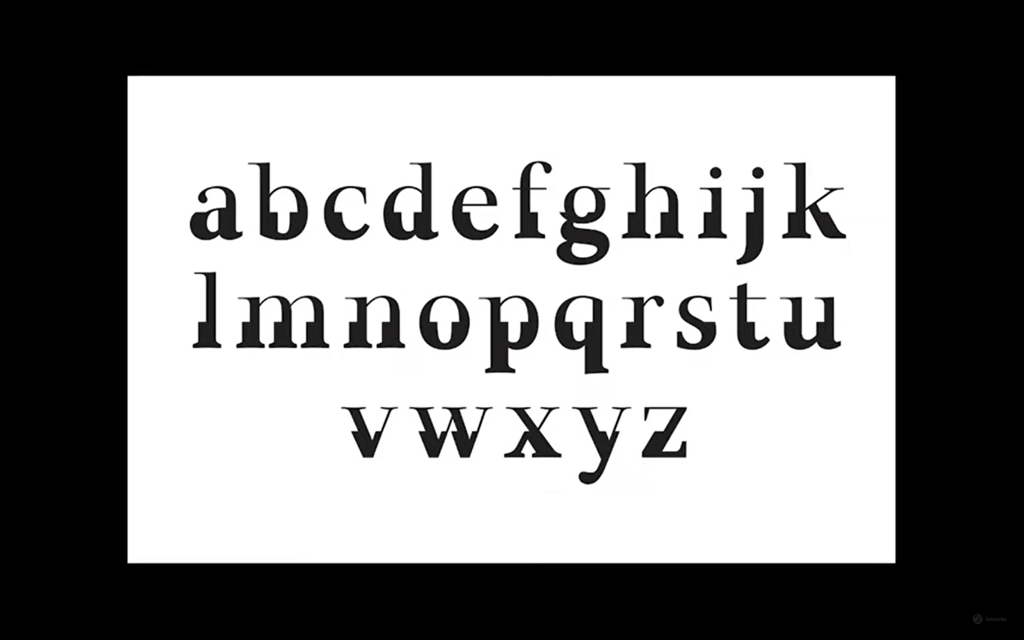
Merge two different typefaces as a metaphor for the spilt personality of Trieste but also as a broader metaphor of my multicultural background and my multifaceted approach to design coming from literaryeei and philosophy

TED (2013) How to enhance and expand a global brand. Available at:
Glug Events (2019) Made Thought.
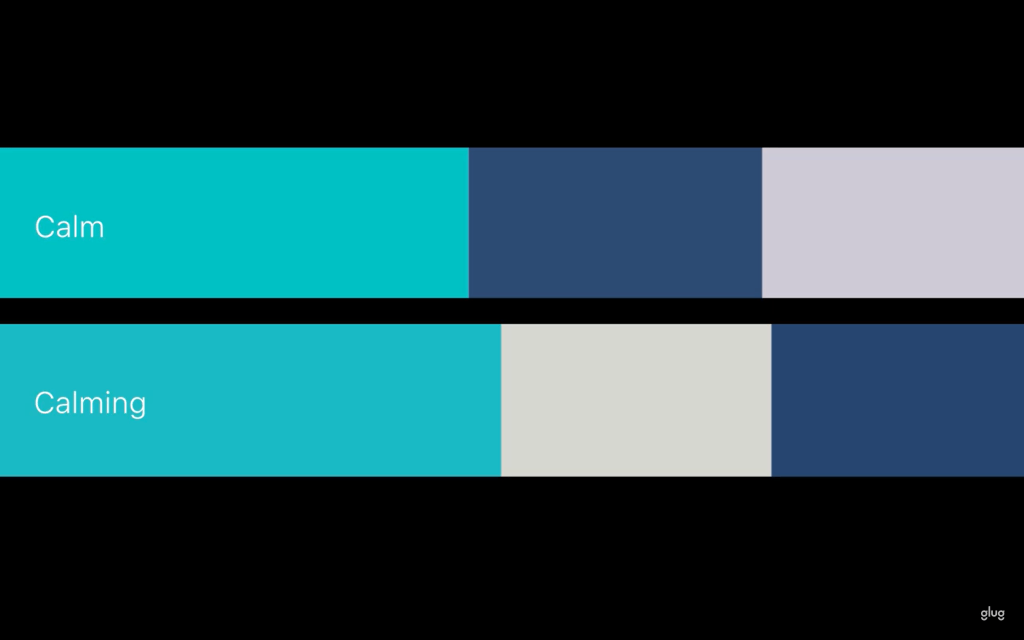
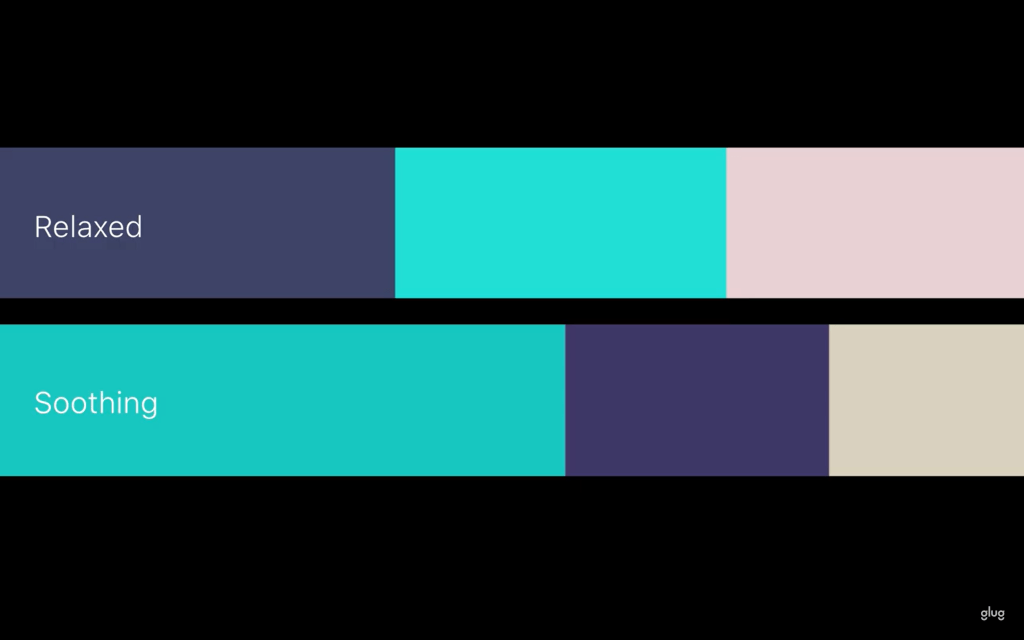
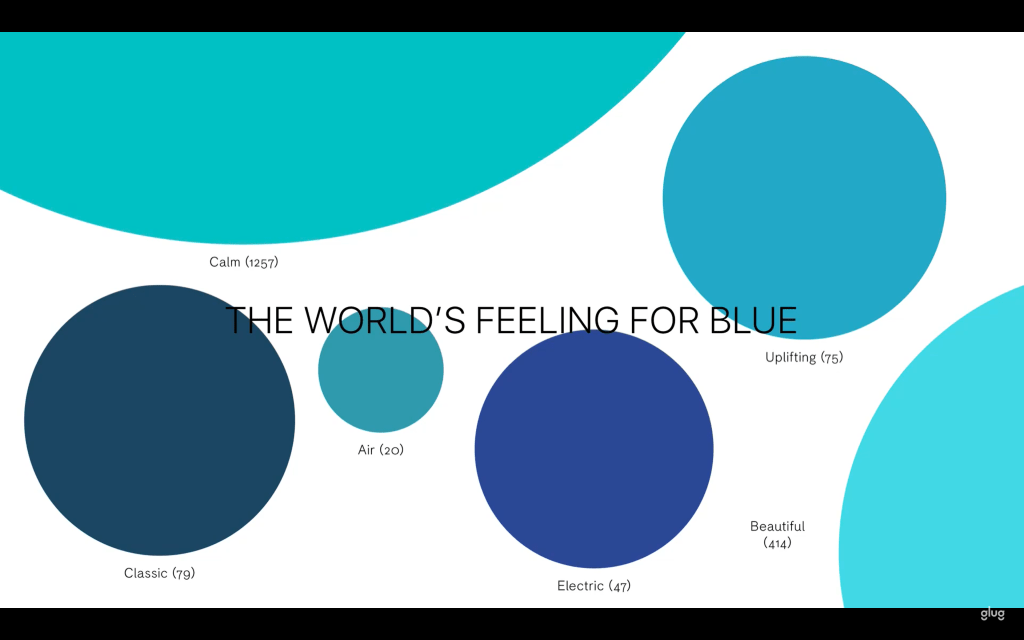
The project for GF Smith, interrogating the boundaries between art and science to determine the world’s favourite colour through a k-means cluster algorithm, inspired me to consider more proactive audience research and testing methodologies. Due to the time constraints of this project in particular, I did this by broadening my testing group to include audience, stakeholder and design peers, to get a wider range of perspectives as possible. Had I more time I would have liked to have conducted more formal, data-based testing processes, however for the sake of this project conversational one to one critique proved extremely helpful (see next page).
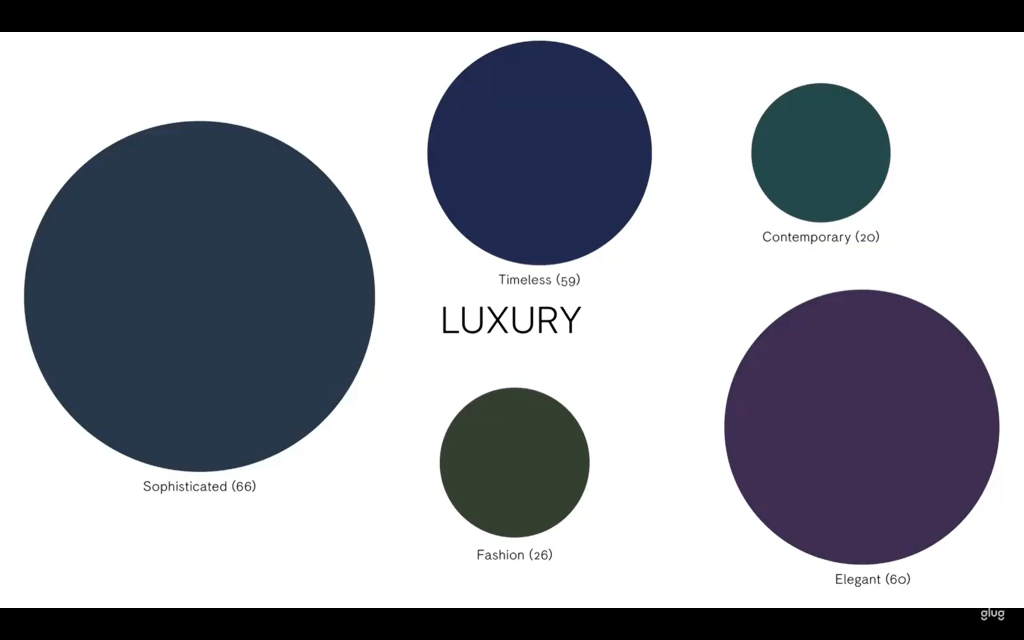
The results of the K- means algorithm was extremely informative to my project, as colour became a crucial branding tool to communicate aspirational human emotions of calm, balance and natural connectedness. This inspired me to experiment with colour, specifically cooler and darker earthy blues which were proven to evoke feelings of calm and timelessness.
The GF Smith project further highlighted how a project outcome is defined by the methodology and process, as “people make art in accidental ways”. This inspired me to be more open, responsive and embracing of the research leading the design, rather than being subconsciously prohibited by predetermined design directions.



Glug Events (2018) Dixon Baxi.
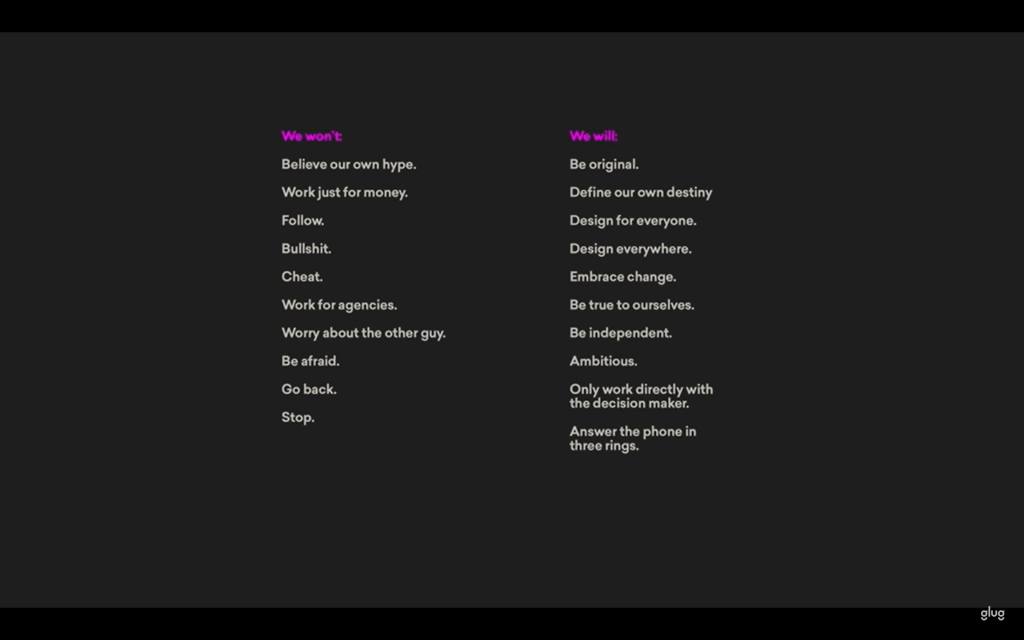
The creative ethos of Aporva Baxi and Simon Dixi at Dixon Baxi outlined in this talk inspired confidence within my practice during the concept development stage of week 11. After struggling with decision paralysis in weeks 1-4 of this module, week 10 and11 was a pivotal stage in the design process requiring me to reflect on the weaknesses of the previous project and apply what I had learnt regarding personal projects management.
Their recognition of the anxiety of ‘creative white space’, advocating ‘creating with optimism’ and that ‘fear is good’ encouraged me to push beyond personal and environmental obstacles which were causing self-doubt and empowered a sense of agency within this stage of the design process.
Dixon Baxi’s philosophical emphasis on democratising design and ‘designing for real people’ validated my decision to widen my target audience and scrap the context of formal state education which I initially thought would be an appropriate direction. This decision felt more authentic and in line with my original goal to make the wellbeing benefits of nature accessible to as many people as possible who could benefit, as the educational context presented restrictions which caused the process to become unfulfilling and feel futile when reflecting on my original brief. Their emphasis on being selective with potential clients and collaborators in order to maintain their practices authenticity and quality empowered me to respond positively to these limitations and embrace my new design direction.
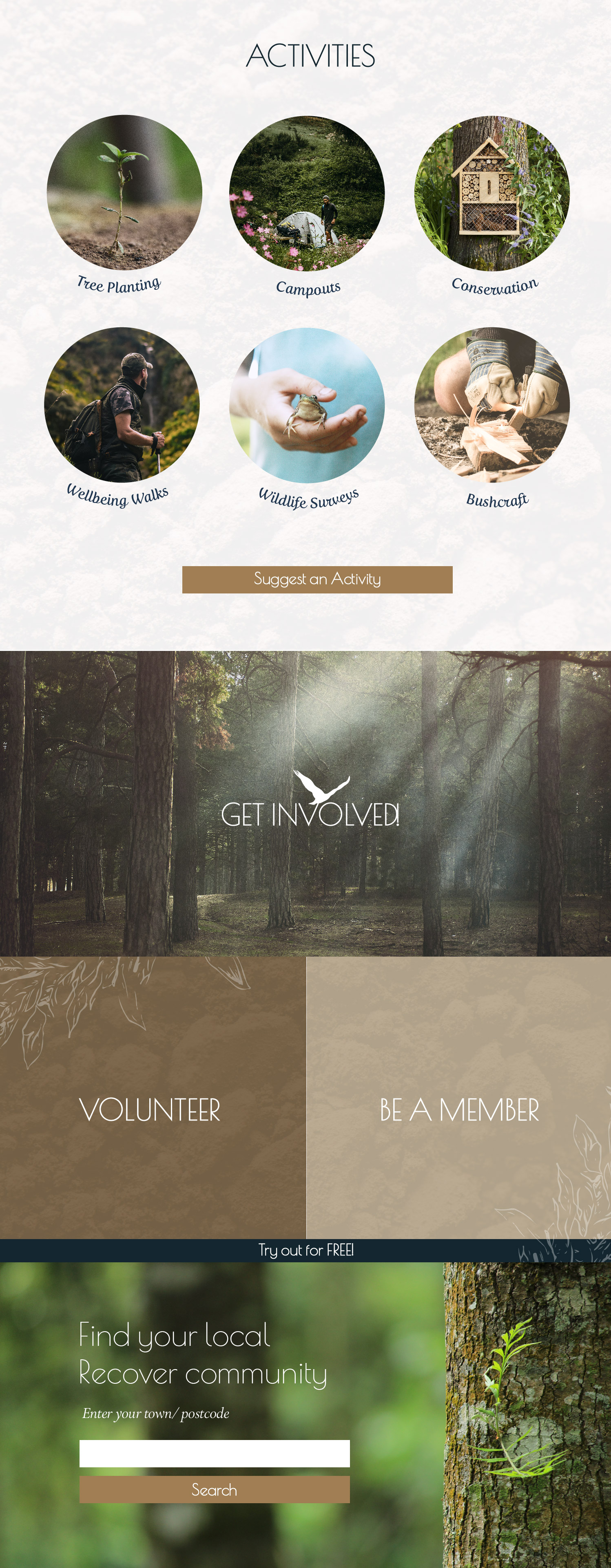
My new community initiative reflected Dixon Baxi’s creative principle of ‘changing things for the better through creativity’ as it gave me more scope to facilitate tangible change in community perspectives and levels of wellbeing.
NOTES
- creatively restless – no dead ends – constant reinvention – healthy
- Fear is good – creative white space – knot in your stomach
- creating with optimism
- collaborative – safe space
- client centred people approach – we look for people.. so we could work for Nike but what is the guy’s a dick”
- “Don’t be afraid to ask why”
- The DixonBaxi Way – 6 stage process. insights, strategy and executing
- set of methods – creative tools to liberate creativity. rapis prototyping – creative sprints – involve clients in process through pop up studios
- Make the audience the hero: immersion in real world audience research – changes how the company feels about the audience
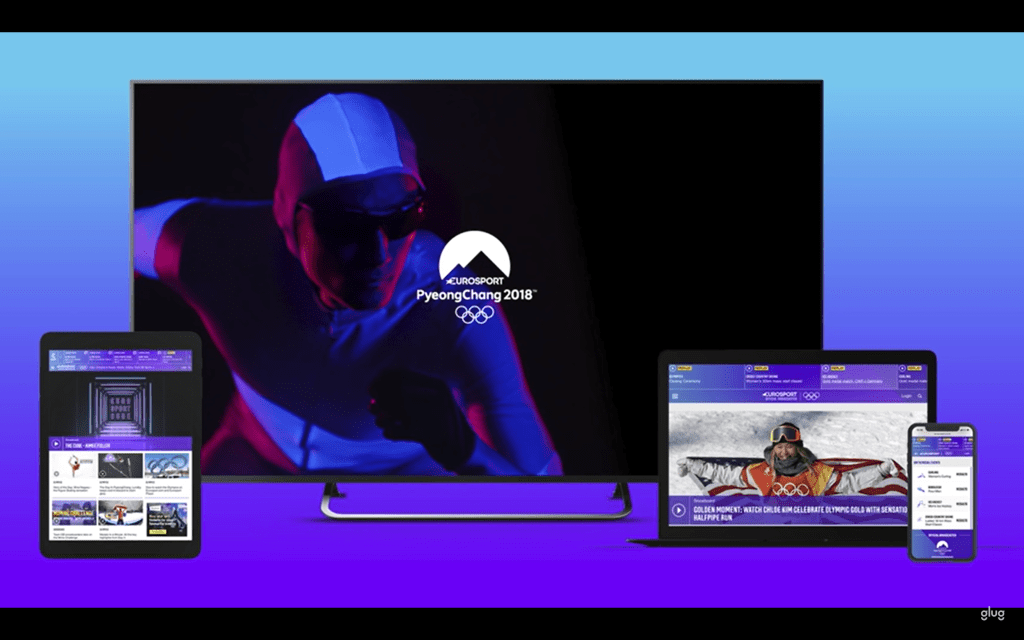
- Eurosport: The Task: Move Eurosport from a trusted brand to a loved brand. – change the culture, build a strategy, distil passion for people to believe in. ‘fuel your passion’ how to get under the skin of people who love the sport
- Story telling and narrative:
- Make every moment and experience
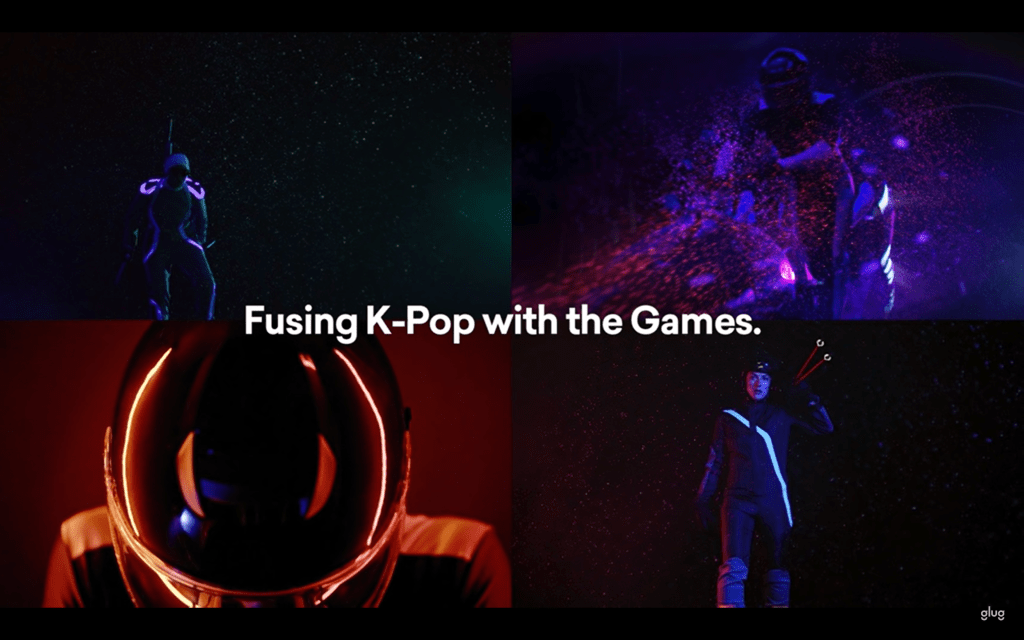
- Winter Olympics – challenging the traditional winter landscape aesthetic, inspired by vibrancy of South Korean K-pop – neon, ultraviolet paint at athletes to simulate snow and motion, shot with uv lights to create tronesque landscape –
- Forget what you don’t know. Tiger Aid – movie
Finalised Outcome:


 CATHY DAVIES