

What are potential future definitions of design practice?
The case studies, particularly of Simon Manchipp and Sarah Boris emphasised the widening of graphic design as a creative multidisciplinary practice which has increasing demand for digital work. Although this inspired me to explore digital tools in this weeks workshop challenge, I was also grounded by Sam Manchipp’s holistic perspective of design as ultimately an ideas driven process which responds to problems in an effort to create unique experiences, rather than a one dimensional practice of a technical specialisms.
Sam Winston similarly explained that “design is a living enquiry into a problem” : the future of design is defined by the cultural problems that design is required to respond to. For example, the information age of technology and visual bombardment has created an attention economy causing mass competition for the viewers time. Subsequently design must consider and adapt to the limitations of the human mind and how much it can process at a time. Sam Winston evaluated technology’s balance between being “efficient and communicative” and “dislocated and dissociative”. For me this encouraged me to recognise the empowering nature of design’s capacity to influence such problems and create positive experiences. Being interested in design for social good, this made me think of compassion fatigue or apathy felt by viewers in response to campaigns designed to elicit empathy or influence behavioural changes for environmental reasons. Considering the psychological limitations of the mind, visual saturation of modern culture causes viewers to to be able to disconnect from certain images in order to ovoid overwhelm. (Further investigate conventions and design strategies of charities and activist campaigns).
“The future of design is inherently tied to the attention economy” and “technology”.
Regular Practice’s analysis that design borders between design disciplines will become increasingly vague led to the interesting topic of the future of print. Considering attention economy perpetuated by technology, will the materiality of print be less or more valuable in the throw away digital culture? Begs the question, as movements in art, design, society and culture respond against certain trends, how will design respond to an increasingly visually saturated digital landscape? Considering the limitations of the human mind in the information age of attention economy, will we become overwhelmed and shift to more craft based culture?
What are the sectors that might change or need to change?
Simon Manchipp: emphasis on enduring ideas that connect with people despite fast changing use of channels, media, technologies. As much as things are changing fast there are universal aspects that endure. Designs ultimate purpose is to connect with people through political, historical and emotional resonance. I really liked Manchipp’s art historical reference to classical painting and sculpture to describe how creative concepts transcend the importance of the media that they are rendered in.
Regular Practice examination of multifaceted projects and collaborations conveyed how finance and crowd funding/ on demand culture creates opportunities for niche projects. This inspires me to consider how design might be increasingly democratised and practiced across a multitude of emergent campaigns for social good. With regard to cultural progression, Sarah Boris also analysed how production services will be required to respond to environmental factors in print. In response to environmental issues, this has been seen in the revaluation of fast fashion and the use of alternative materials and processes.
Lecture: New Steps, Susanna Edwards in conversation with Maziar Raein
How are ideas received in new environments?
The discussion between Susanna Edwards and Maziar Raein reflects the ideas of multidisciplinary practice and the blurring of boundaries expressed in the previous case studies, with an emphasis on how design is intellectually focused and engages with other fields in order to be used as a political tool for social good. This is necessary when dealing with as Maziar described, the “wicked problems” such as environmentalism, sustainability and waste which are infinitely complex, controversial and political in todays cultural climate.
Maziar’s analysis on the necessity of “optimism business” in graphic design reminded me of the ultimate goal of design and creativity in general which is to stimulate change. This inspires me further to consider how design can be implemented in campaigns and initiative for social good with specific regard to environmental and rights issues.
Transdisciplinary practice: Maziar and Susanna highlighted the evolution of traditional craft to multidisciplinary practice influenced by technological advances and cultural shifts. “Craft” however is understood by Maziar as the “depth of understanding of detail, tacit knowledge, not maintaining tradition”, linking to Simon Manchipps analogy of a historical painting’s enduring idea. Group projects offer a wide array of perspectives and critical thinking approaches to design which enable the challenging of conventions and subsequent creation of unique work. In alignment with the critical nature of the MA course, the cross disciplinary nature of contemporary design invites us to continually surveying and re-examining what graphic design is and how it functions across multiple contexts.
“Edges are interesting” – how are the boundaries of ethics and values negotiated?
The importance of Personal Archives: Collecting/ generating a library of design artefacts that describe your sensibilities. In an age of cultural bombarding of visual information, the mindful collating/ curating of influences that are personal and meaningful helps to develop a unique visual language. Sensibilities are intuitive, instinctive expressions. What methods of physical and digital archiving can be used? sketchbooks, mood boards, Pinterest, digitally stored imagery?
TED (2017) Anab Jain: Why We Need to Imagine Different Futures [online video]. Available at https://www.ted.com/talks/anab_jain_why_we_need_to_imagine_different_futures (Links to an external site.) [Accessed 16 January 2019].
Anab Jain’s practice of “creating concrete experiences can bridge the disconnect between today and tomorrow, putting ourselves into different possible futures” resonates with a concurrent theme of social good and its relevance/ necessity running through this weeks material: Her practice centres around the creation of “tools that connect our present and future selves, so that we become active participants in creating a future we want, a future that works for all.”
Anab Jain presents an empowering perspective on how speculative design can be used to ovoid and manifest certain potential futures by using technologies and processes which inspire influential action: “We let the future just happen to us”. Considering the abstract, invisible existential threat of climate change, human beings are programmed to prioritise tangible concrete threats, causing abstract ideas to be met with apathy and scepticism. Projects such as the 2030 polluted air simulation and the climate data projection, enables the spectator to experience the consequence of specific potential futures. eg. “One wiff of the noxious polluted air from 2030 brought home the point that no amount of data could”. Representation of economic instability, broken supply chains and scarcity in the western world, in addition to potential solutions of food computers, fogponics makes food insecurity tangible.
Extinction Rebellion Lecture with Professor Colin Davies and Activist Tom Dolton: Explores the psychological reactions to scientific information such as the IPCC report 2018. How do we communicate the urgency of action against intangible abstract concepts and battle mass complacency? The lecture touches on interesting ideas reflecting Heller’s discussion of the censorship of information which is disturbing or anger provoking, such as using 2 positive points with every negative point to maintain spectator interest, however this ‘tip toes’ around a subjects and enables us to ovoid looking direct at it and experiencing ‘appropriate’ strong emotions of fear, sadness and grief which enable us to tap into an adaptive response. In conjunction with Anab Jain’s hard hitting practical outputs designed to stimulate action, the issues raised by extinction rebellion inspire me to consider the intellectual depths of cross disciplinary ethics and how graphic design can be used for political agency and social progression.
Forensic Architecture: Environmental Racism: Death Alley, Louisianna
https://www.forensic-architecture.org/
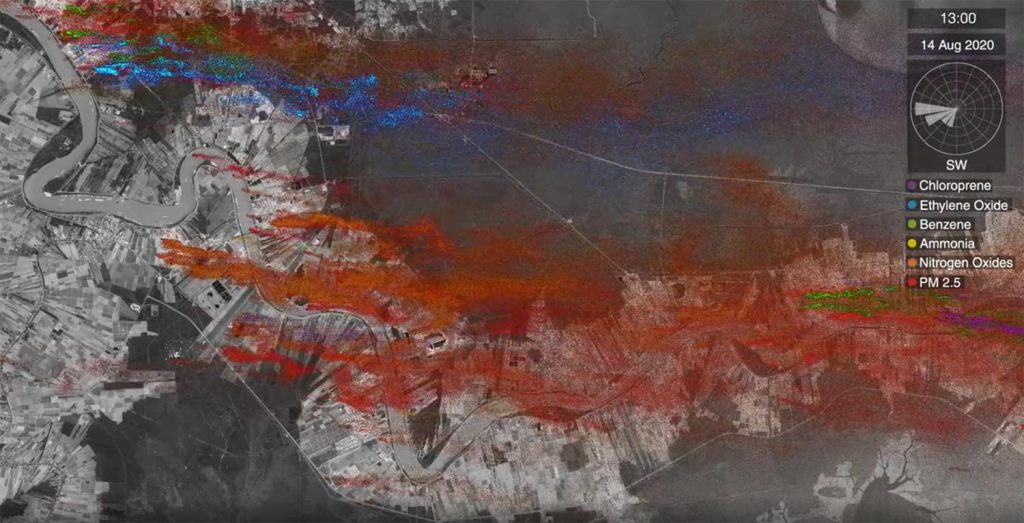
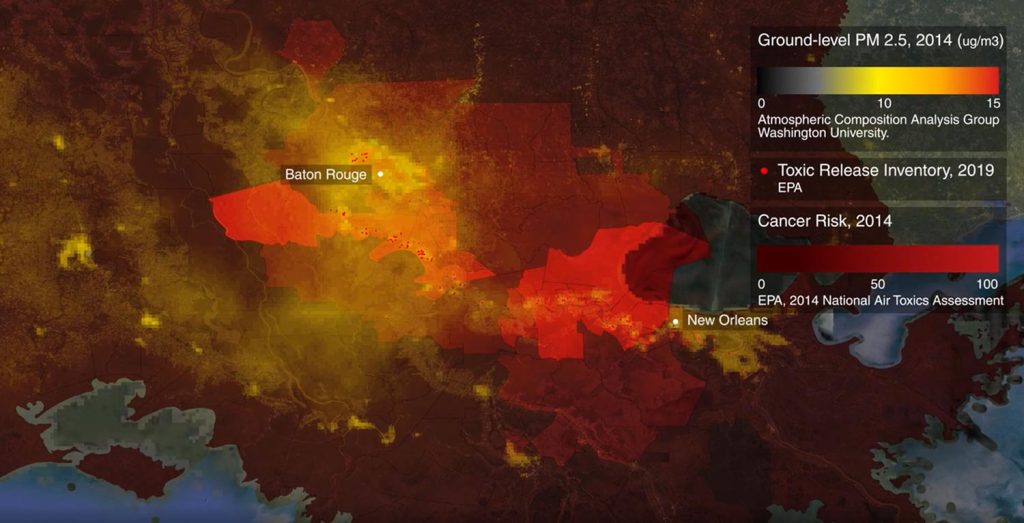
This is a practical example of emergent multi/cross/ interdisciplinary practice discussed by Maziar Raein and Susanna Edwards: This Forensic Architectural project uses 3D simulation informed by mereological data from a local weather station to visually represent the behaviour of toxic air pollutants which pose grave threats to public health. As the noxious gases are invisible to the naked eye, it is difficult – as similarly discussed in Anab Jain’s Ted Talk – to inspire action based on abstract ideas despite accumulating data. The absence of relatable imagery perpetuates apathy and denial from holders of political power, enabling a toxic cycle of environmental racism and human rights violation. The commissioned project enable Rise St James to bring visibility to land pollution, support claims for accountability and search for erased black cemeteries.
As predicted in the earlier case studies, the multifaceted interdisciplinary nature of forensic architecture demonstrates how the boundaries of graphic design are blurring into science, geography, human rights, politics and even law in a conscious effort to support a positive vision for a human centred future. This project exemplifies Simon Manchipp’s emphasis on design future being determined not by the tools of the artist but by the universality of their approach to human connection. In this way, although the technical discipline seems too complex to apply to my my own practice at the moment, the environmental racism project inspires me to think more broadly from a technical multidisciplinary perspective which can be applied to an ‘ideas’ driven starting point as Manchipp advocates.


Workshop Challenge
Further Research:
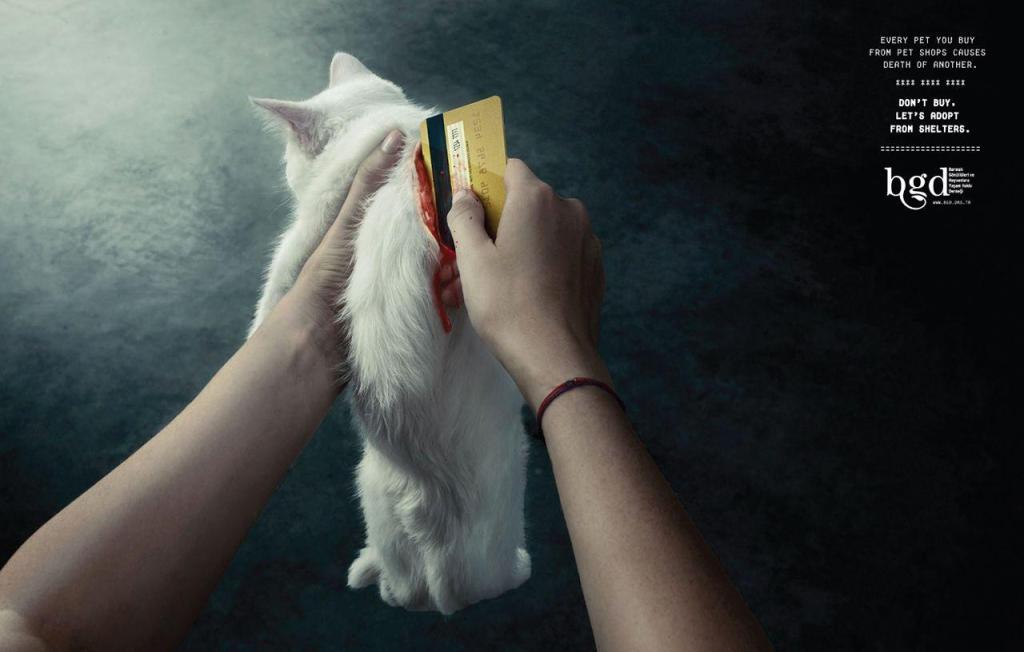
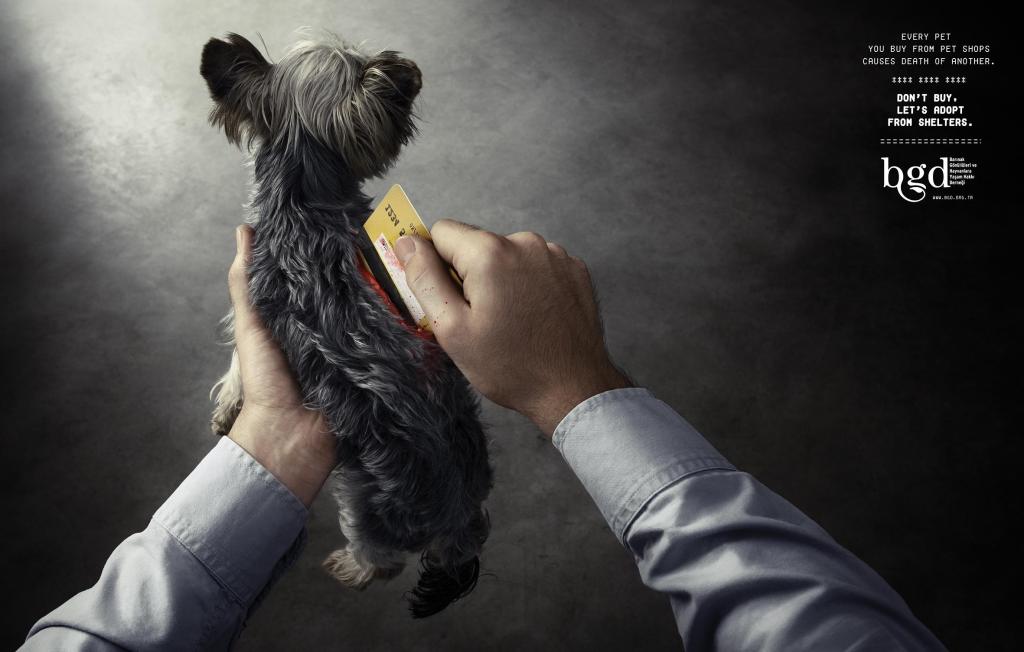
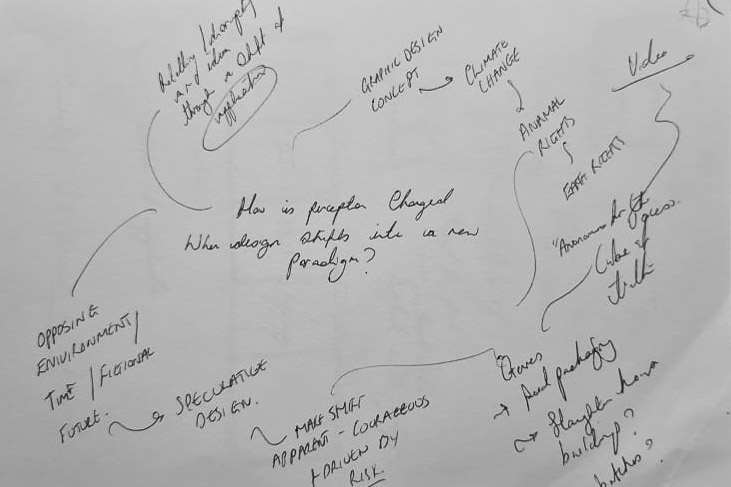
Print advertisement created by JWT, Turkey for Association of Shelter Volunteers and Animal Rights Istanbul. Inspirational campaigns that use explicit imagery within the context of traditional advertisements and marketing. The shift of application applies confrontational imagery to the conventions of advertising, inspiring moral introspection into the relationship between two juxtaposing ideas: animal welfare and money.
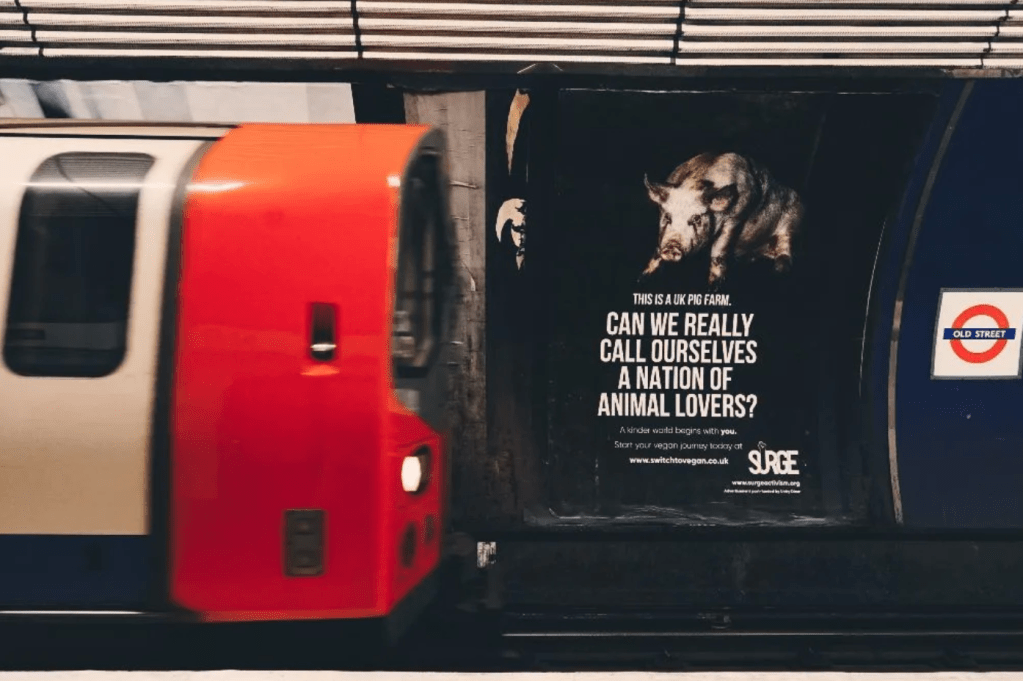
Surge: Animal rights advertising campaign.
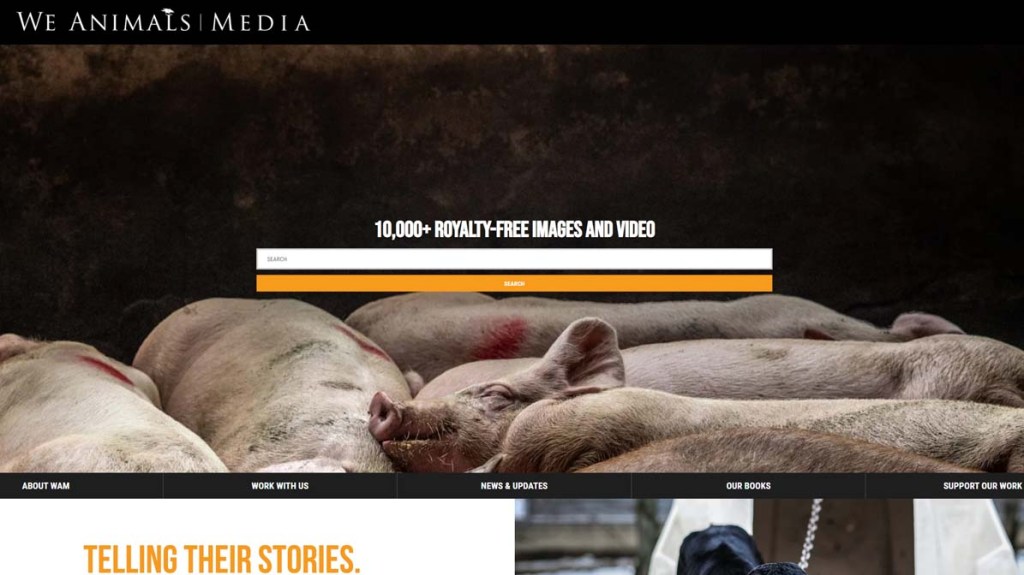
We Animals Media: Royalty free images and video, stock content created by animal rights activist for creative, academic and commercial use.
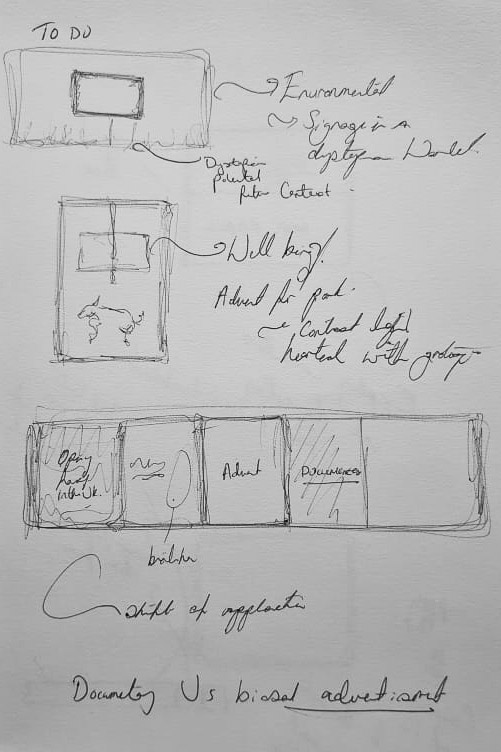
Idea Generation:

Initial Outcomes
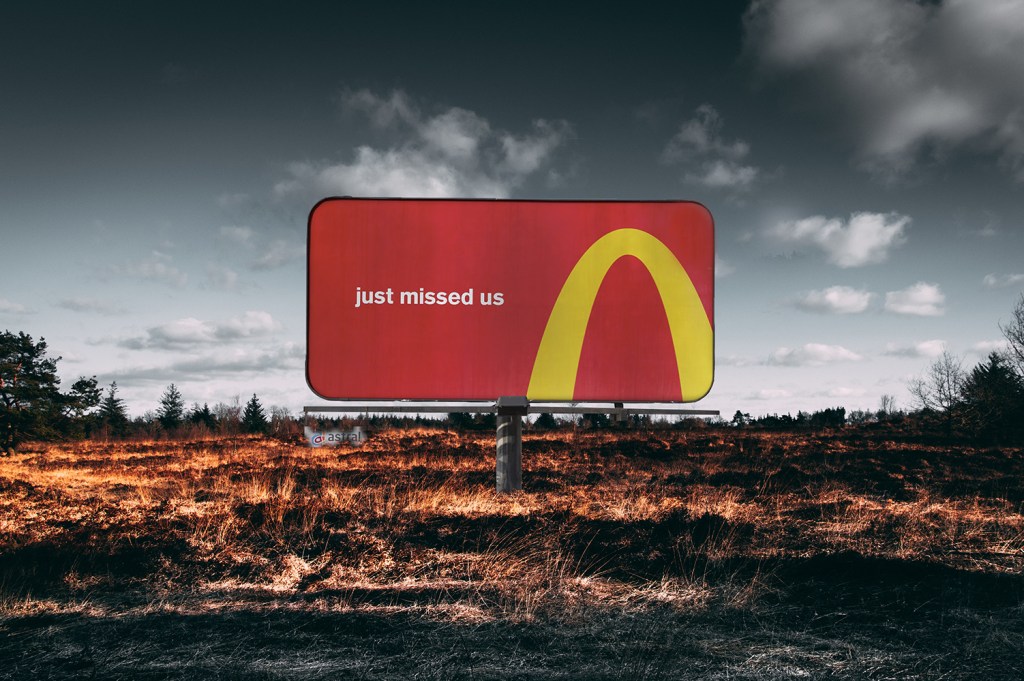
Outcome 1: Considering environmental topics explored inspired by Anab Jain’s speculative design projects such as the 2030 polluted air simulation and the climate data projection, I wanted to explore how iconic brands such as McDonalds could be dismantled and repositioned in an emphatic dystopian context. This image of a forest fire offers strong apocalyptic connotations of climate change which shifts the perception of the fast food chain from one of indulgence and prosperity. Its dramatic contrast helps to construct an allegorical, foreboding narrative about the destructive nature of human behaviour and its influences on the natural environment, causing the iconic brand to epitomise human greed and the dark potentiality of mass consumption. This billboard was taken from a series of 3, indicating the physical location of the restaurant, encouraging people to diverge towards it. I found the navigational language used in correlation with fragments of the iconic logo reflective of our current relationship with climate change and the demands for important decisions and changes of course. Although I quite liked this pieces, on reflection of the brief which emphasised being ‘courageous’, I felt that wanted to push myself to delve deeper into the topic of humanity’s relationship with nature and systemic exploitation.
Outcome 2: Animal agriculture is a controversial topic which comes under the multifaceted issue of climate change. For me as a vegan, this has an inextricable link with animal ethics and the fascinating topic of animal rights in 21st century mass consumer culture. In the name of ‘courage’ I wanted to explore how design can be used to challenge normalised perceptions of traditional ‘farm’ or ‘food’ animals as commodified items of production. This design attempted to reposition traditional printed food advertisements within the subversive context of the inside of a factory farm. I wanted to explore how familiar typically inoffensive images can adopt more loaded controversial and provocative meanings by taking it out of its public environmental context and relating it to the unseen reality of the products origins. Anonymous for the Voiceless (see below) inspired this contextual shift to challenge what is safe and familiar with what is hidden from the public. This image in particular (sourced from the international We Animals Media Archive) aims to raise awareness of welfare conditions in factory farming. The depth of field emphasising the hanging chain symbolises the absence of sufficient enrichment inherent within international legislation which leads to depression and cannibalism on pig farms.
Although this design had potential to be developed as an idea, I became really fascinated by how video is used as an activism tool to generate more evocative responses. Inspired by Animal rights initiatives such as ‘Anonymous for the voiceless’ and the film “Norm”, I wanted to persevere and explore how moving image can create harder hitting narratives.

Further Research:
Anonymous for the Voiceless
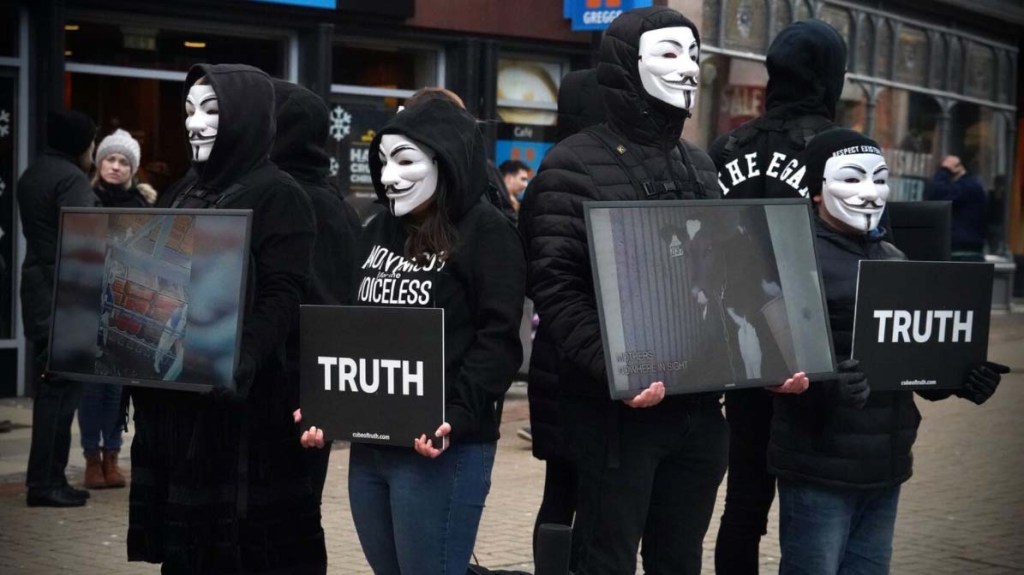
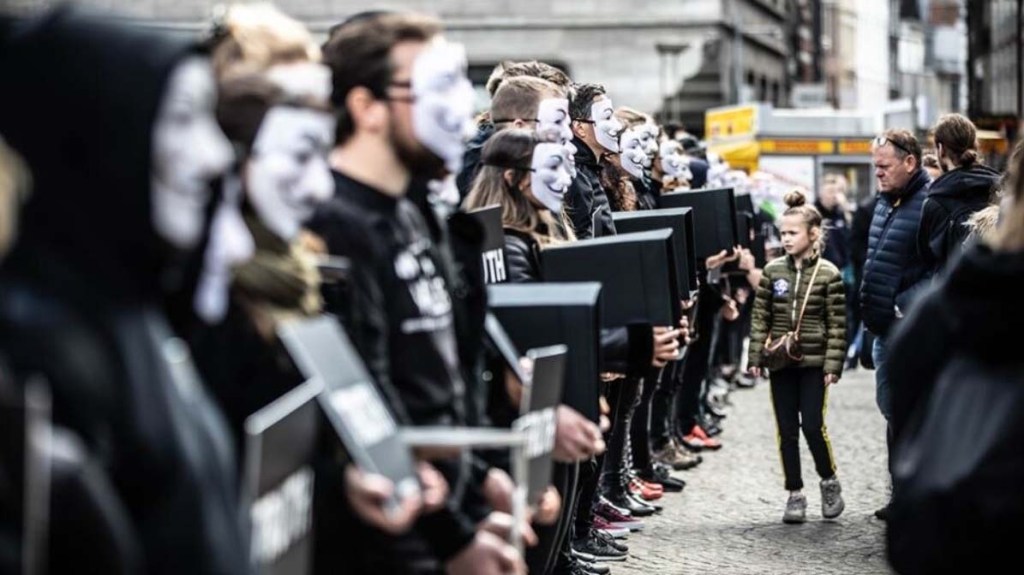
Anonymous for the Voiceless (AV) is an international animal rights campaign which uses an uncensored approach to activism designed to educate the public on systemic welfare violations which are inherent within animal industries. AV ‘cubes of truth’ consist of volunteers showing uncensored footage depicting the reality of what happens to animals across multiple global and local industries. Footage is sourced from undercover investigations, documentary films and footage from animal industries themselves.

Critical Reflection
The shift in context of explicit images being brought to public contexts such as populated shopping centres, creates a strong contrast between the aspiration and reality of consumer culture. This strand of activism effectively penetrates public consciousness as people are given the opportunity to reflect on their own impact towards the production of animal products in a physical environment that encourages mass consumption.
The anonymous, mask wearing aspect of the protest draws spectacle whilst emphasising that the volunteers are there to give voice to the animals alone. Additionally the masks function to enable the public to watch the footage without human judgement; the equal ability to reach out and converse with volunteers and simply walk away from the cube strikes a boundary between respect for peoples emotional capabilities and the right to be informed, encouraging honest respectful and consensual debate regarding our ethical relationship with animals and their use.
“Norm”
Written and Directed by Miguel Endara
Produced by Miguel Endara and Lily Vidal
‘”Norm” is a short film about two roommates debating over the morality of rape, in a society where raping women is legal and socially accepted.’
Critical Reflection
The film repositions typical arguments for and against animal rights and the practice of veganism in the context of women’s rights. By shifting the arguments into a context of something largely recognised and agreed upon in todays western society, the film dismantles the boundaries between contemporary and historical social norms. Ethical parallels are constructed between the philosophical identification of the word ‘vegan’ and ‘consensual’ a term used in the film to refer to a minority of people who only have consensual sex. The dialogue between the two men highlights the alienation, mockery and taunting experienced by many vegans.
I feel that the subtext potentially relies on an intellectual awareness of the intellectual nuances within the subject of animal rights and veganism, as well as a personal familiarity with uncomfortable and triggering experiences with ‘antivegans’. Although I imagine that non vegans may feel that the linguistic and ethical comparisons may be ‘extreme’, for me as a vegan watching this film, I felt that it successfully captured the irrationality of mass animal exploitation by subverting the animal rights narrative and applying it into a dystopian fictional context of human violence.
The medium of film uniquely engages the viewers emotions and enables them to follow a conversational thread loaded with philosophical ethical and social complexities which encourage deep introspection. With regard to the workshop challenge, the film really inspired me to interrogate media and process more deeply and explore how film can be to disturbed and restructured meaning.
Outcome 3:
Development:
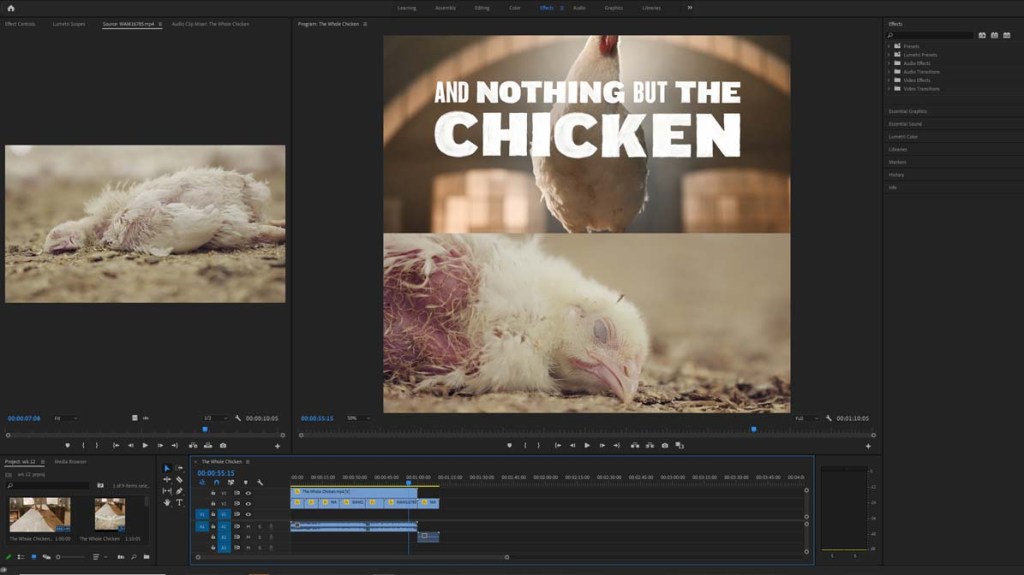

Video Attempt 1:
Video Attempt 2:
Final Outcome
Critical Analysis:
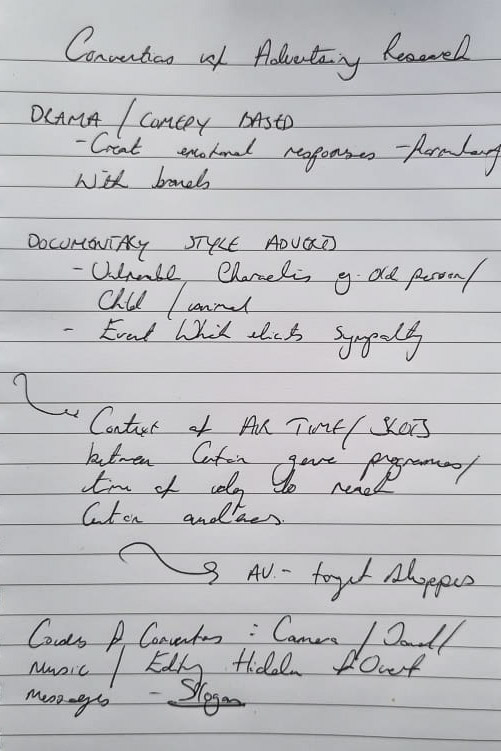
This final idea explores how the conventions of tv advertisements can be challenged to create subversive meanings surrounding our relationship with familiar products trusted brands which raise awareness of the complex issue of animal welfare within industrial scale farming. Explicit images and information (sourced from We Animals Media of UK industrial farming units) have been used to reposition this KFC advert within the context of documentary film. The contrast between the two production styles emphasises the artificiality of the humour based advert, constructing darker, more insidious meanings of hypocrisy and corruption and injustice with regard to welfare ethics. As a result the viewer is confronted with the reality of industrial scale farming and invited to question the legitimacy of animated representations of healthy content animals in humour driven ads.
Inspired by the graphic use of undercover content used by AV, I wanted to investigate how explicit images when contrasted with innocent mainstream representations can break through the hypnosis of bias advertising and challenge cognitive dissonance with regard to our relationship with physical products. The piece aims to educate a mainstream audience on the exploitative practice of broiler chicken farming which manipulates the animals genetics and comprises welfare in order to capitalise on financial profit.
Evaluation:
As animal ethics can be such a divisive and emotionally complex topic, I wanted to approach the design in a way that was effective without being alienating or personally shaming in any way. Therefore the use of documentary conventions enabled an appropriate degree of objectivity to penetrate through the viewers instincts to mistrust or deny uncomfortable information which may threaten their sense of identity and consumer behaviour. Considering this, in the future I would like to examine more closely different intellectual approaches to activism and social change in order to explore how such ideas can inform the visual communication of ethically loaded messages.
After experimenting various different sequences, I decided that this linear style was more filmic and captured the attention of the viewer in a way that provokes shock, disgust, moral evaluation. I also liked how the videos could be ordered chronologically to show the stages of the birds life, emphasising the brevity of their existence and disposable attitudes towards them as objectified commodities. Overall I feel that the design successfully dismantled and created the meanings intended, however if I were to take this further I would like to experiment with motion graphics in further detail and explore how documentary and humour based graphic styles can influence the perception of data.

 CATHY DAVIES