Function: Guest Lecture with Sam Winston.
Critical Reflection
Sam Winston’s perspective on an ‘embodied’ design approach, making space for ‘ideas and mistakes’ which the controlling mind can’t intellectual into being’ inspired me to embrace the experimental part of the design process in an effort to generate a unique response through happy accidents, error and chance. Informed by Kenya Hara’s notion of Exformation, the discussion between Sam and Susanna examined the practical, theoretical and emotional aspects of unique idea generation and its manifestation into a design substance.
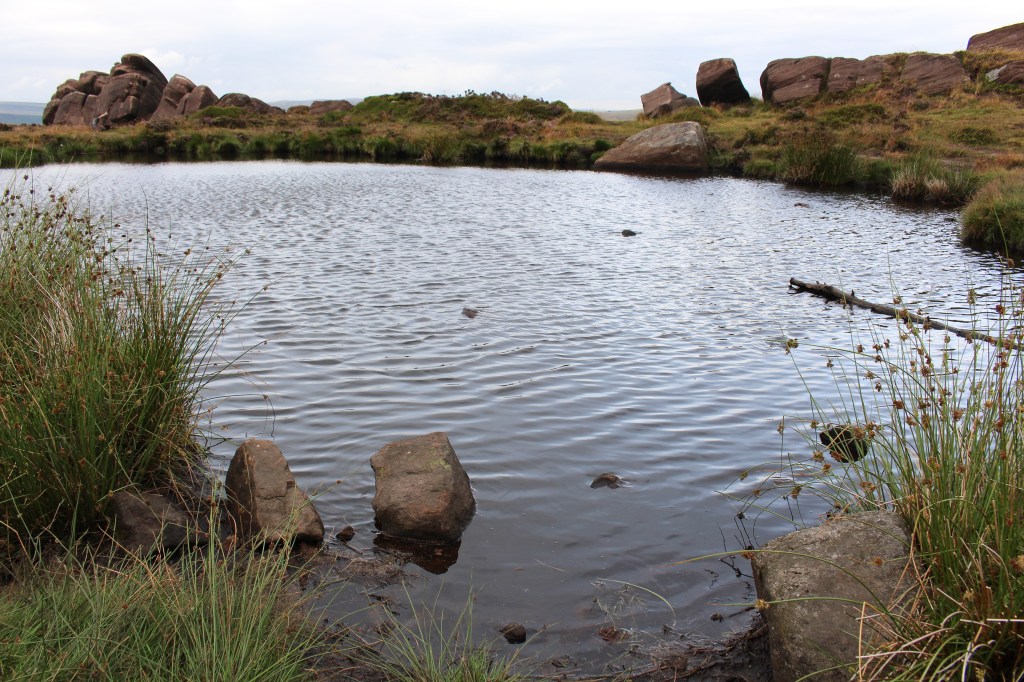
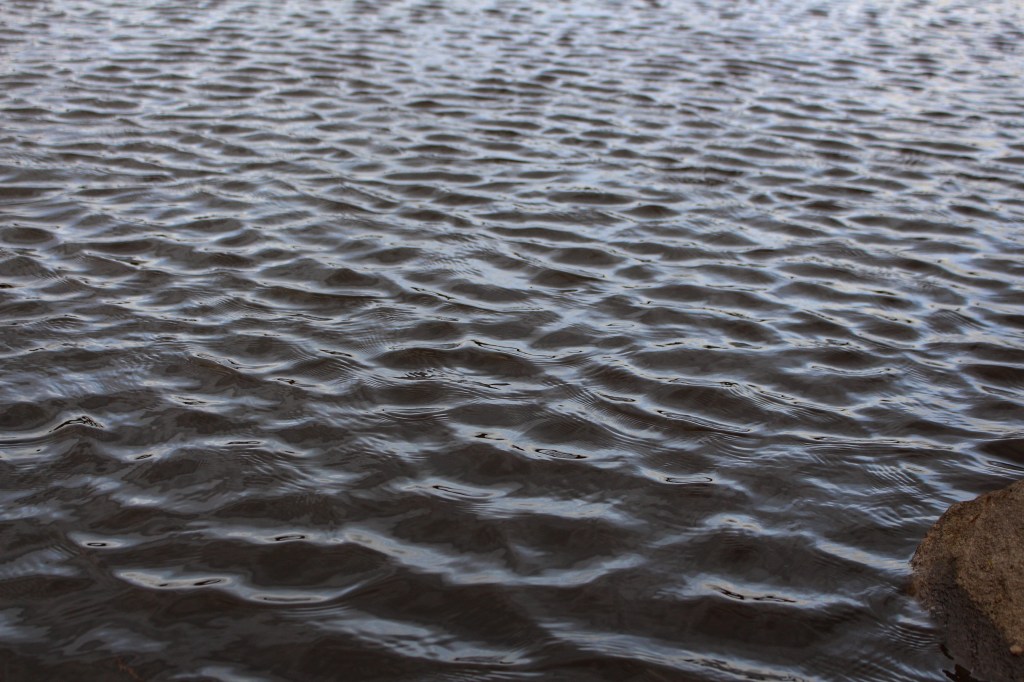
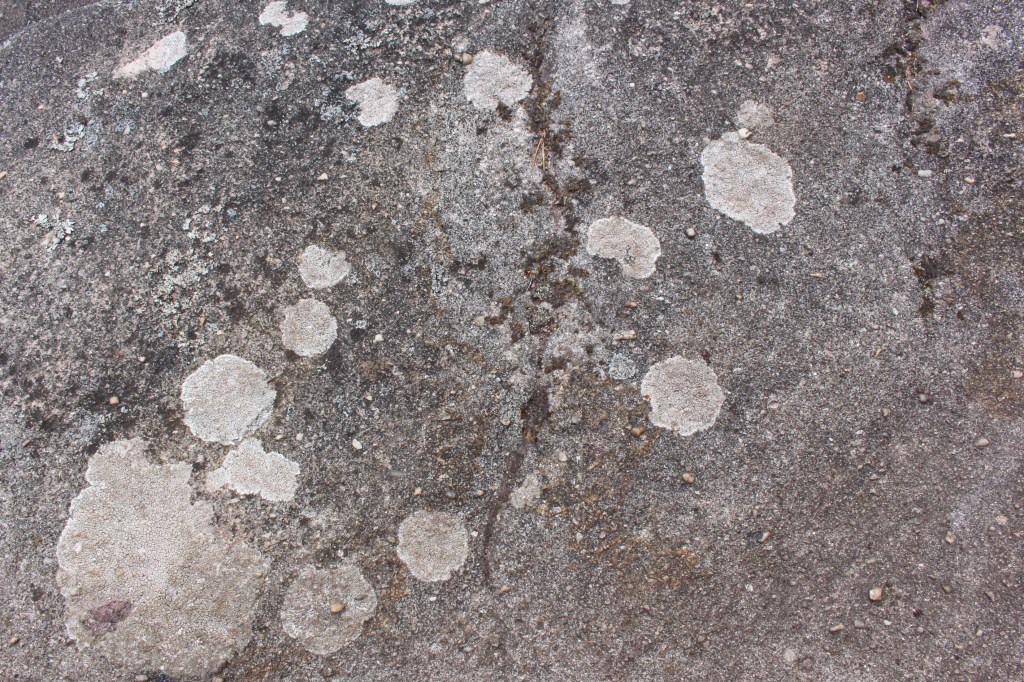
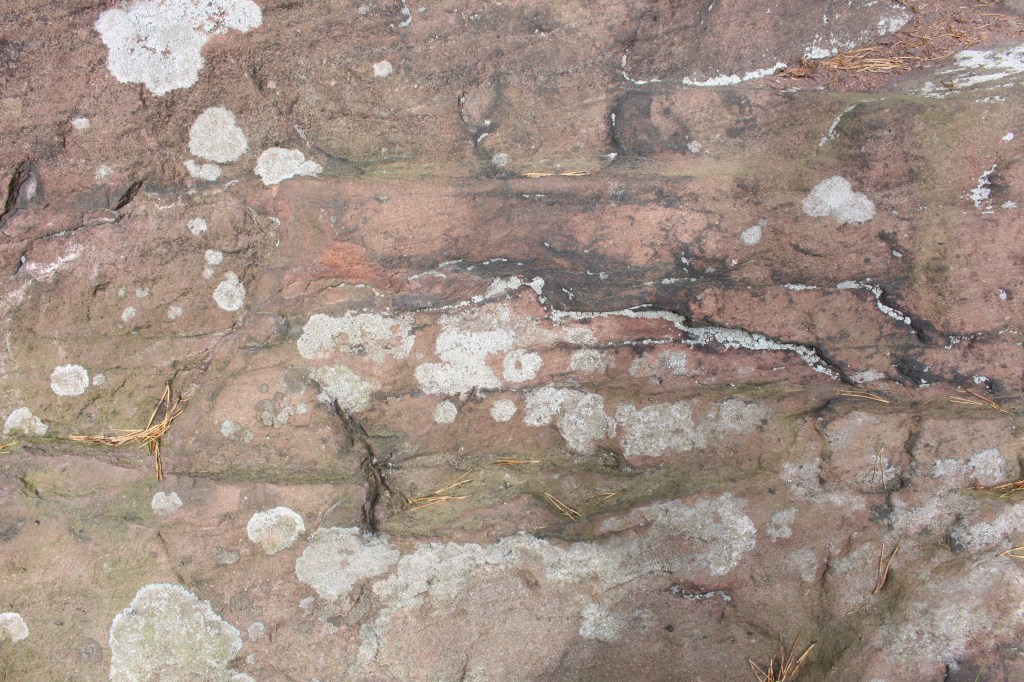
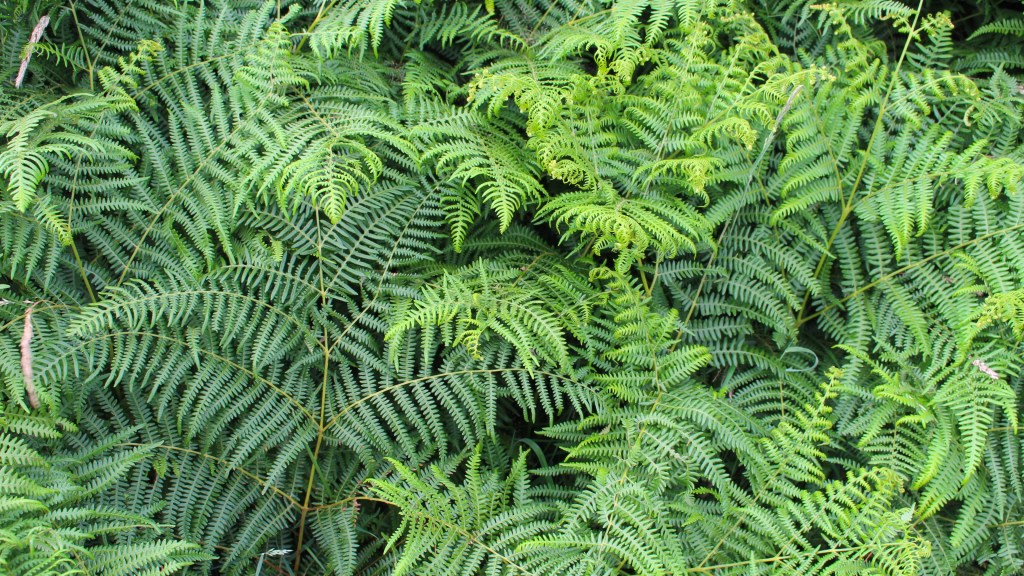
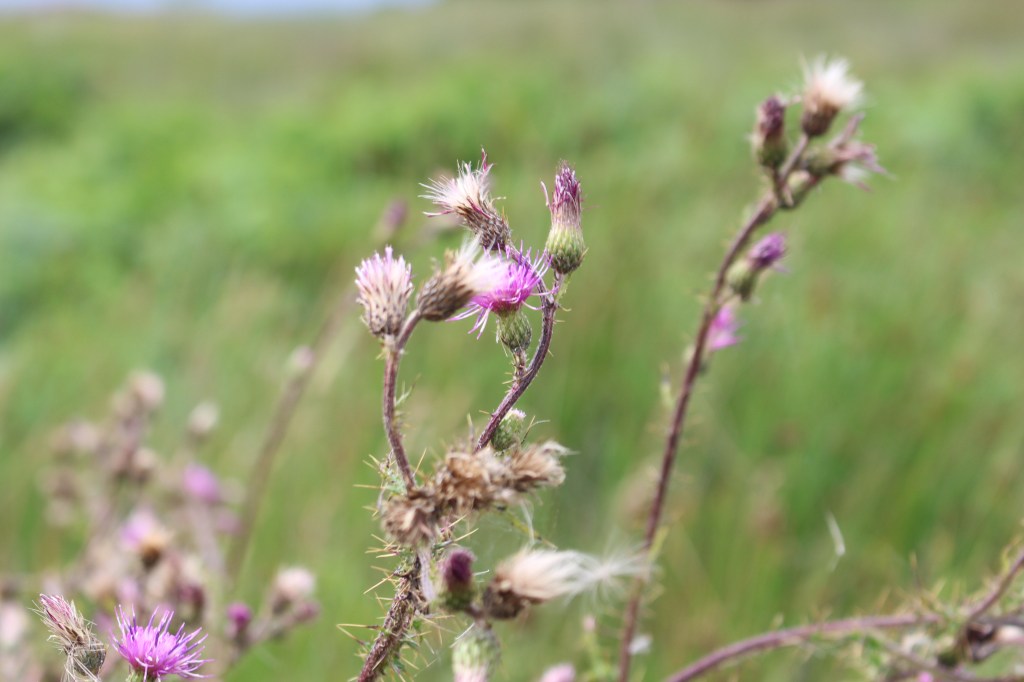
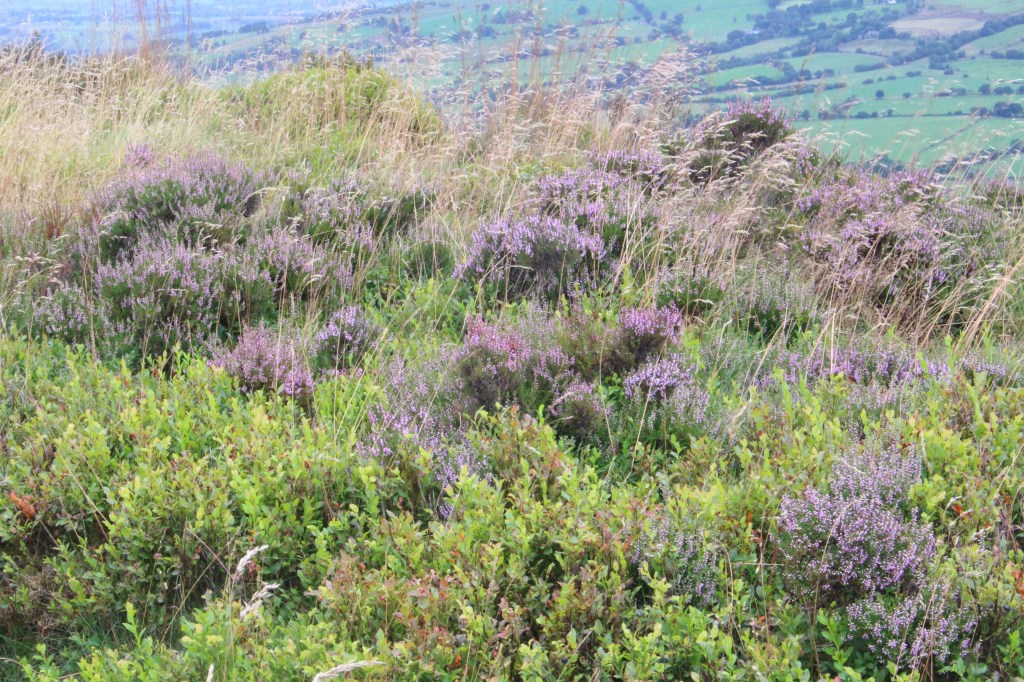
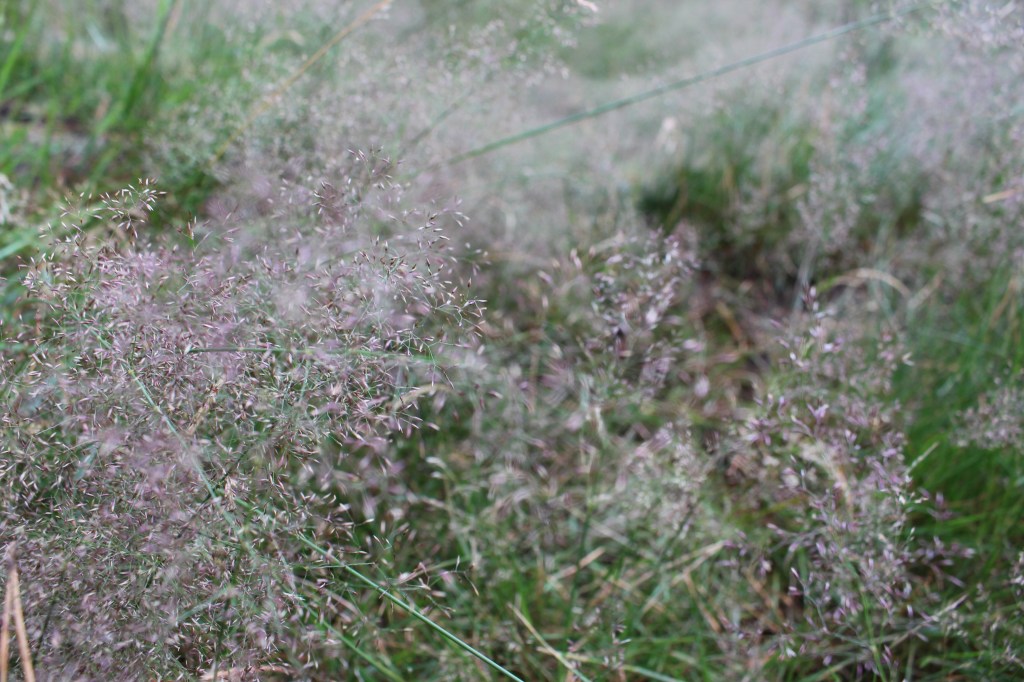
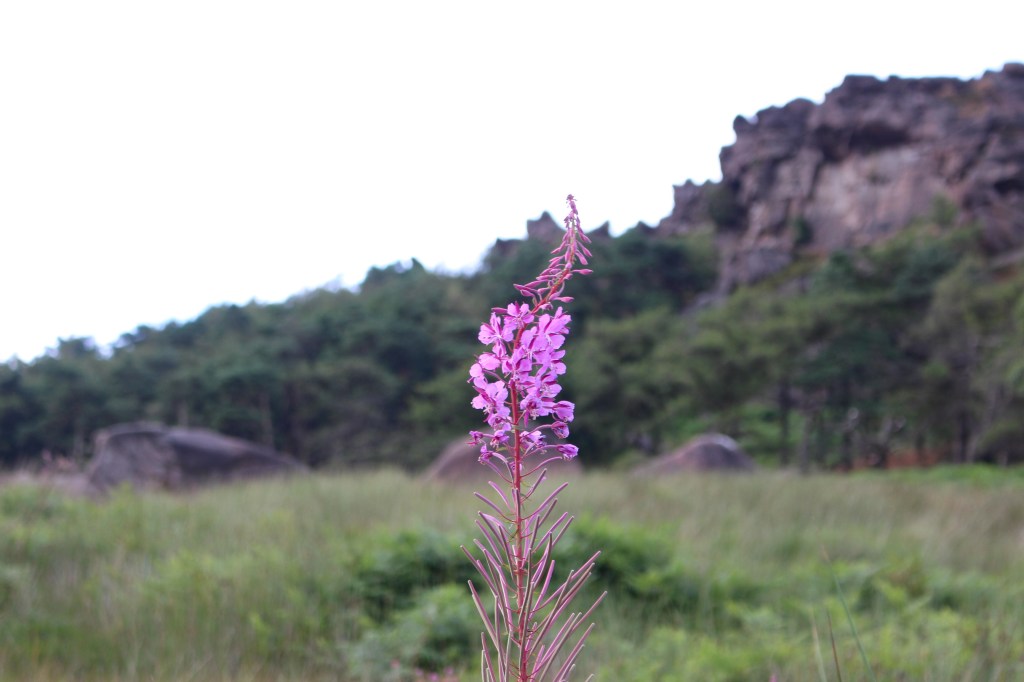
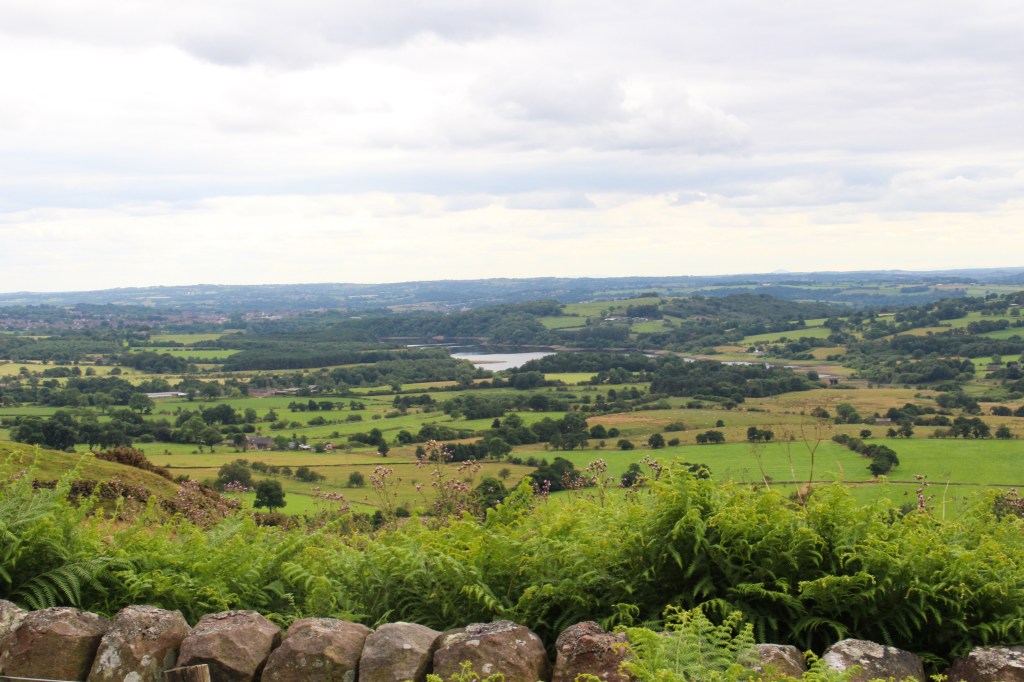
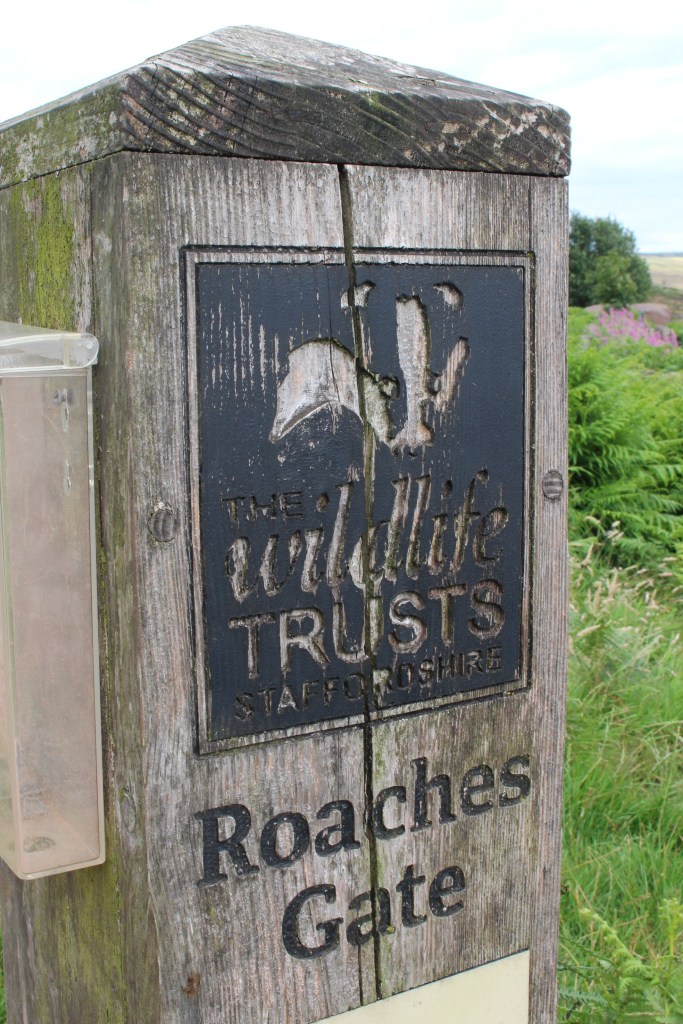
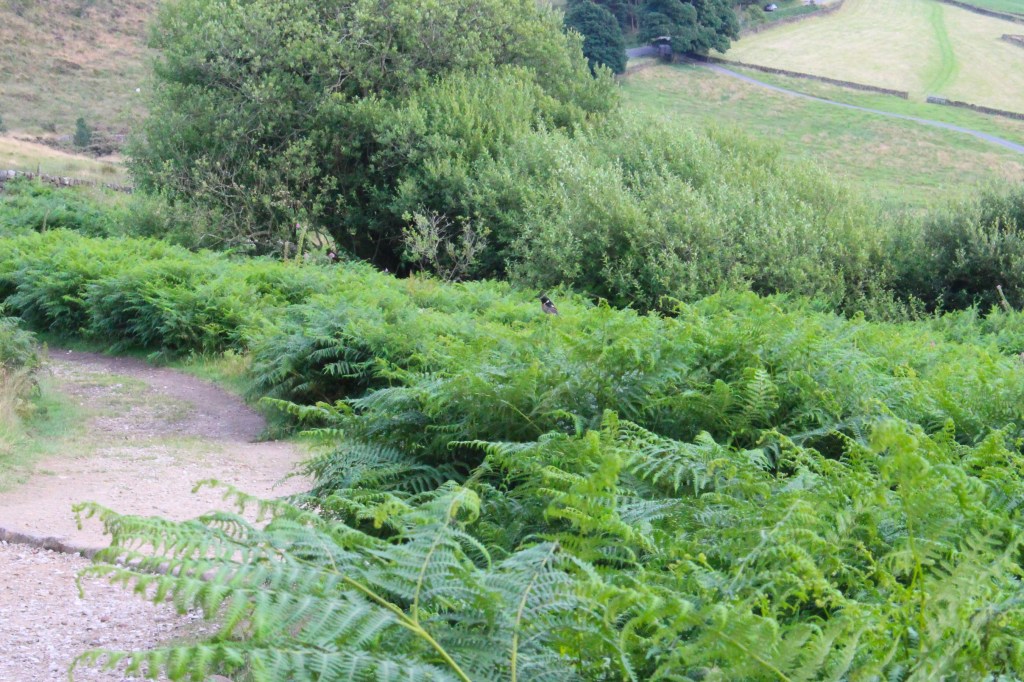
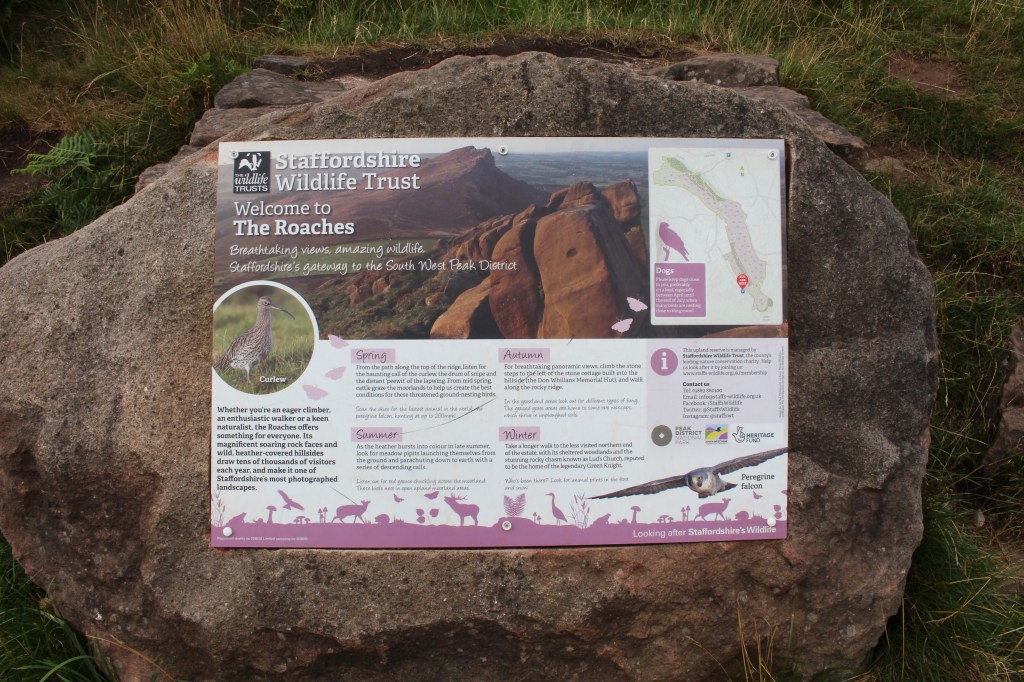
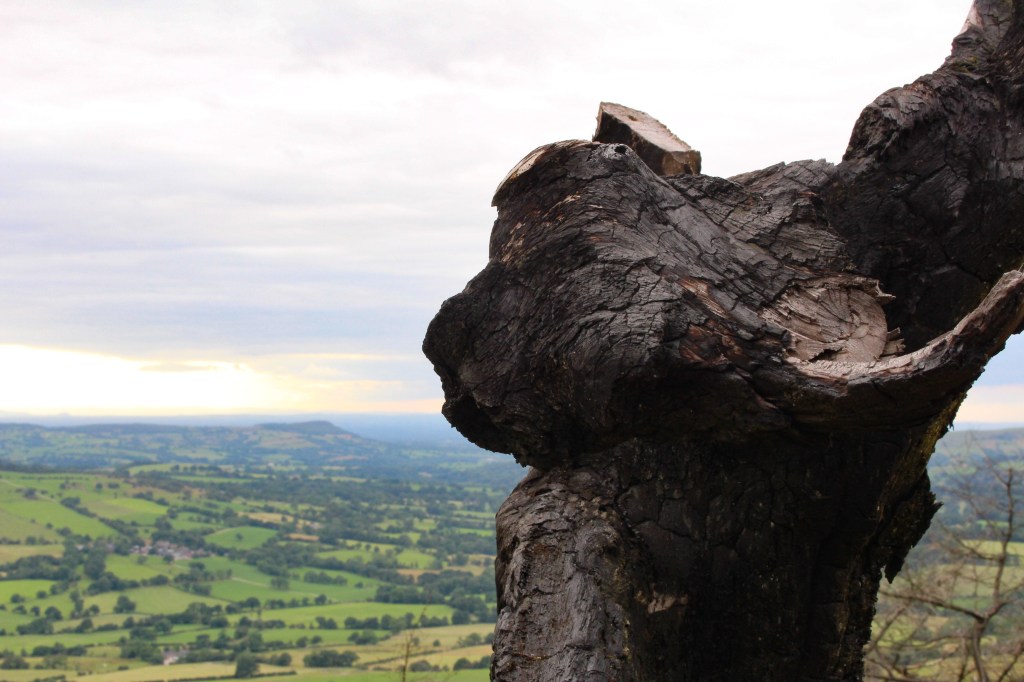
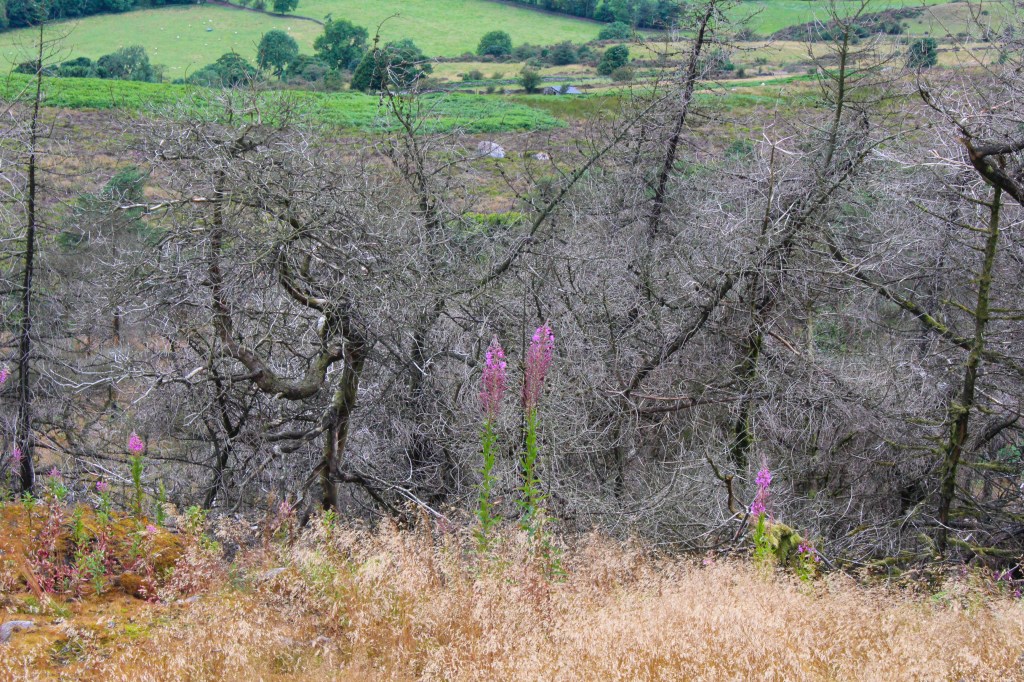
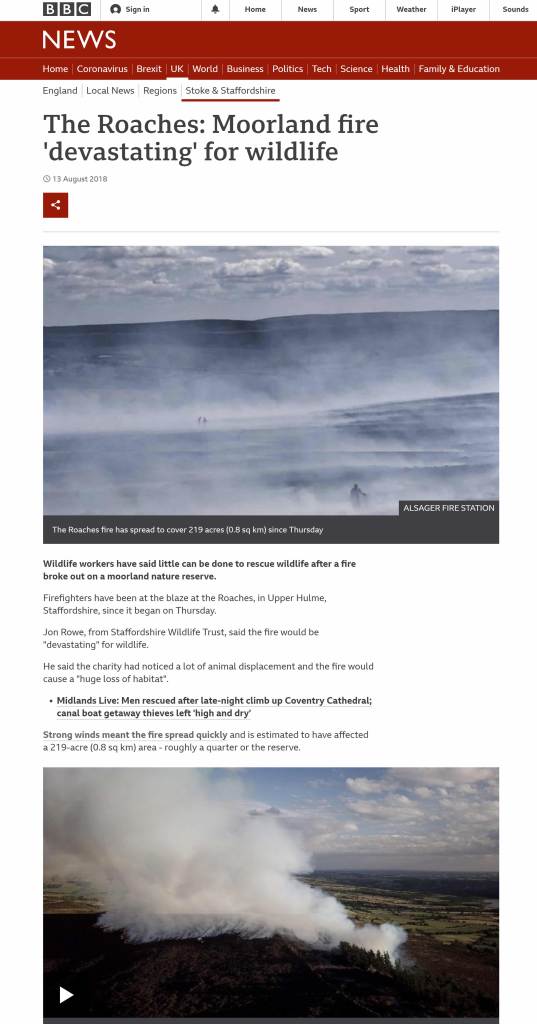
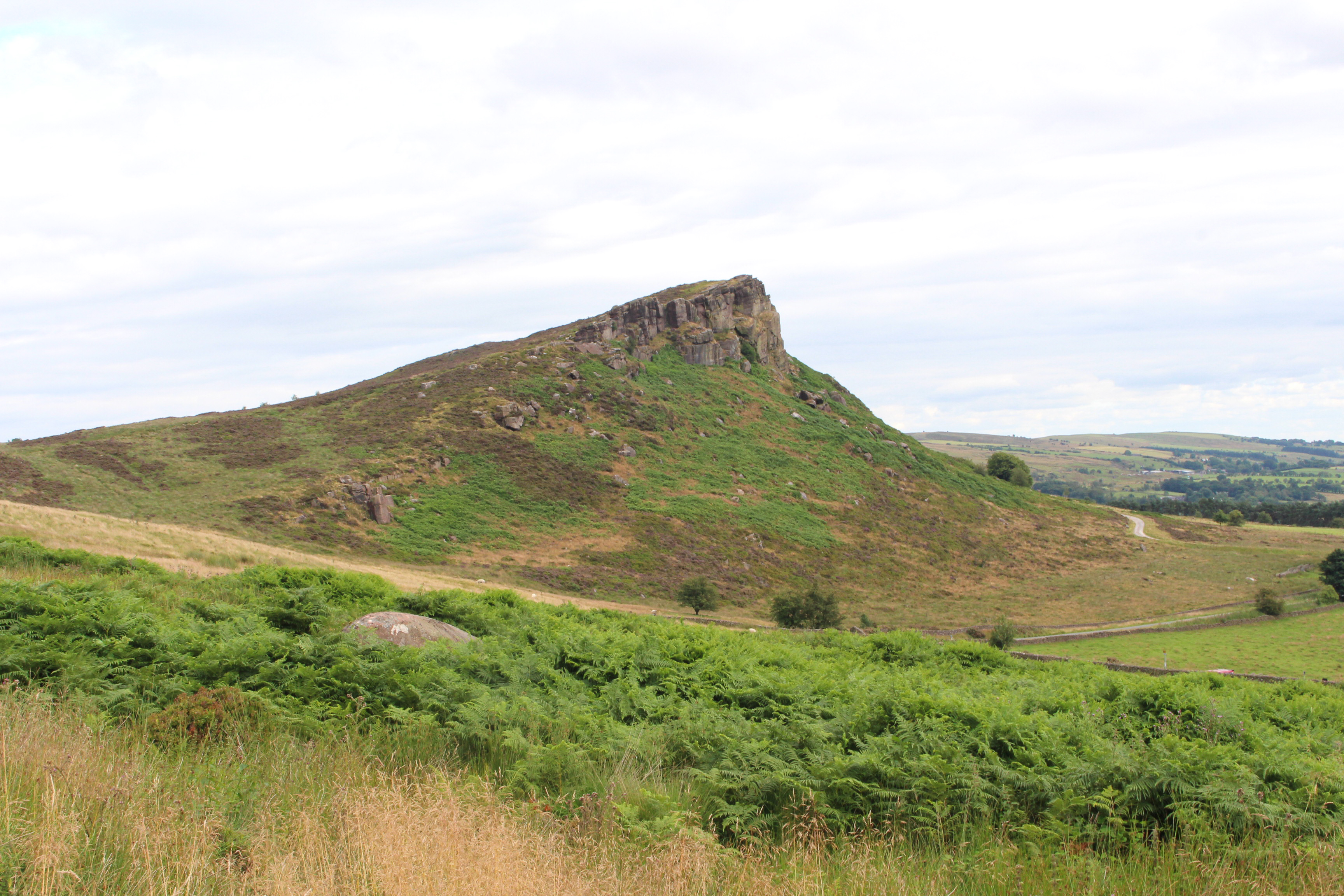
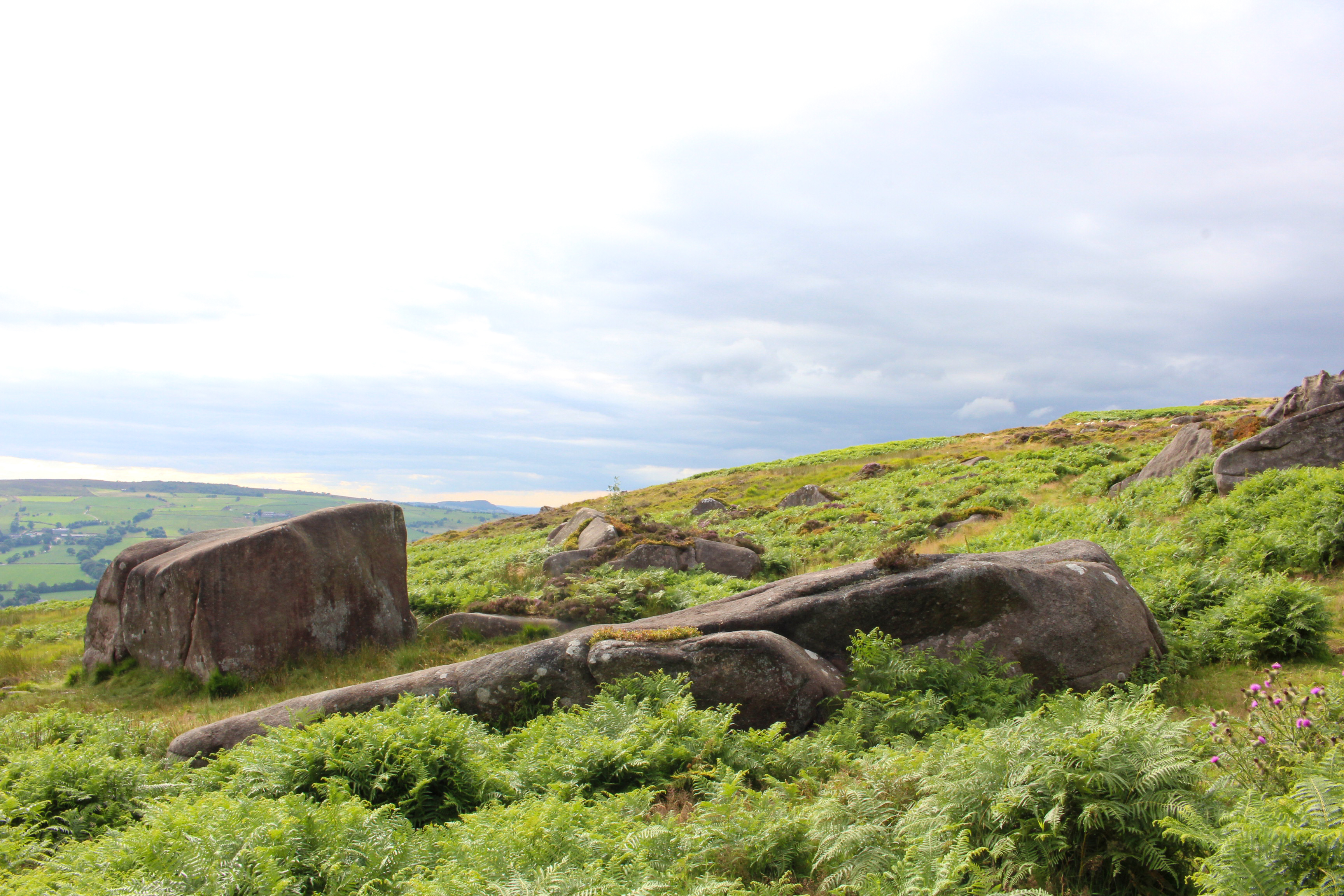
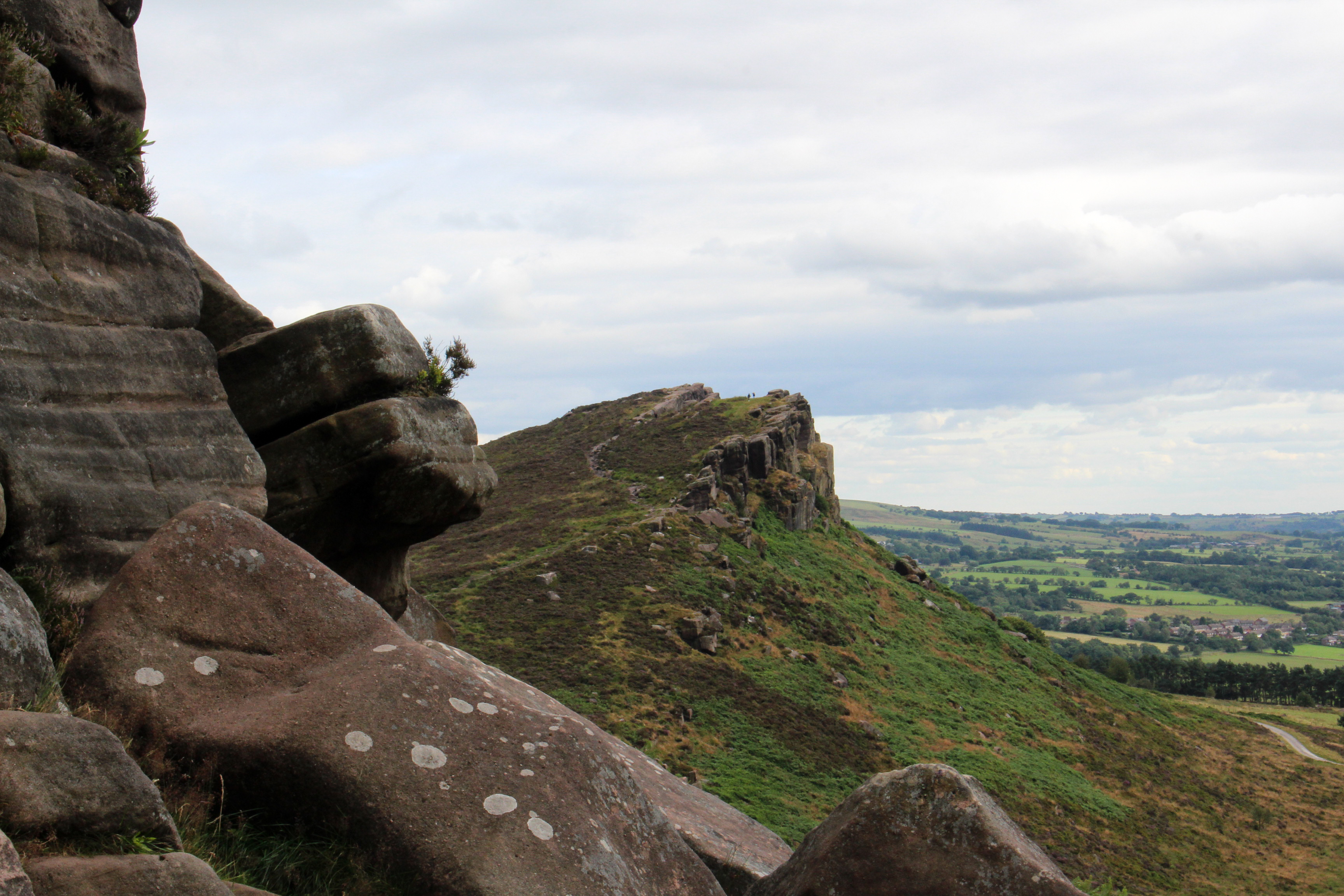
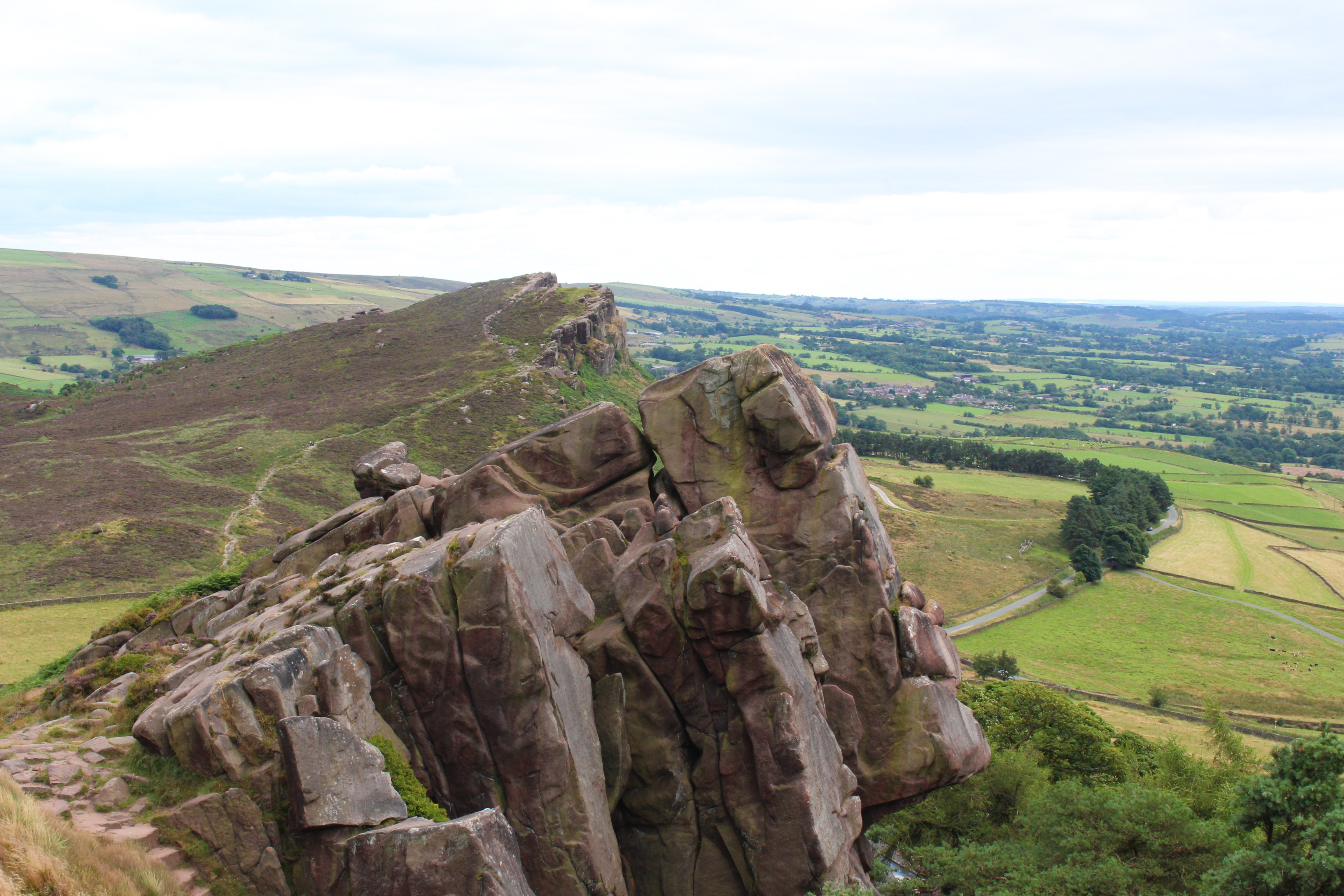
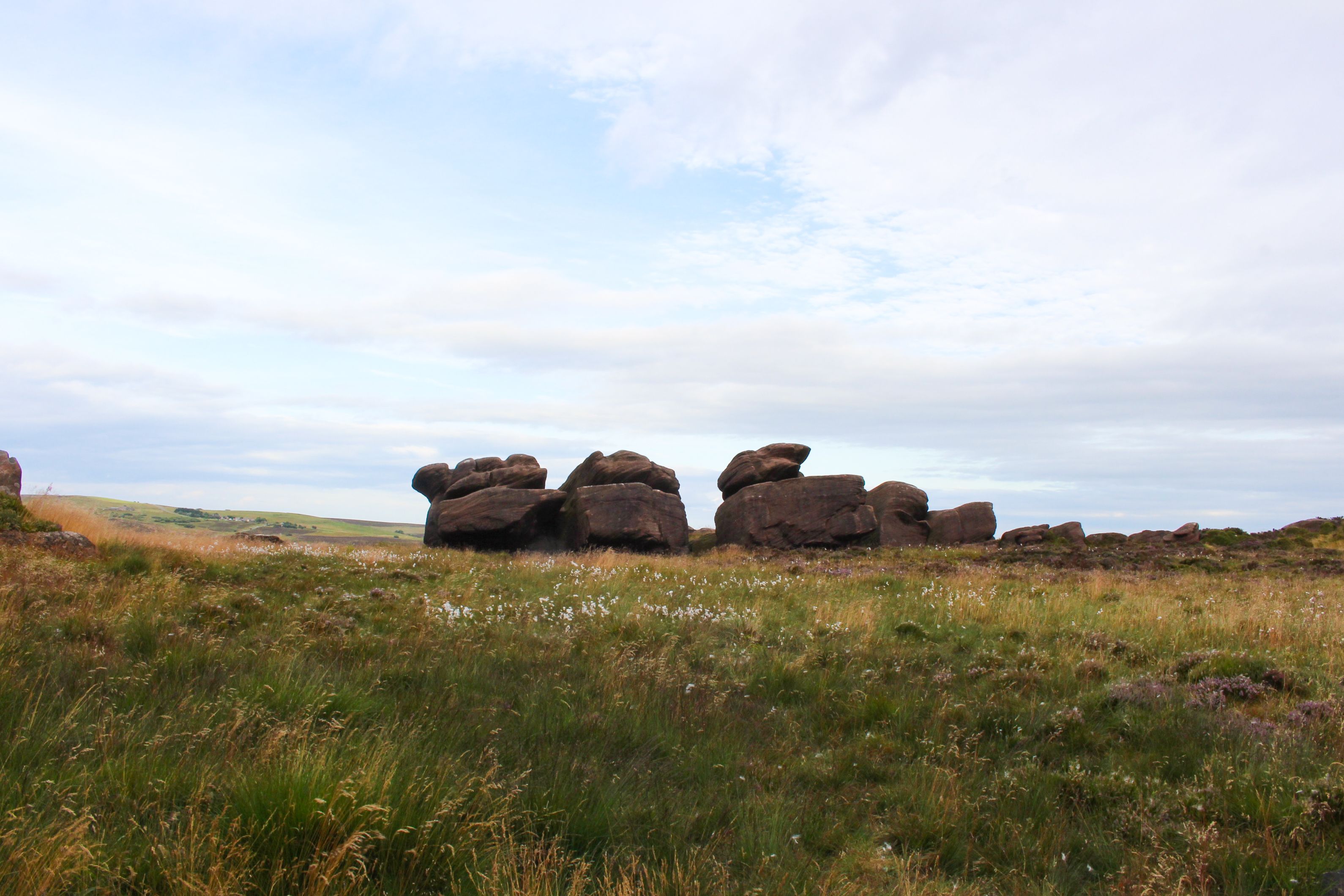
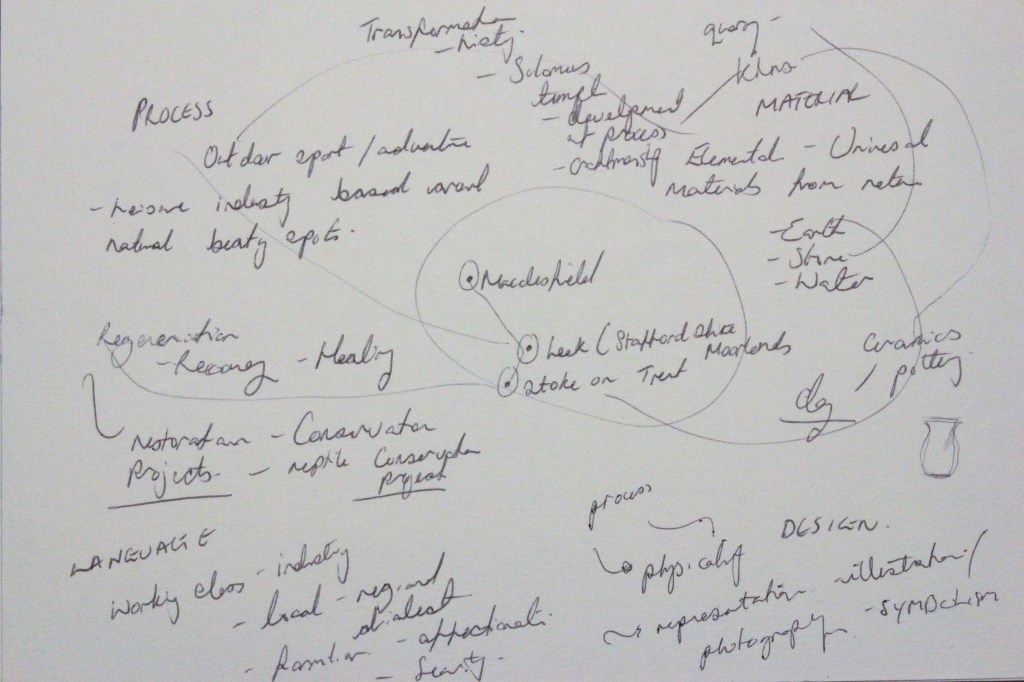
Being extremely interesting in Sam Winston’s approach of exploring in isolation, process, materials, language and design, I applied this methodology to my workshop challenge, conducting primary research with an emphasis on the ‘sensory experience’ of place and it’s influences of the ‘outer and inner dialogue’. I used photography to record unique properties of place (Staffordshire Moorlands) such as textures, sounds and processes, which triggered further research into contextual events including a devastating forest fire at The Roaches, a local beauty spot in the Staffordshire Moorlands. This more strategic process of research and dedication to ‘play time’ gave me wider access to interconnecting ideas which enabled me to generate a multi-layered response inspired by Sam Winston’s emphasis on ‘juxtaposition’, ‘speaking in multiple ways’ and ‘fraction of meaning’ between the literal, sarcastic and witty.
Sam Winston’s analysis on the relationship between trust and fear and the ability to ‘let go of preconceived ideas of what you intend to make’ unsettled me slightly at first, however in application during my workshop challenge I found this incredibly productive and liberating as I was able to release my inhibitions in a safe space which fostered a more authentic, introspective outcome. For me, this required patience as well as trust which has become an essential part of my tool kit or design ritual.
A Smile in the Mind: Witty thinking in Graphic Design: Introduction: How I got the Idea
Critical Reflection
In conjunction with the application of Sam Winston’s methodology of not being ‘too concerned about the outcome’ Noma Bar and Shigeo Fukuda’s case studies, I was inspired to consider the ‘weaknesses’ of technology and the importance of exploring ideas on paper before executing them digitally. This was extremely valuable when exploring my ideas through research, photographic recording, mind mapping and sketching, and enabled me to finally reach a position where I was excited enough to naturally take my idea into the next stage of development. In contrast it has always been extremely tempting to explore ideas on the computer first, however I realised how in this case, the design would always be a symptom of my own technical limitations as I would be thinking in the language of the computer and making decisions on what I knew was technically possible. Going forward the idea should initiate the acquisition of a new required skill rather than the skill defining the idea.
I’m comfortable with the screen but aware of it’s weaknesses. I’ve learned to control the machine, not to be controlled by it. – Noma Bar
Another really important takeaway from the case studies was the importance of creating the psychological space for the generation of unique responses. A consistent theme arose regarding the context of successful ideas, for instance, Phil Carter discussed that ‘the breakthrough doesn’t always happen at work. Ideas sometimes come when I’m just about to fall asleep’. Similarly, Koestler wrote the ‘most fertile region seems to be the marshy shore, the borderland between sleep and full awakening, where the matrices of discipled thought are already operating, but have not yet sufficiently hardened to obstruct the dreamlike fluidity of the imagination’.
Ideas Wall:
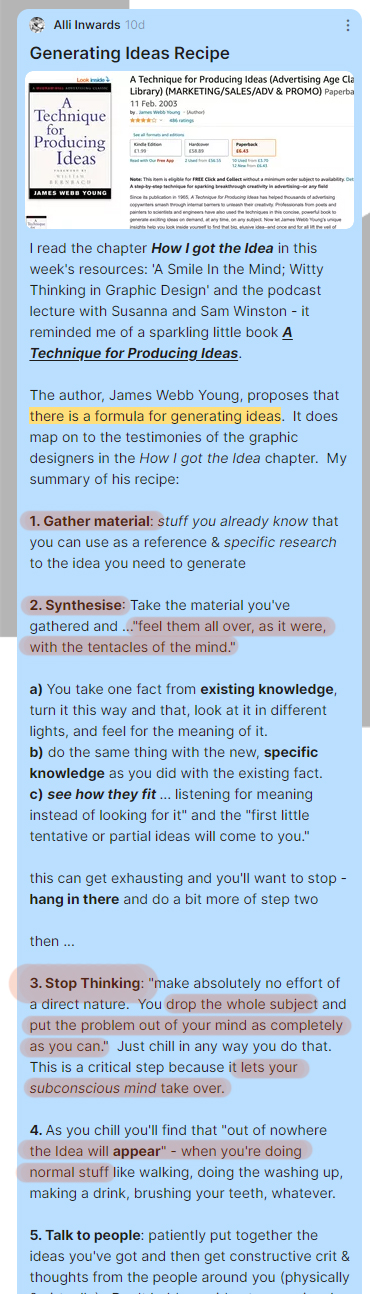
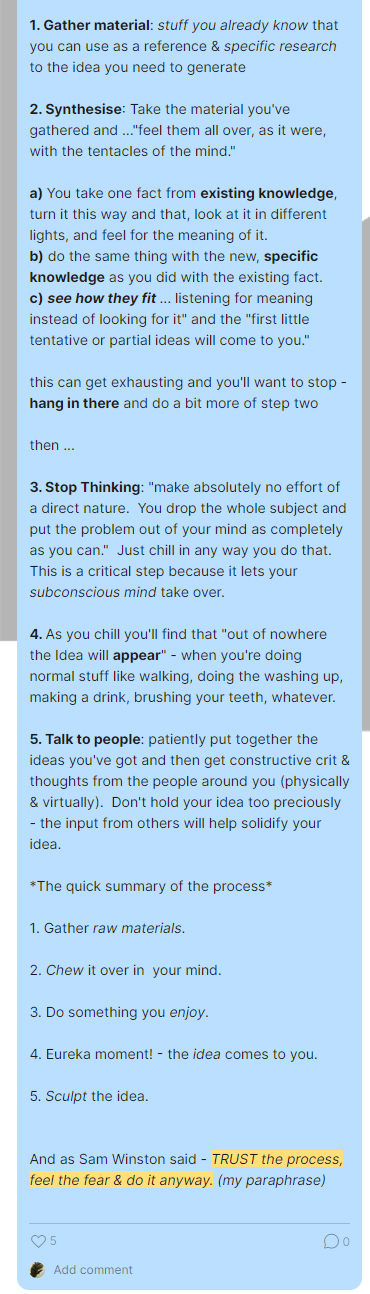
Some reflections on the ideas wall further motivated me to apply a more strategic, considered approach to the idea generation aspect of the design process. I found ‘gather material’, ‘synthesise’ and ‘stop thinking’ picked up in Alli’s reflection really helpful as they reflect the disciplined approach of Sam Winston’s idea of analysing in isolation, ‘process, materials, language and design’. When applying this to my workshop challenge, I found that I was much more open and receptive to ideas that I wouldn’t previously have access to if I had subconsciously formed a ‘predetermined’ idea of what my design would be. This required me to ‘trust’ in the process as Sam Winston discussed, and embrace the fear and apprehension of the unknown or dreaded blank page.
Workshop Challenge: Research
1). Materials
Water

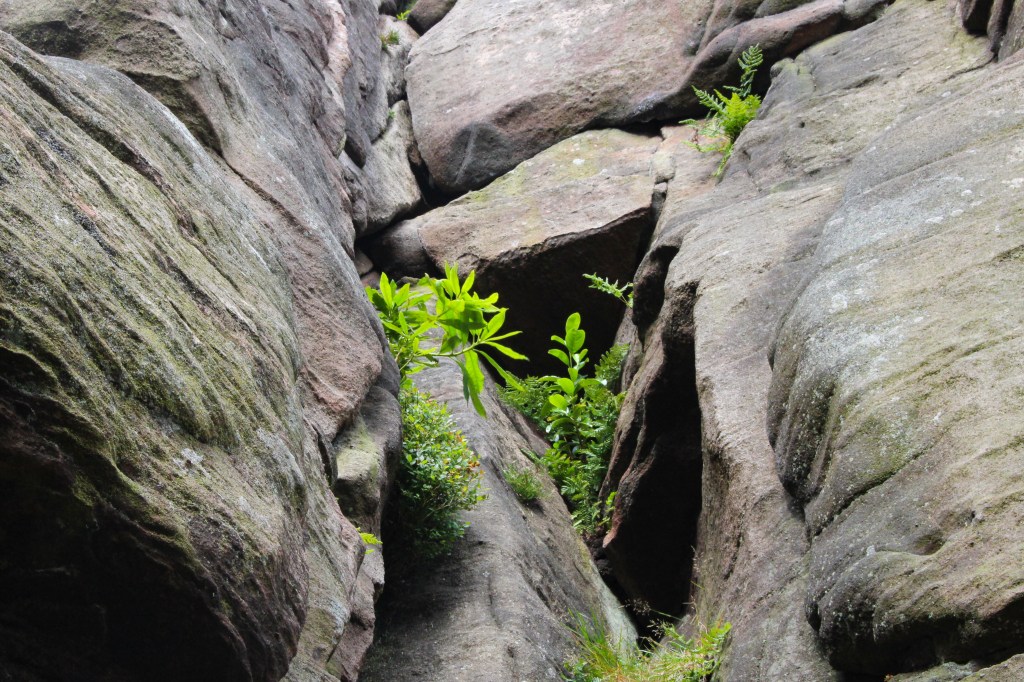
Gritstone
Flora and Fauna





2). Processes
Conservation

Regeneration

Further Research
https://www.bbc.co.uk/news/uk-england-stoke-staffordshire-45169888
Outdoor Activity, Education and Leisure



3). Design
Idea Exploration



Additional Research
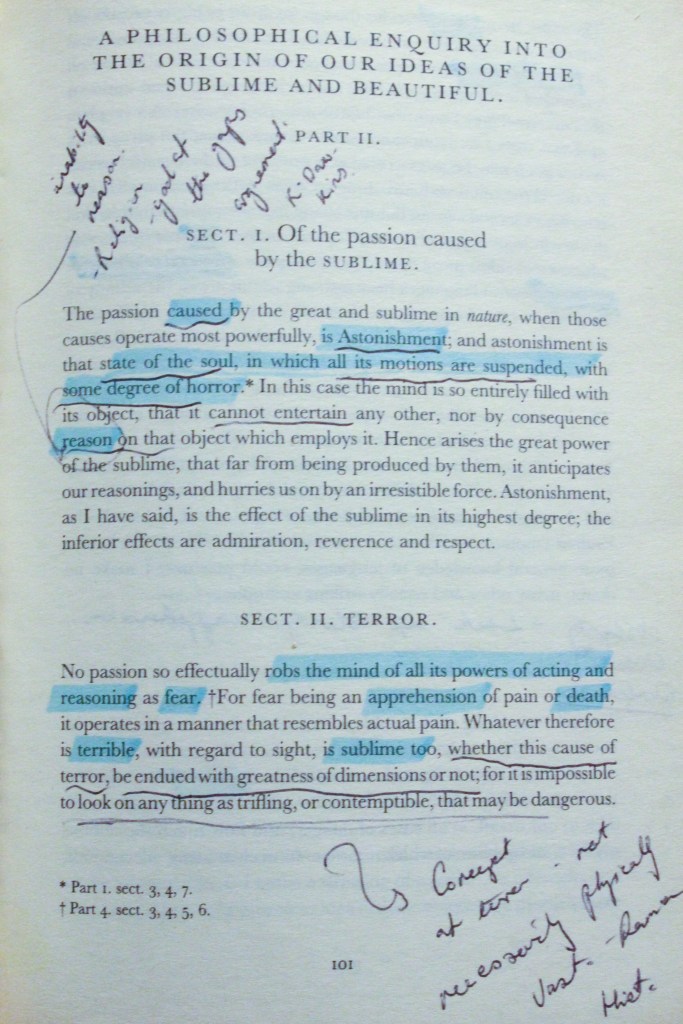
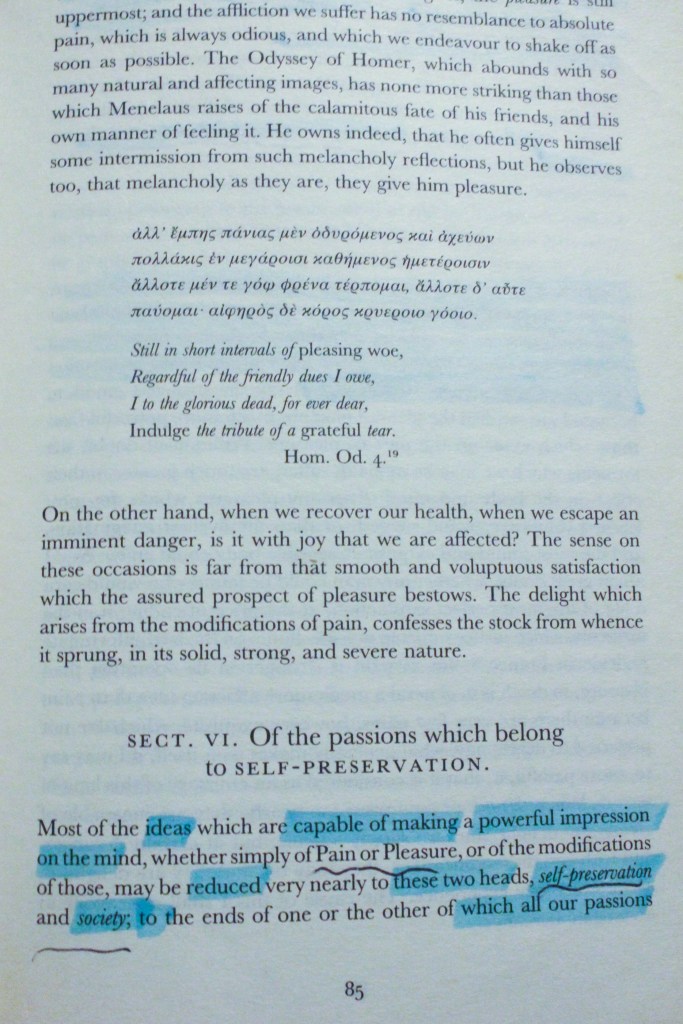
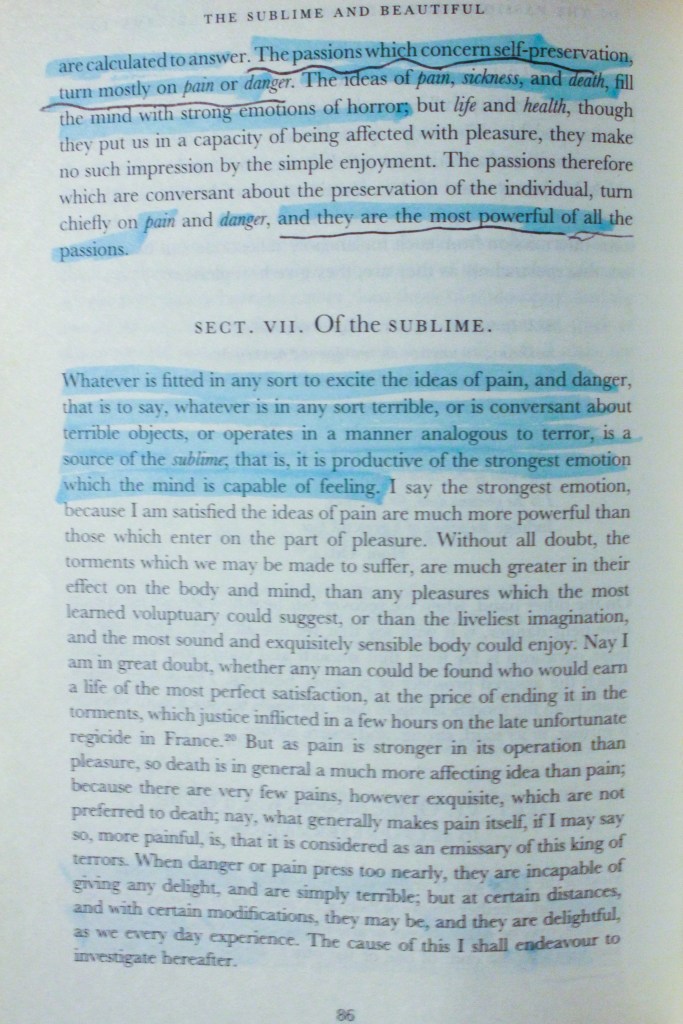
Edmund Burke, ‘A Philosophical Enquiry into the origin of Our Ideas of the Sublime and Beautiful:


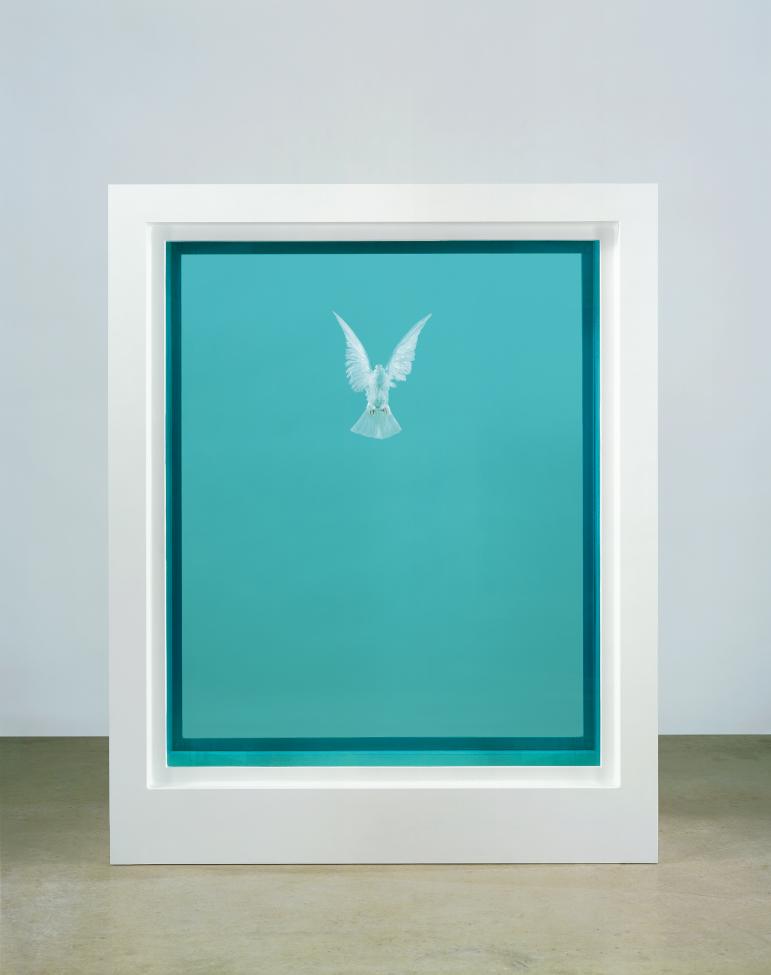
Glass, painted aluminium, silicone, acrylic, stainless steel, dove and formaldehyde solution
Formaldehyde
The Incomplete Truth (2006), by Damien Hirst encouraged me to explore how duality can be symbolically represented: The dove preserved in formaldehyde conveys ironic tension between freedom and constraint as although it is suspended in an action of flight, it is in a state of physical stasis.
Workshop Challenge: Process

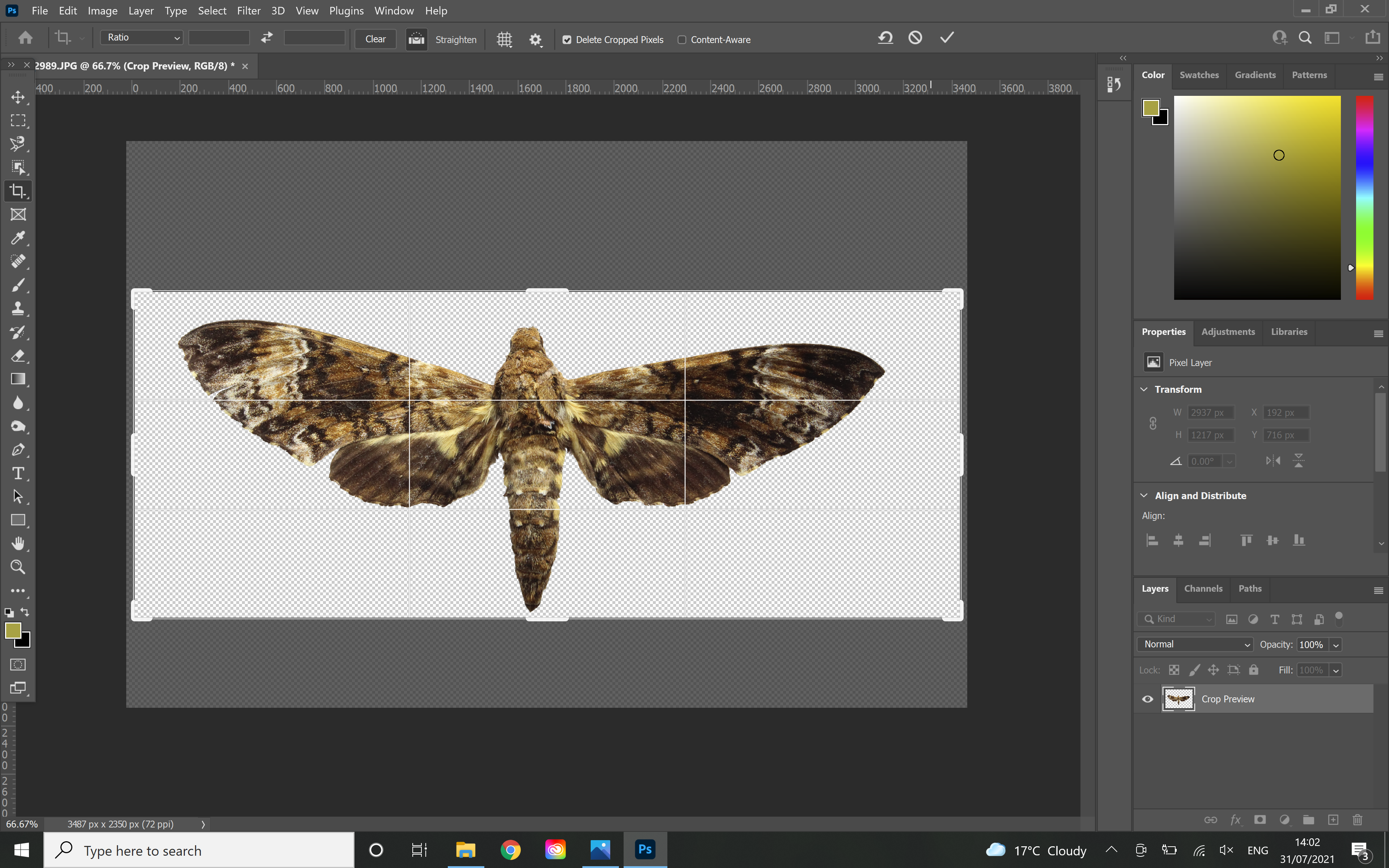
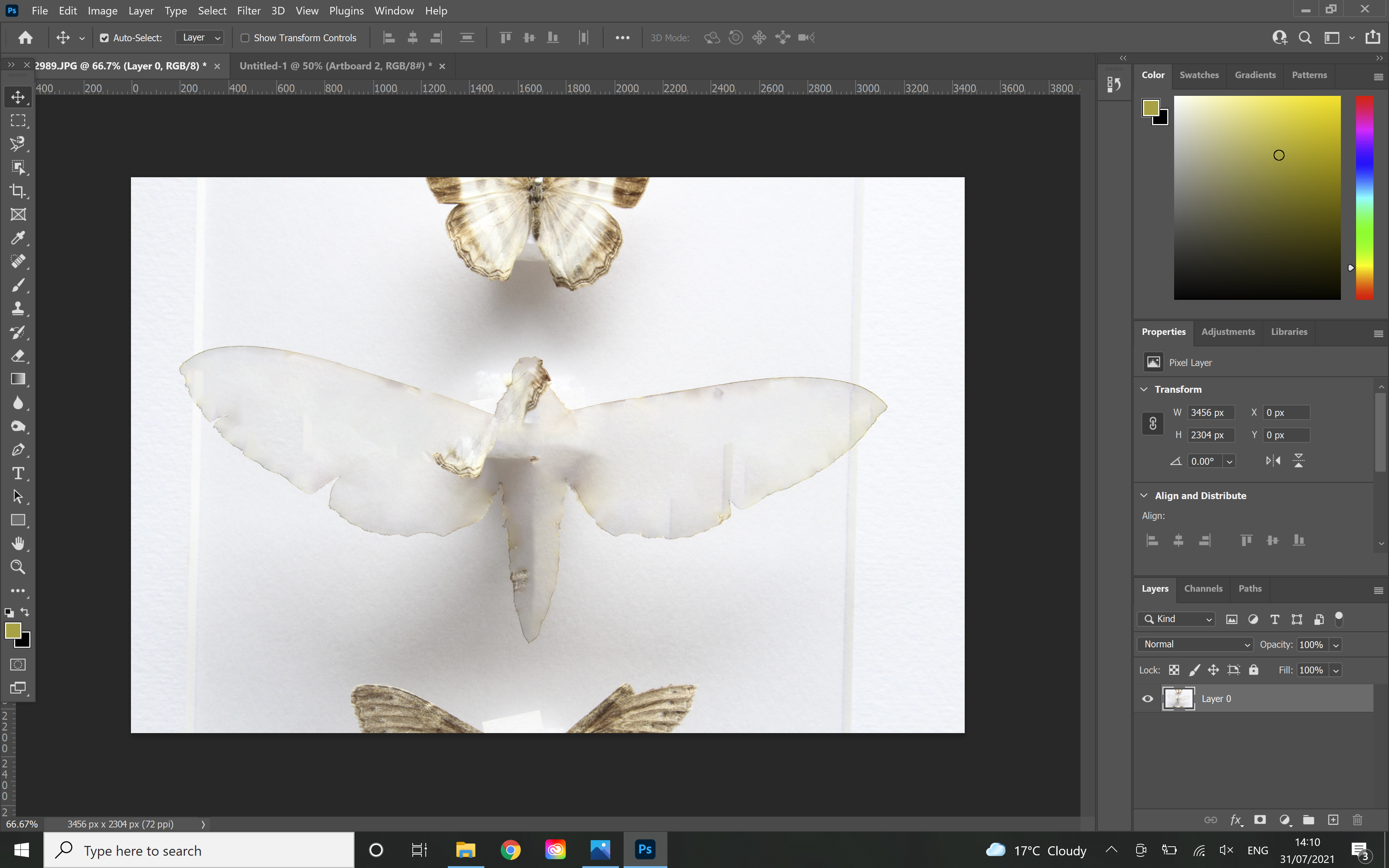
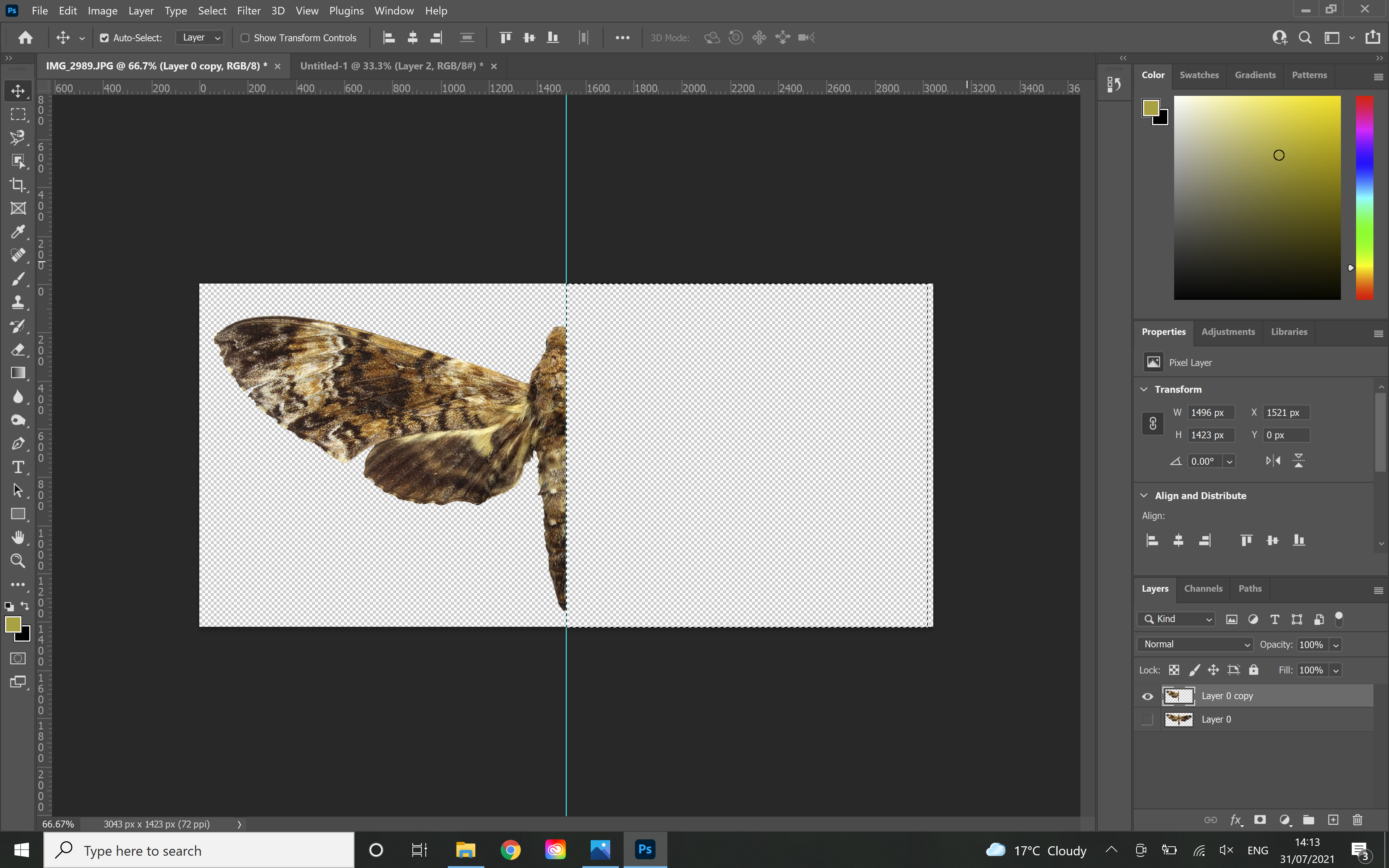
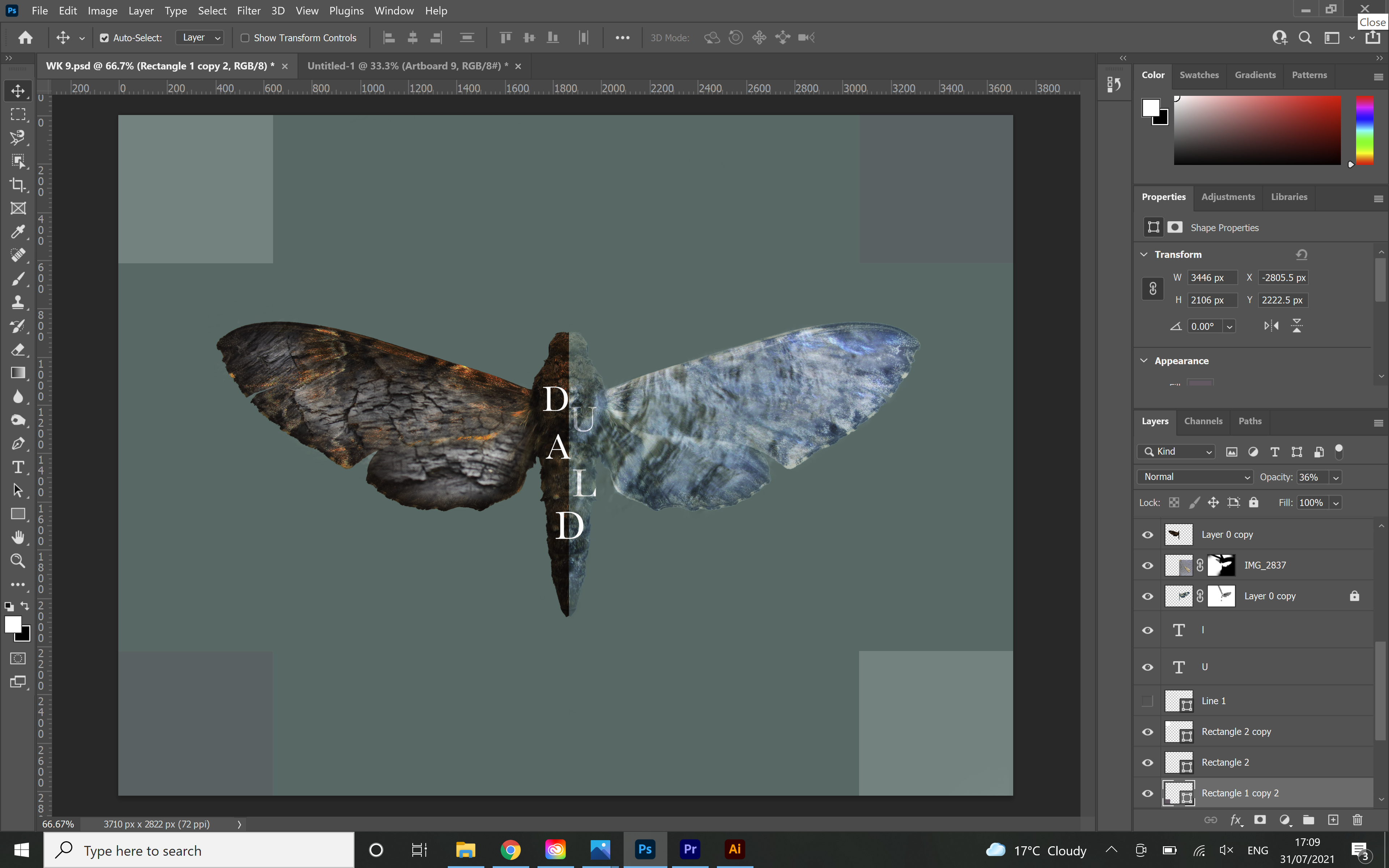
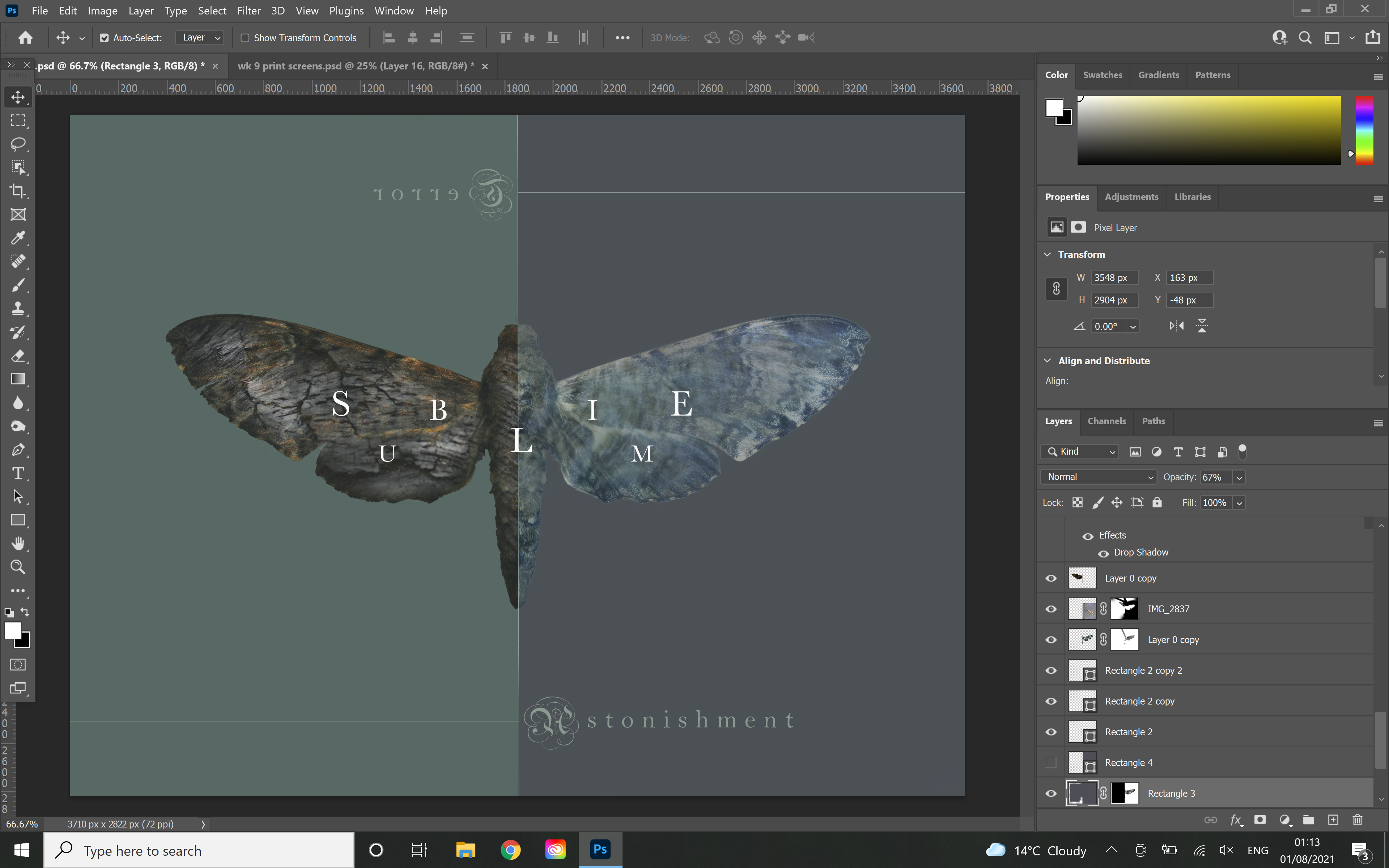
Preserved moth from entomology collection, inspired by first hand research, themes of asymmetry, conflict and opposition, in addition to freedom and limitation.
Development





First Outcome:

Critical Reflection
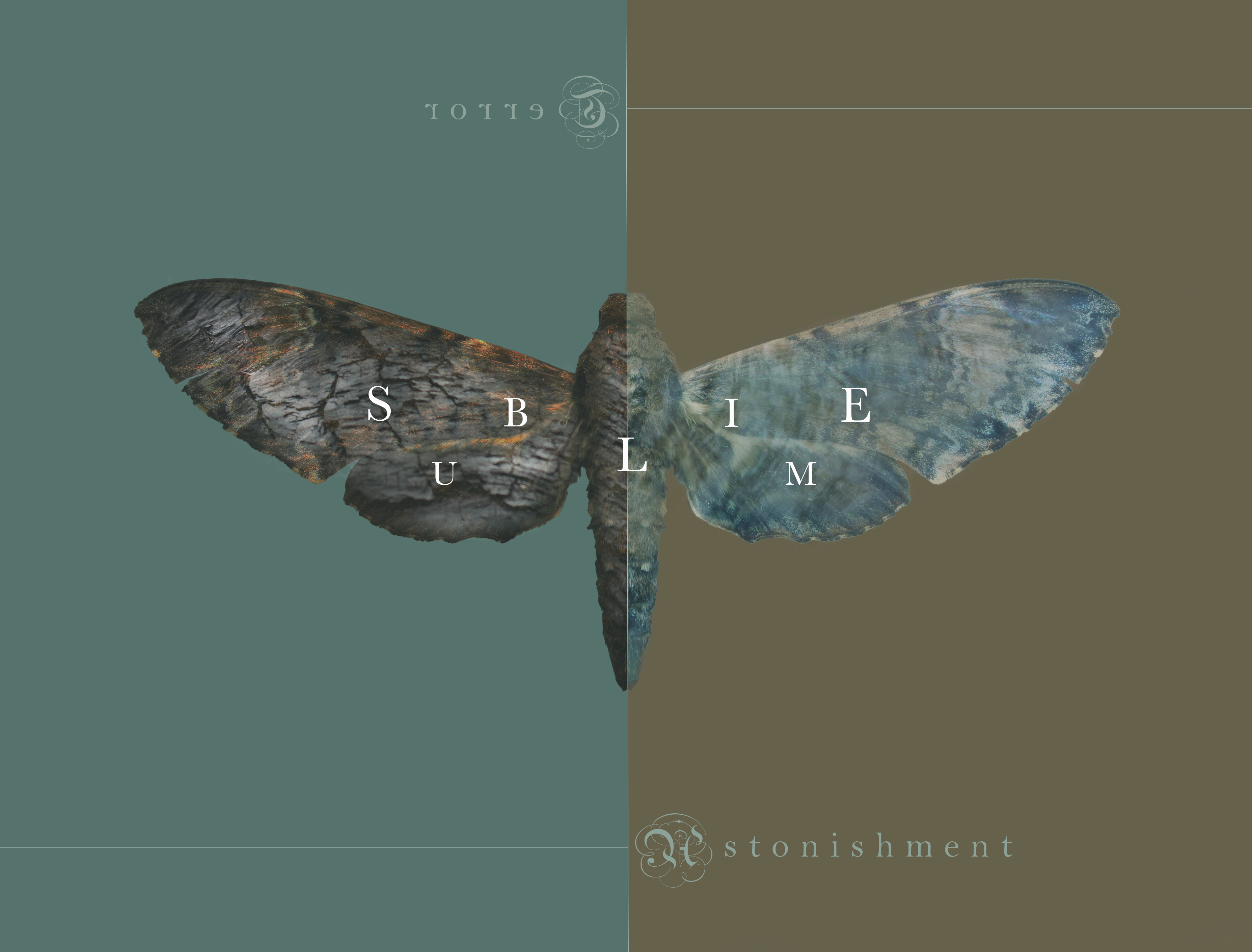
Being located in a rural area in the Staffordshire Moorlands, the natural ancient landscape inspired for me a plethora of emotions with conflicting patterns. For example, awe of the natural landscape was balanced by the misanthropy experienced considering the destructive impact of human behaviour, as seen in the devastating forest fire at The Roaches, a primitive natural beauty spot of gritstone boulders and forest, caused by a summer barbeque.
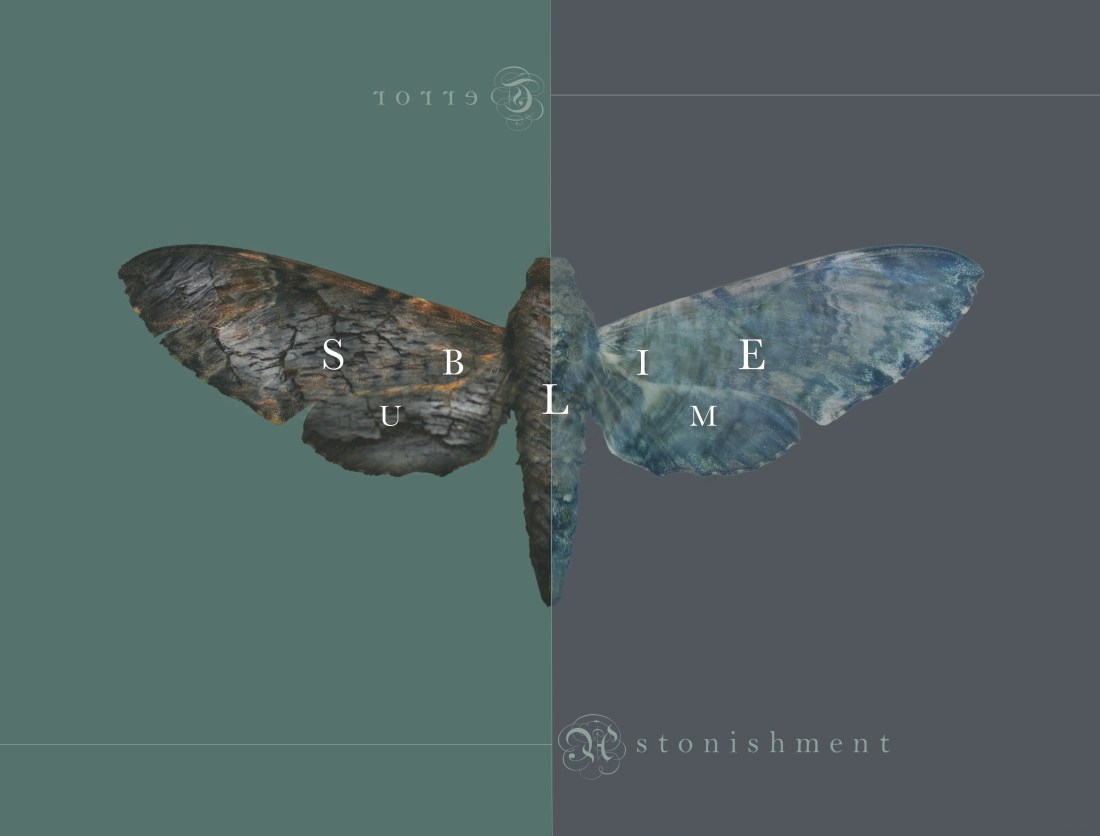
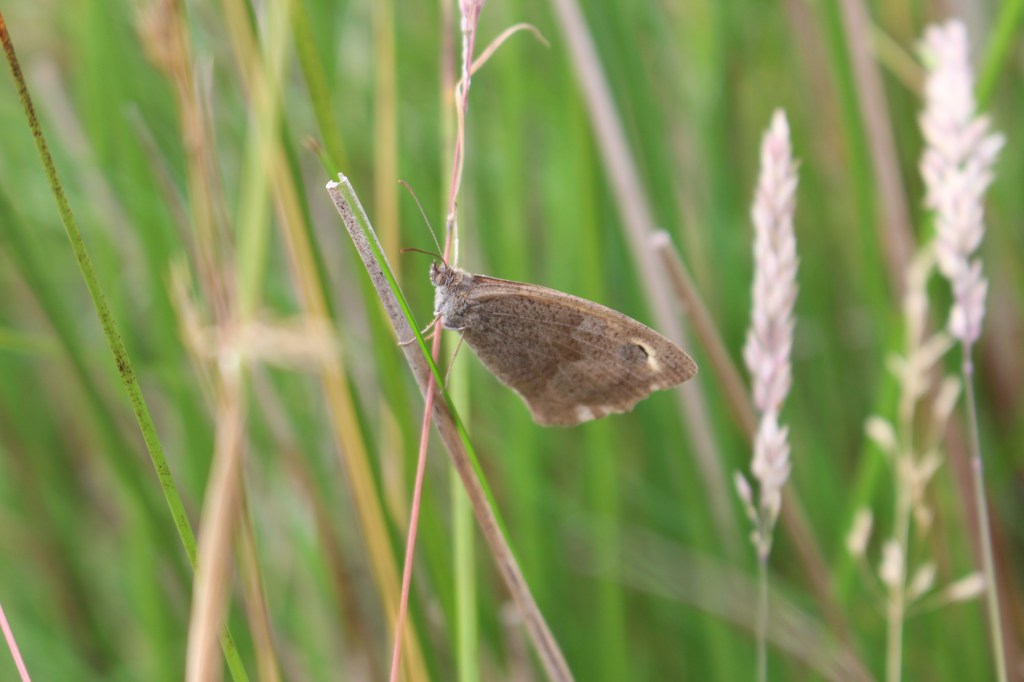
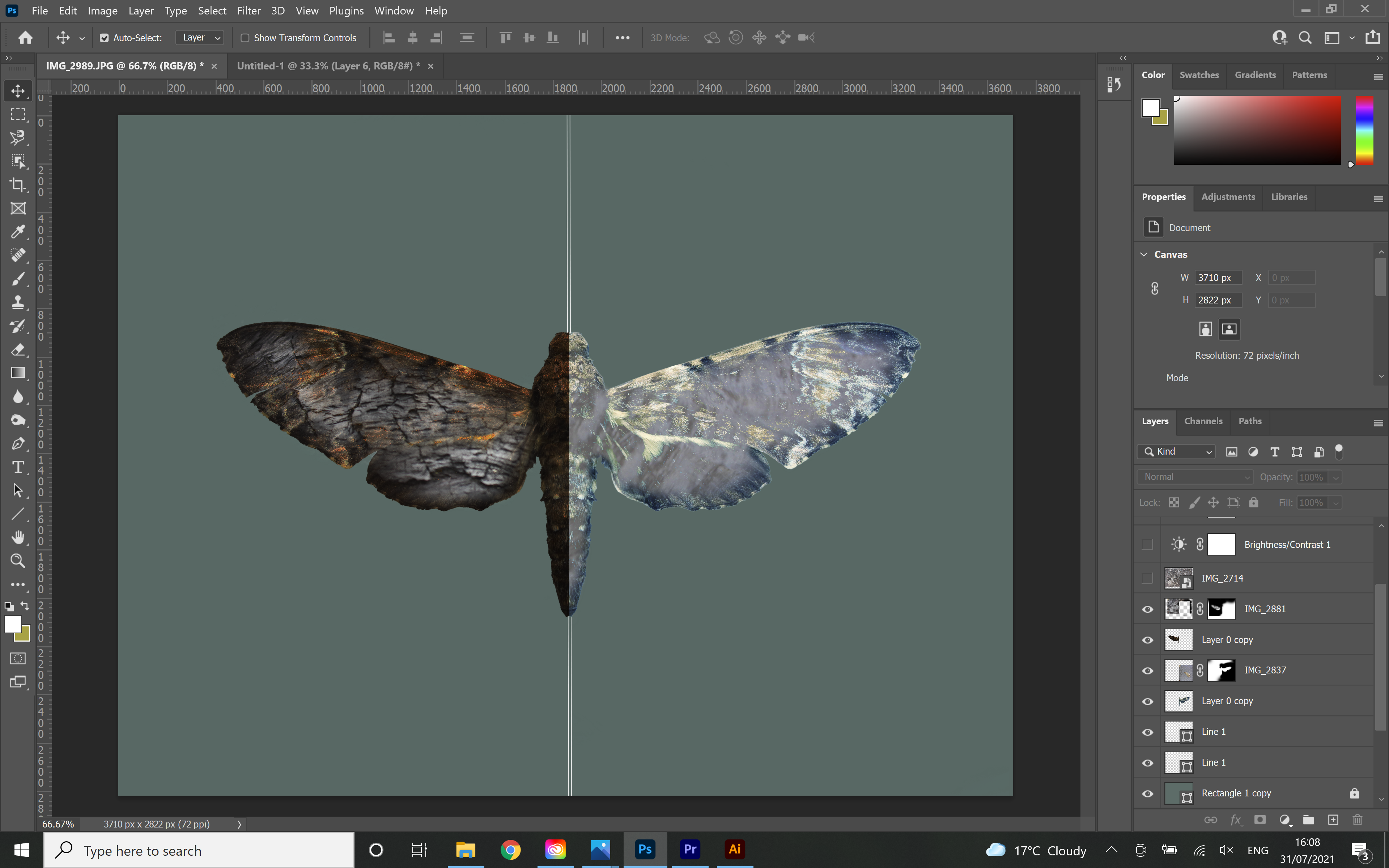
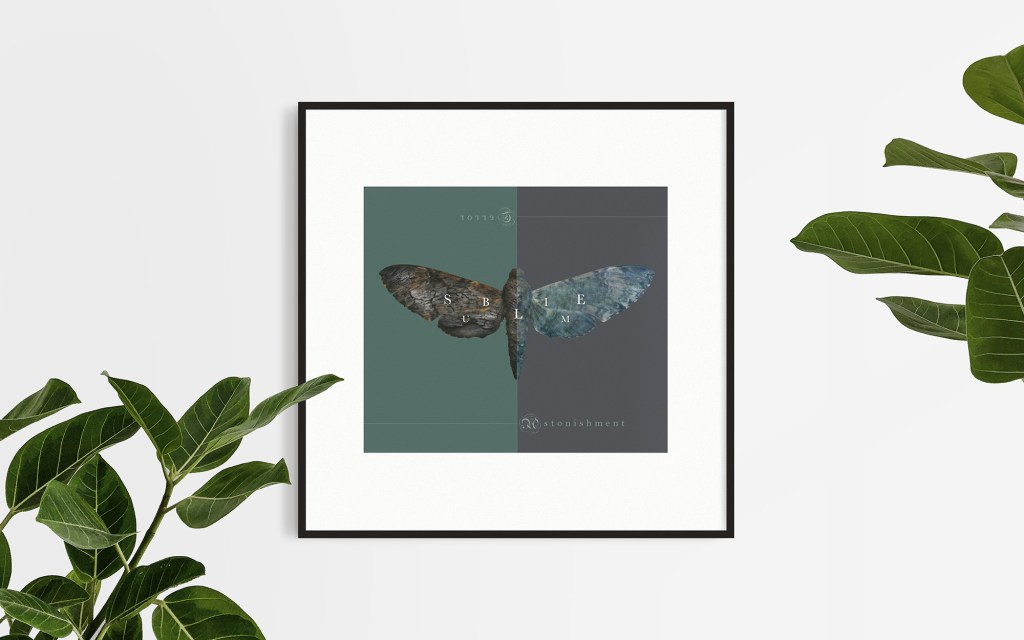
The prevalent emotion for me in response to my local area was the Sublime: Informed by Edmund Burkes ‘A Philosophical Enquiry into the origin of Our Ideas of the Sublime and Beautiful: The experience of the sublime relies on juxtaposing emotions of ‘astonishment’ and ‘terror’ with specific reference to the ‘self-preservative’ instinct. This enabled me to explore design solutions, communicating emotional conflict through the symbolic juxtaposition of fire and water. The symmetry of the moth was inspired by the wildlife observed at the nature spot, however was also used to reference an underlying juxtaposition between the freedom inspired by nature and the isolation and limitation of living in a more remote area.
Final Outcome

Evaluation
I was initially planning to experiment with this idea as a video, however I became engrossed by the process of digital photographic manipulation as the static outcome reminded me of the juxtaposed themes of freedom and constraint in Damien Hirst’s ‘The Incomplete Truth’. The use of traditional serif and black letter parchment typeface references the cultural, historical context of Burke’s published analysis of the sublime and its prevalence in gothic and romantic art and literature. I feel that the medium of photography and digital manipulation appropriately references the organic processes and textures of the visceral landscape whilst communicating my own sensory experience of it. Although this design works well as a stand alone illustration print, if I had more time I would like to explore how it could be developed into a video using masks and video taken from the Roaches.

 CATHY DAVIES