Lecture: Noticing the Ignored, Susanna Edwards
- How do I use the unnoticed?
- How do I use recording tools to capture information?
- How can you really look at something from multiple ways of seeing?
- How can you capture and record in multiple ways?
John Berger, Ways of Seeing
“Seeing comes before words. The Child looks and recognizes before it can speak. But there is also another sense in which seeing comes before words. It is seeing which establishes our place in the surrounding world; we explain that world with words, but words can never undo the fact that we are surrounded by it. The relation between what we see and what we know is never settled.”
- Spinosa: philosophy: Dualism, between the existed being on one hand material and spiritual exist as a whole
- Telescope and microscope – technological discovery
- Drawing is a constant correcting of errors – perception vs reality
- The book is about ‘Looking at the actual word in which we live today which is horrific in many ways and of course at moments, incredibly beautiful’
- The relevance of Marxism: informs understanding of contemporary culture and the future: the decisions made today all in the name of ‘ever increasing profit’
- ‘Story tellers… can be very dangerous’: ‘If I’m dangerous to those who run the new economic order, “I’m proud of that”
The Society of the Spectacle, by Guy Debord.
- The Situationist International (SI) 1957 – 1972: international organisation of social revolutionaries made up of avantgarde artists, intellectuals, and political theorists, prominent in Europe from its formation in 1957 to its dissolution in 1972
- Situationist: denoted activity that aimed at making situations, – moment of individuals life
- Alienation in society was a result of the domination of the individual by the mass media and consumerism
- 2 techniques: the derive the drift – pulled in or repulsed by things in the city
- Concepts – unitary urbanism -integrated city creation
- Psycho geography – play is free, creative activity
- Lived experience had been turned into spectacle – desire into spectacle
- Recapture and transform everyday life – capitalist societies complimented increasing fragmentation of everyday life
“In societies where modern conditions of production prevail, all of life presents itself as a mass accumulation of spectacles. Everything that was directly lived has moved away into a representation. The spectacle is not a collection of images, but a social relation among people, mediated by images.”
Critical Reflection
The SI movement was a reaction against consumerism driven capitalism, the cultural origins of which were explored in Wk 4’s theme ‘the self’ which gave me the opportunity to explore Edward Bernays’ revolutionary psychoanalytical influences within advertising. Concerned with the commercialisation of the art world, commodification of goods and the ‘apathy of modern urban life’, SI sought to dismantle society’s economical relationship with and perception of art, by negating it in order to ‘realise it’. They were interested in the construction of moments of life, ‘replacing passivity and doubt with playful affirmation’ and aspired to ‘make of daily life a creative continually original ecstatic experience’. John Berger’s opinion that Marxism informs contemporary culture by highlighting the ongoing decisions made today ‘in the name of ever increasing profit’ is reflected in the SI critique of the modern image saturated capitalist market.
The function of ‘detournement’ – refusal of original creation – allowing people to see the word in new way is described as “turning expressions of the capitalist system and its media culture against itself” by Douglas B. Holt (2010) in Cultural Strategy Using Innovative Ideologies to Build Breakthrough Brands. Oxford University Press. p. 252. In relation to the workshop challenge, this recycling/ manipulating of images exposes the unseen/ hidden meanings by creating new perspectives and contexts rather than new/ original images, as is also discussed by John Berger in Ways of Seeing (Episode 1) regarding reproduction and how presentational contexts alter perception.
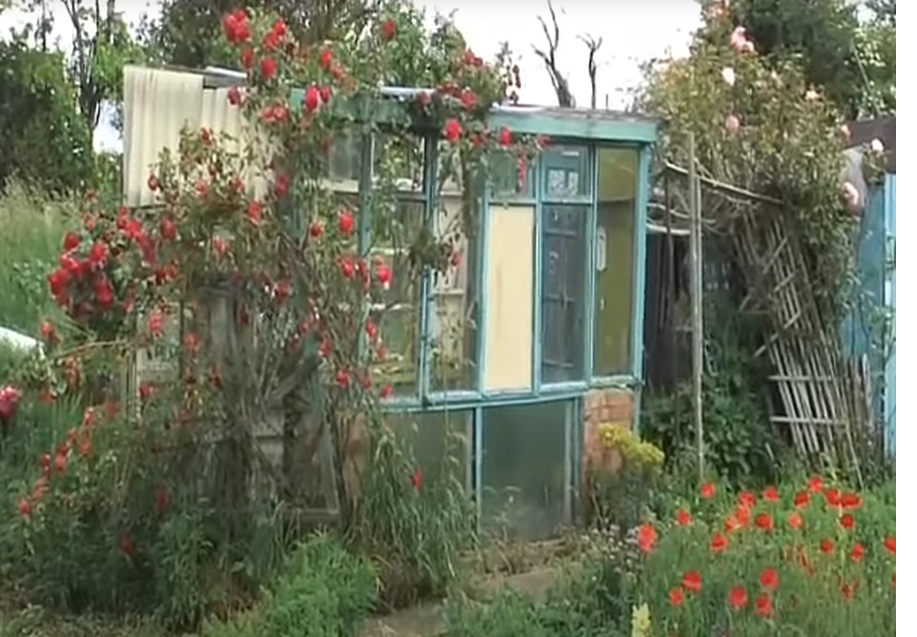
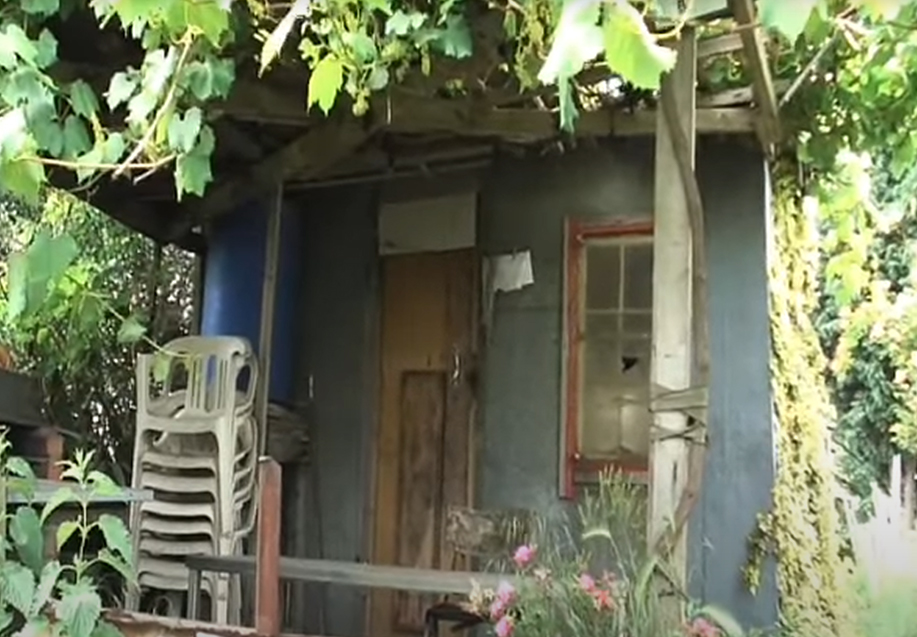
Memo Mori, a journey through Hackney tracing loss and disappearance, made by both Emily and Iain in 2009.
Critical Reflection:
I was really inspired by Hackney’s poetic, anthropomorphic perception of the allotment huts as a ‘a series of wonderful sculpture and self portraits’ which in the absence of people were ‘humanised by sad roses and thorns’. The condition of human absence exemplifies how context can meaningfully reshape individual perception, as discussed in John Berger’s ‘Ways of Seeing, Episode 1’. In the same way, political and situational context contributes to the tragic irony of the huts, constructed from war time concrete bunkers and other historically loaded artefacts, which were due to be demolished in the name of national Olympic ‘legacy’. Information provided regarding their origins greatens the tragedy by shrouding them in images of human resilience, survival, and the reconstruction of cultural identity. Thus, Hackney described the location as a ‘tremendous human reservoir’, an example of ‘survivalist architecture’ with personified qualities of ‘nutty spirit’ and ‘rustic charm’. Hackney’s use of symbolism and metaphor has inspired me to think more widely and imaginatively about the ‘unnoticed’ objects in my local area in relation to the workshop challenge, and what their underlying meanings can suggest about the society in which they are placed.


Ways of seeing (Episode 1): John Berger
John Burger Ways of Seeing examines the evolution of human perception with specific reference to 1400 – 1900s European art, the process of seeing and the era of reproduction following the invention of the camera. The 1928 film man with a movie camera, directed by Dziga Vertov aptly describes the camera as a ‘mechanical eye’ which reveals the ‘unknown’ by facilitating fresh perception of the world such as a horse’s side profile running at full speed. This film strikingly demonstrates how the physical process of reproduction can generate unknown perspectives through strategic use of camera placement and provides visual and technical inspiration to the workshop challenge process of noticing the hidden.
Critical Reflection
The Materiality of Paintings vs Reproduction:
“It’s as if the painting, absolutely still, soundless, becomes a corridor, connecting the moment it represents, with the moment at which you are looking at it … and something travels down that corridor at a speed greater than light, throwing into question, a way of measuring time itself.’”
The physically inertia of paintings enables a more embodied experience of an art object, whereas ‘reproductions distort’ and therefore their meanings/ emotional/ experiential effects are diluted and can be deliberately reshaped. This is evident in The Situationist International’s concept ‘detournement’ which used graphic reproductions to critique the capitalist establishment that created them. The importance of context, both geographically and with regards to compositional arrangement and use of media such as music and narrative, is further examined in examples of scheduled television and religious iconography, the physical composition in places of worship and their spiritual significance in relation to pilgrimage. Is the religiosity of original art a substitute for what paintings lost before the camera made them reproduceable?
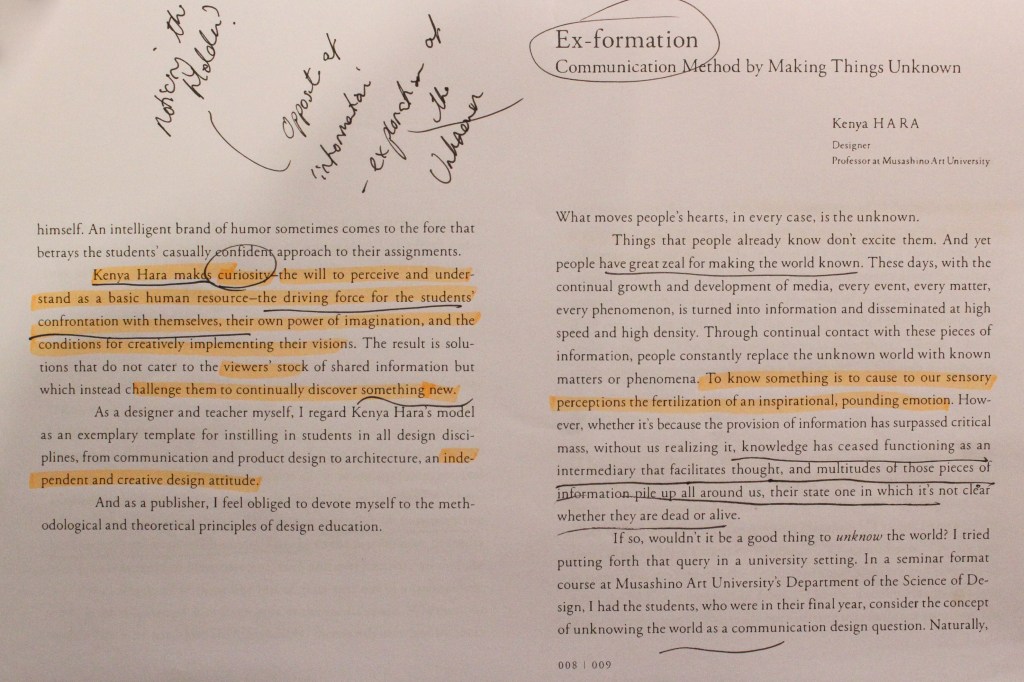
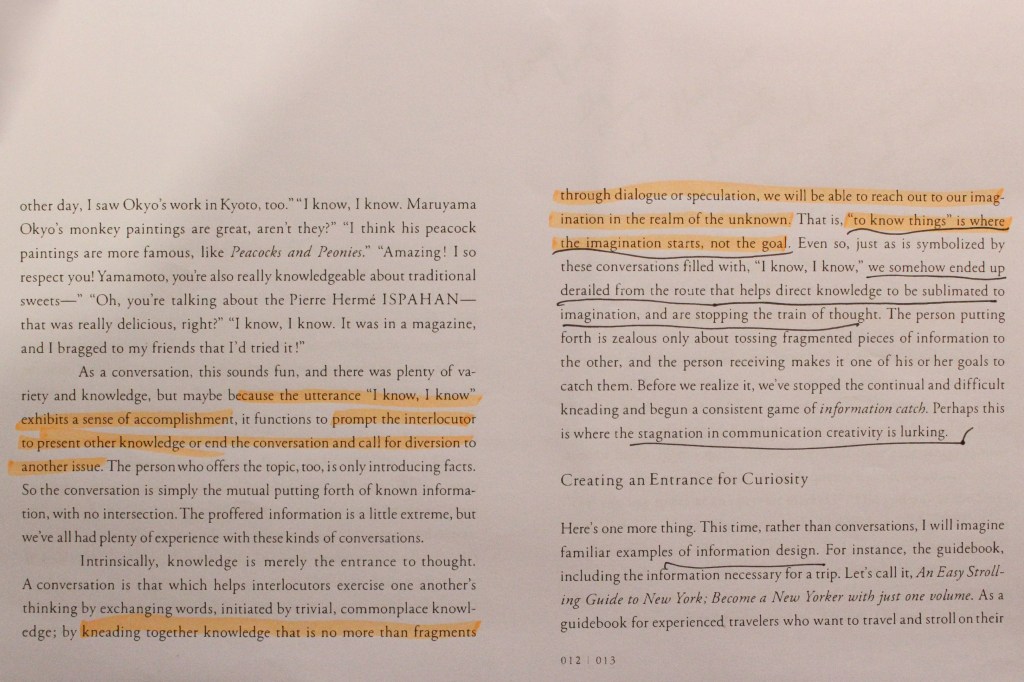
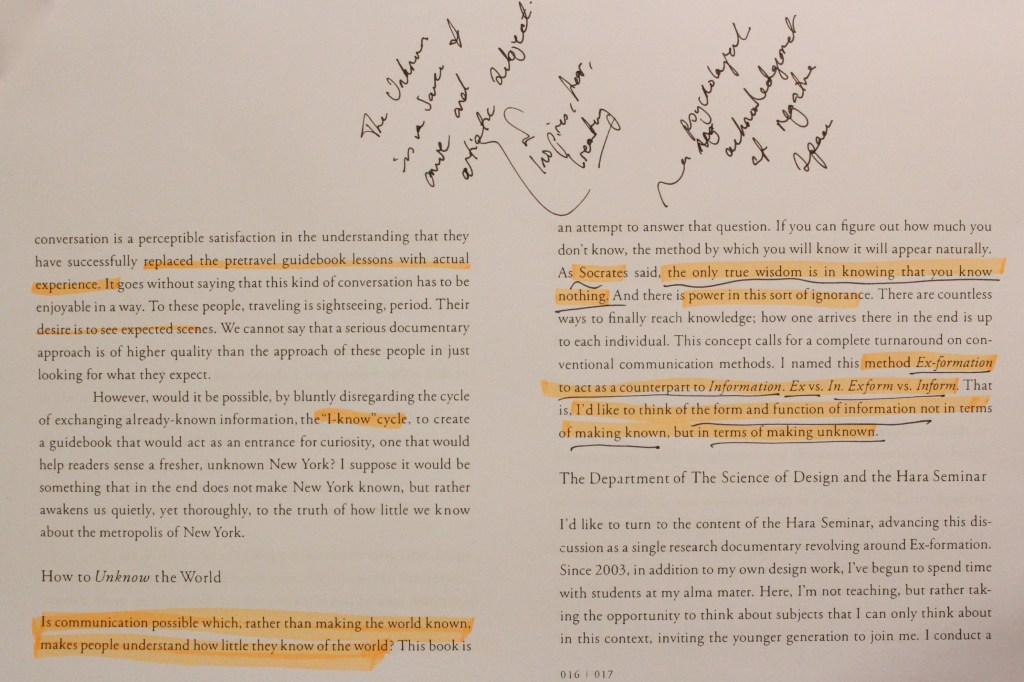
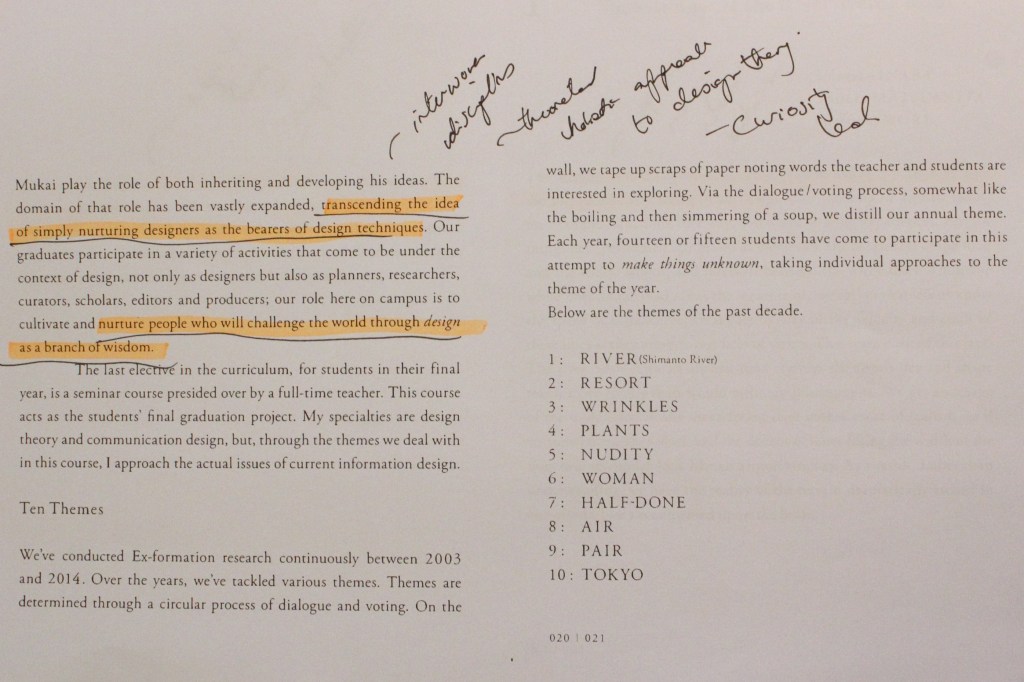
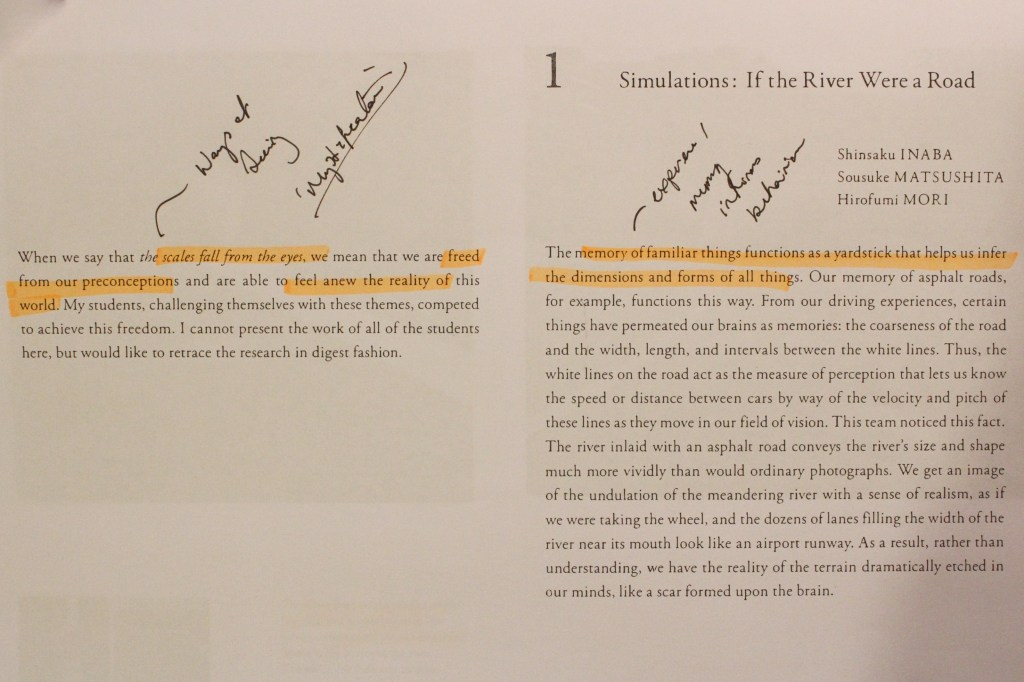
Berger asserts that the process of seeing depends upon habit and convention, arguing that a ‘mystification’ occurs, when raw perceptions are contaminated by the application of words and theory to images. In contrast, children ‘directly interpret images by connecting them to their own experiences’. Having studied art history and theory, I feel that words and theory is necessary to facilitate conceptual and historical understanding, however in the case of noticing the unseen and generating new perspectives, ‘mystification’ exemplifies the creative obstacle that Kenya Hara’s idea of ‘Exformation aims to remove: in the absence of ‘information’ which can prohibit curiosity and unique enquiry, original creative responses can be generated.
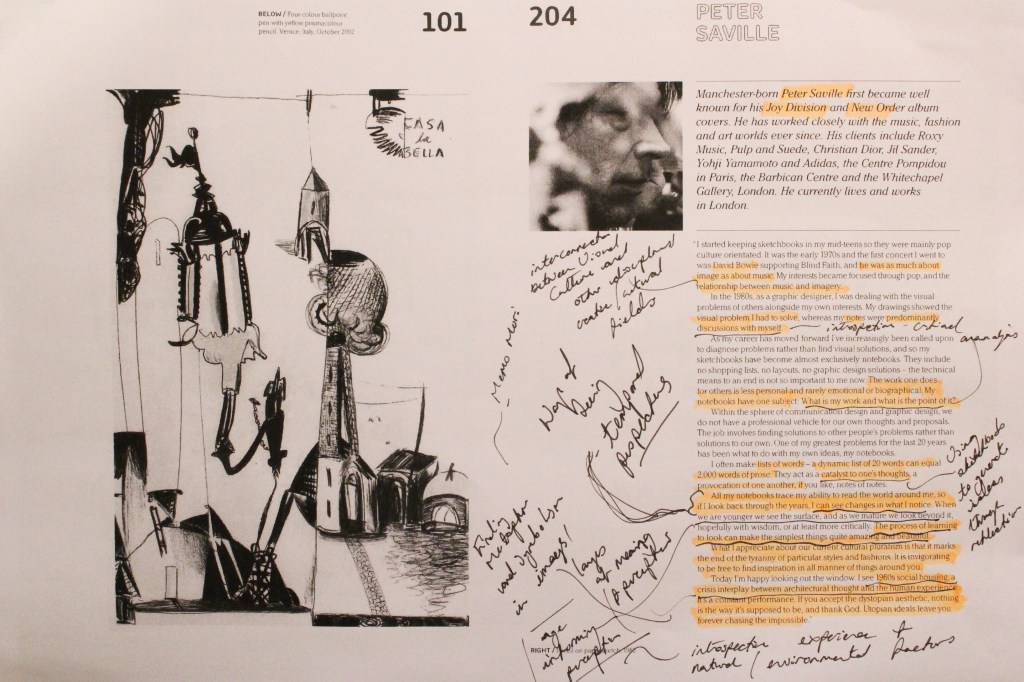
Brereton, R. (2009) Sketchbooks; The Hidden Art of Designers, Illustrators and Creatives. Lawrence King: London.

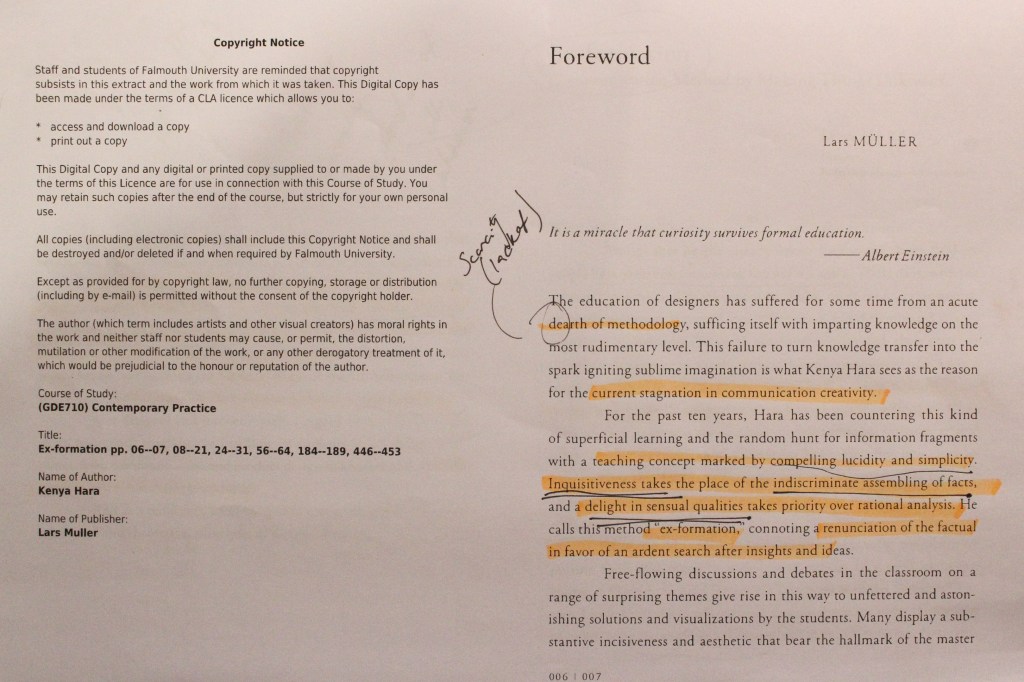
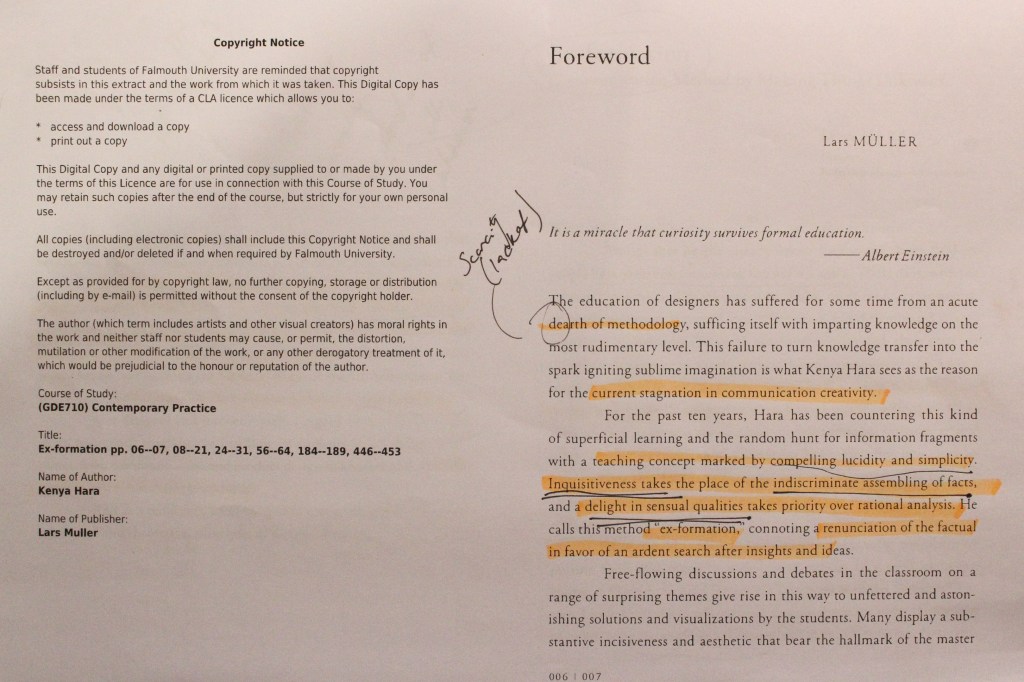
Hara, K. (2015) Ex-Formation, Lars Muller: Zurich

Editorial Design Webinar:

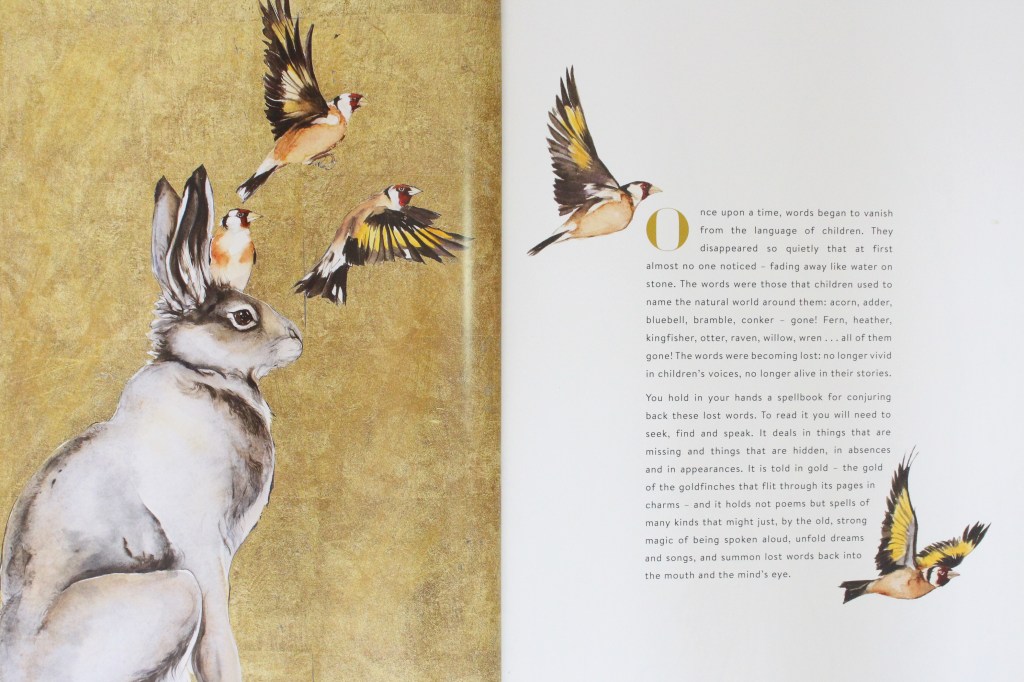

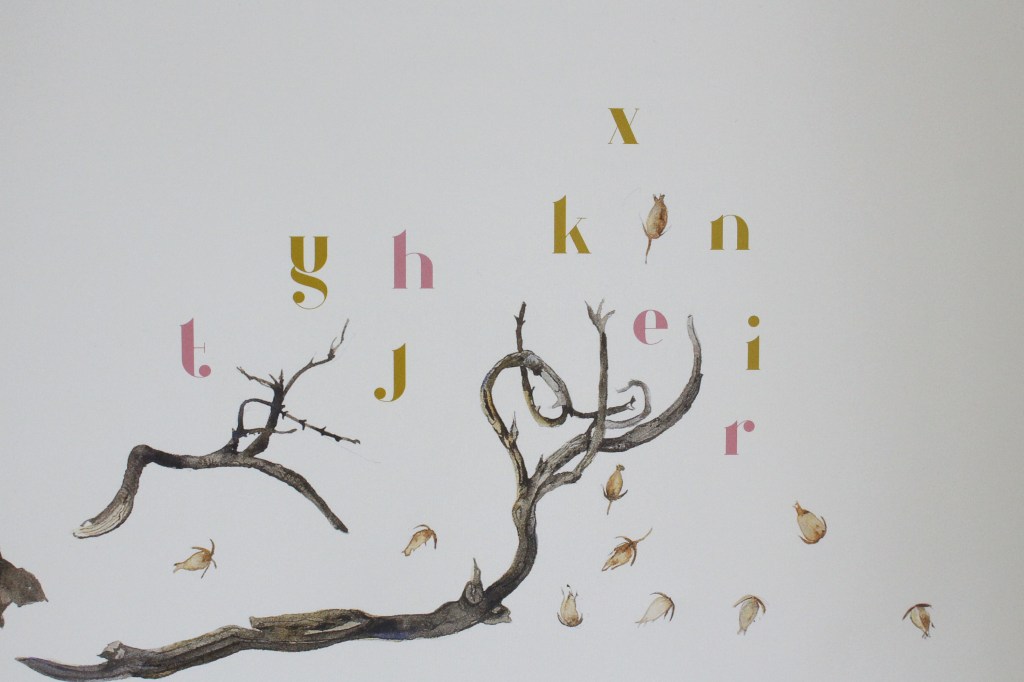

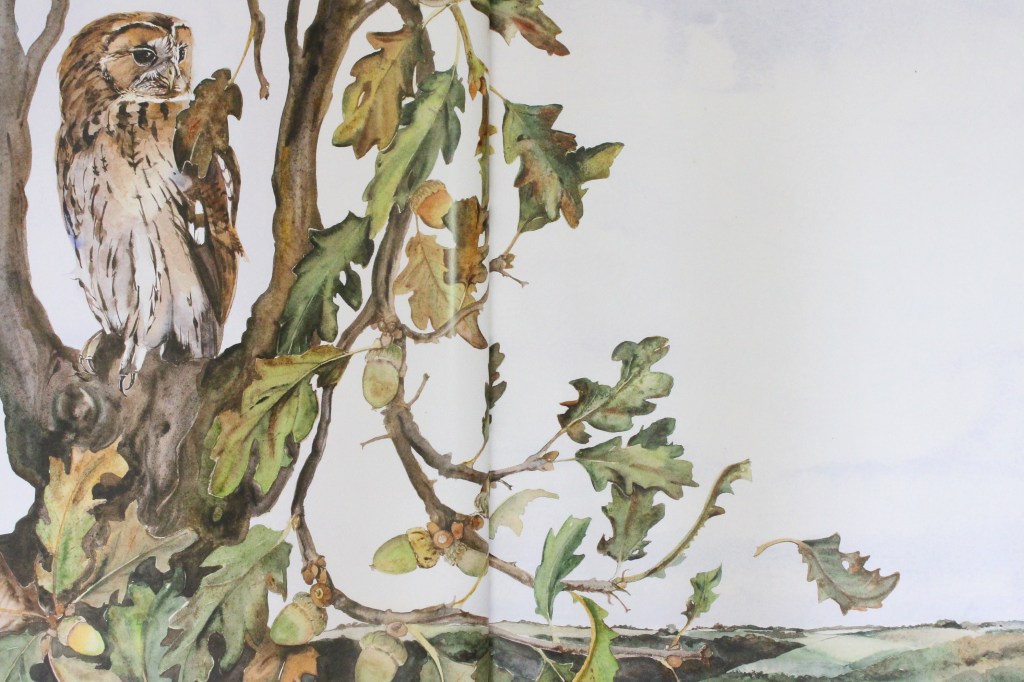
What do you like about the work?
- Illustrative
- Imaginative
- Variety of textures and finishes
What are the formal and technical dimensions that make it successful? (Grid, hierarchy, layout, type, colour etc).
- Layout: Striking full page spreads
- Typography – drop caps, nostalgic reminiscent of traditional story books/ religious texts – connects with a sense of awe in nature – appropriate for poetry book about nature
- Contrast between earthy tones with gold – magic, enchanting
- Arrangement of typography, very simplistic, traditional alignment contrasting with more illustrative arrangement of text to mirror the movements and processes in nature, almost like dispersing of seed.
- Printing finishes – textural
What tone of voice do you think it creates?
- Traditional editorial style of story books and use of colour: feels quite ancient, connects with a sense of awe in nature – appropriate for poetry book about nature
How might it inspire your approach to the design of your studio PDF?
- Inspires me to develop an underlying visual style informed by the workshop challenges
Workshop Challenge
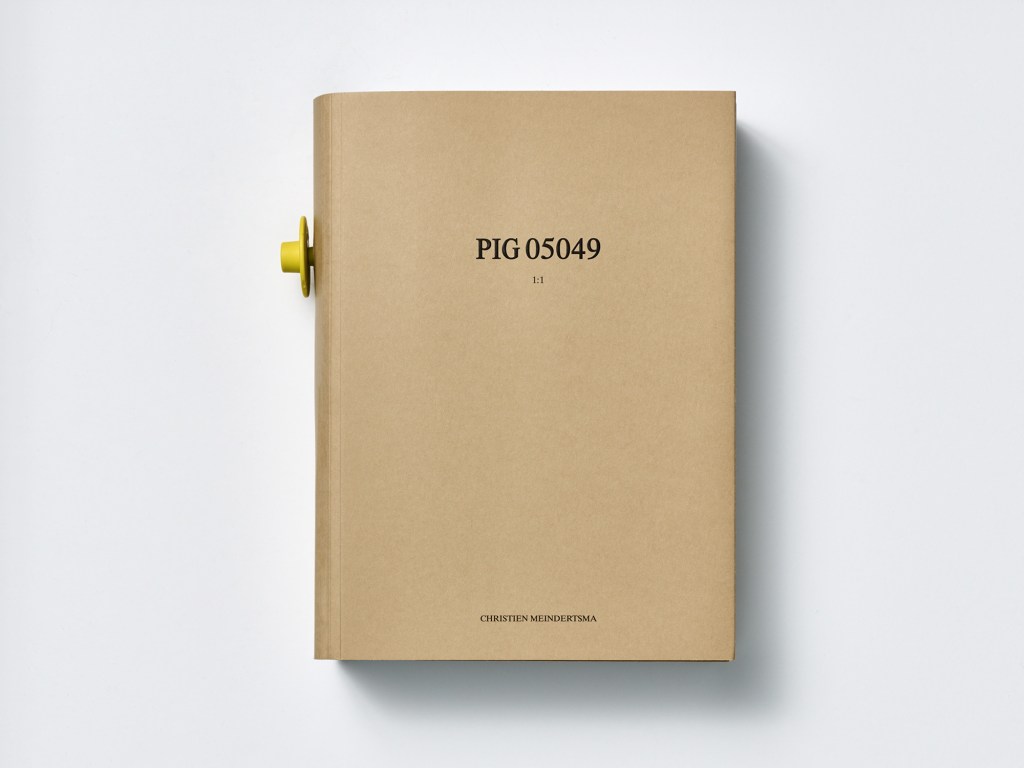
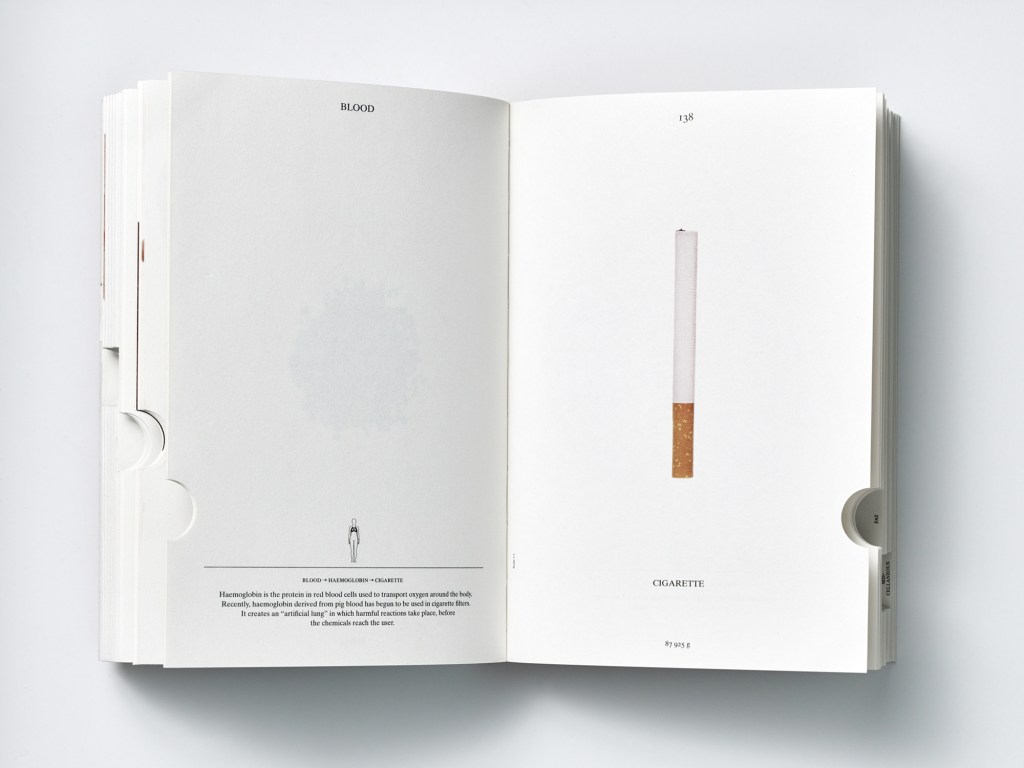
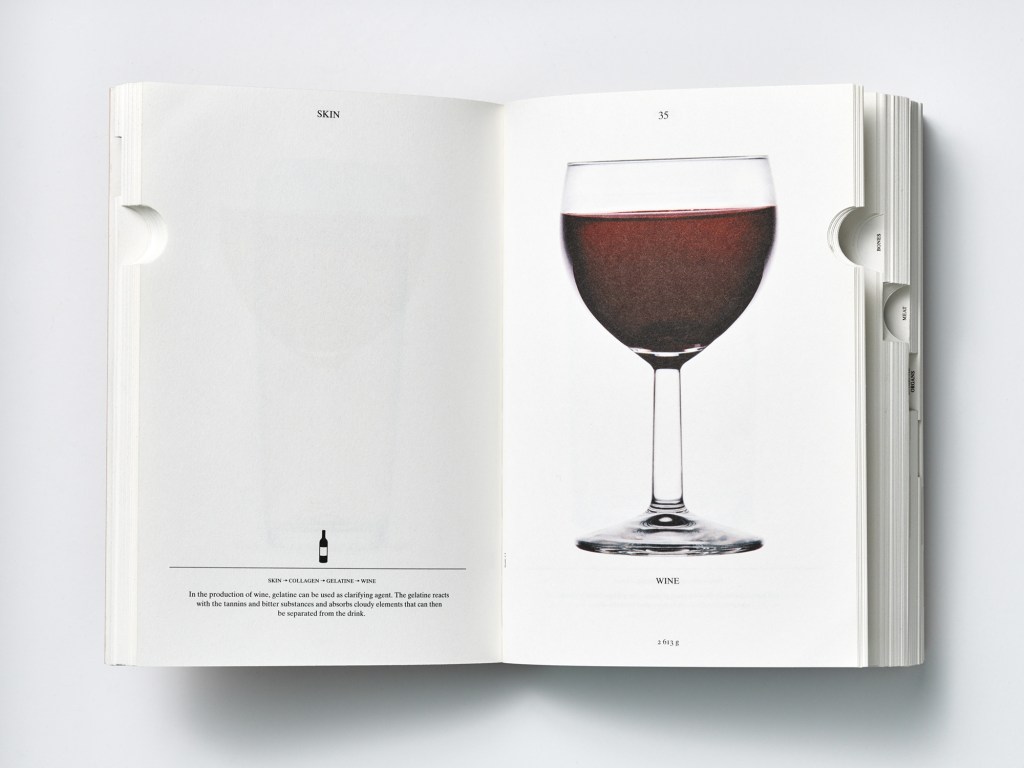
I was really inspired by PIG 05049 as an example of a project that strategically dissects a largely concealed topic. Being passionate about animals and the discussion around ethics and animal use across various industries, I found the book informative as well as poignant and meaningful – particularly after studying Edward Bernays’ influences of the era of consumer ‘desire’ driven capitalism and becoming interested in the ethical relationship between products and marketing.
I liked the conceptual approach, representing PIG 05049 as an individual, dethatched and almost commemorated by the products that his body was used to create. Thinking of the pig as a species, on mass creates cognitive dissonance, giving us the ability emotionally and psychologically detach from the idea of the pig’s individual experience. From an animal rights perspective, the book feels like an ode to the pig, highlighting the ways in which consumer driven capitalism commodifies life in order to produce products that we don’t necessarily need. This study inspired me to consider a socially responsive approach to the workshop challenge and explore ideas in isolation that motivate my own practice.


Exploring Photographic Recording
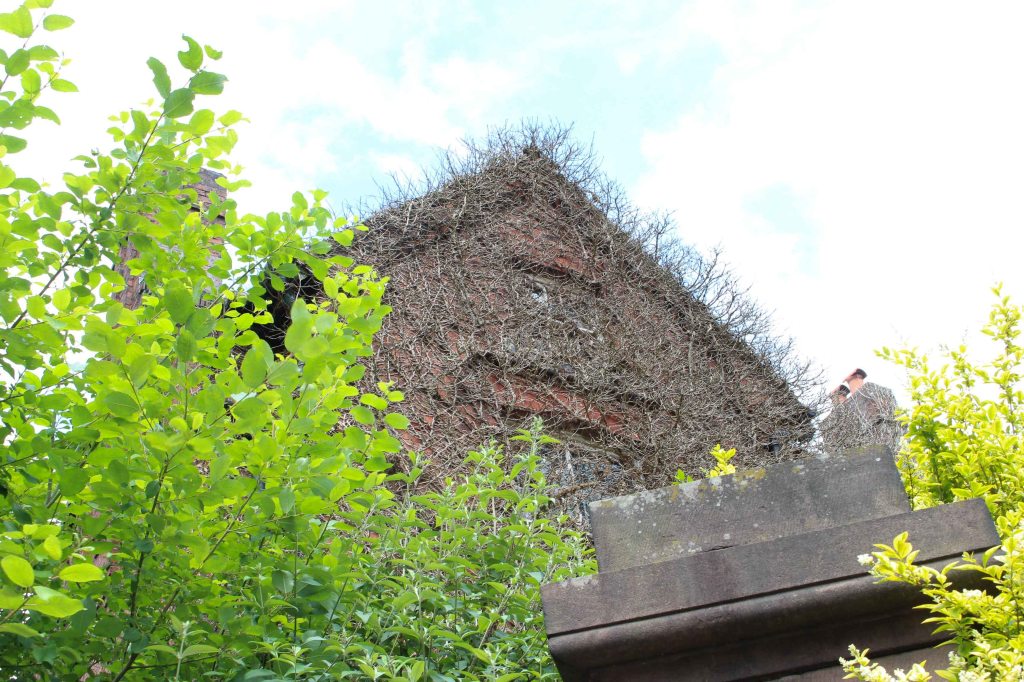
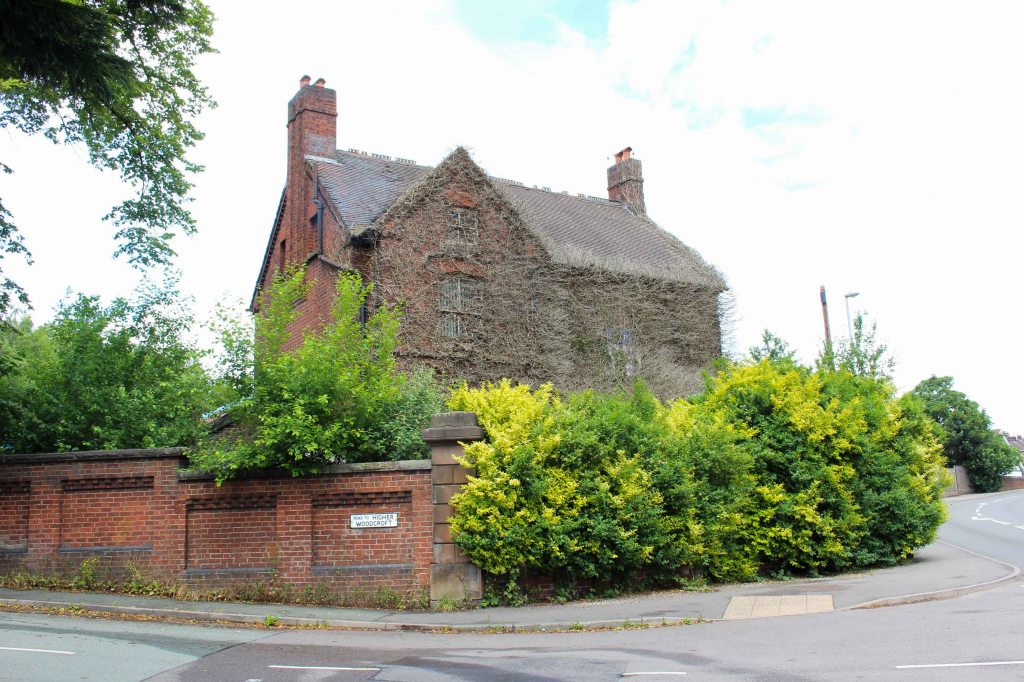
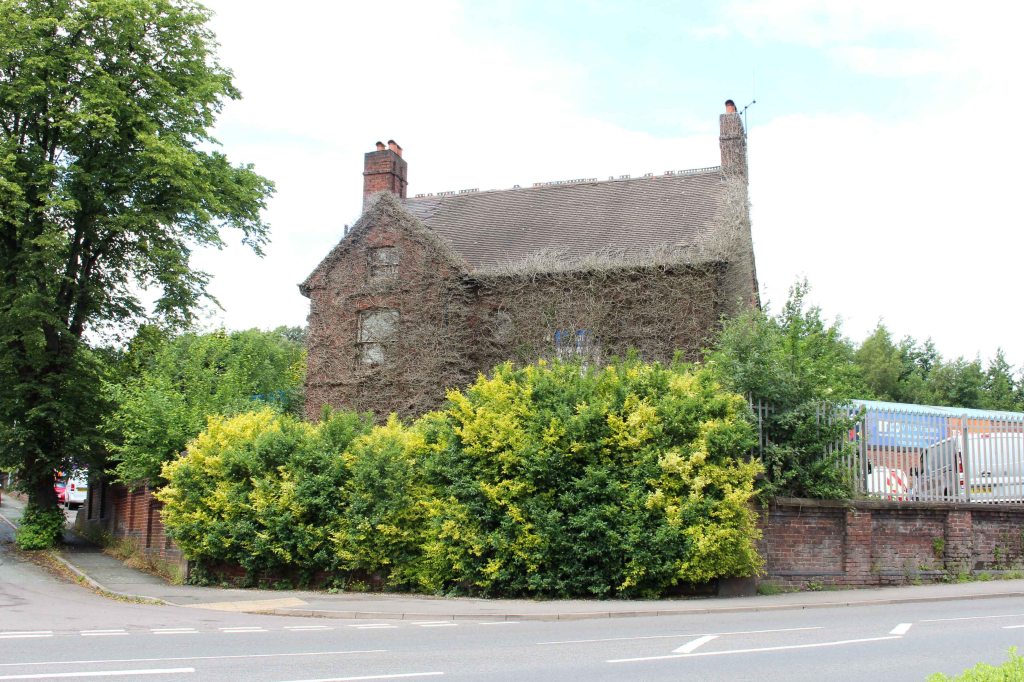
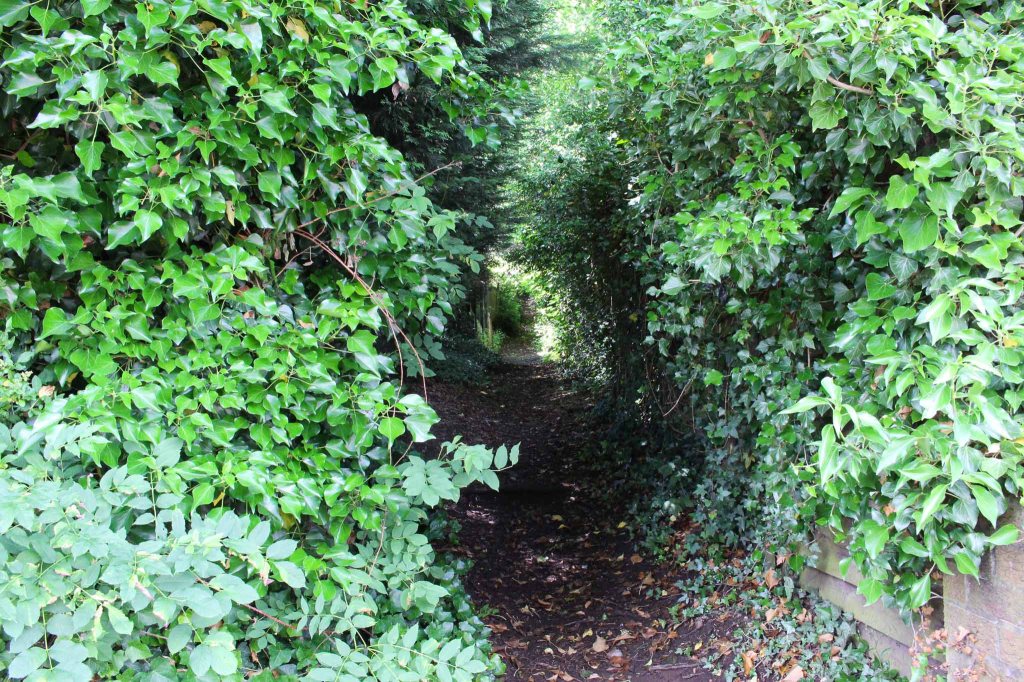
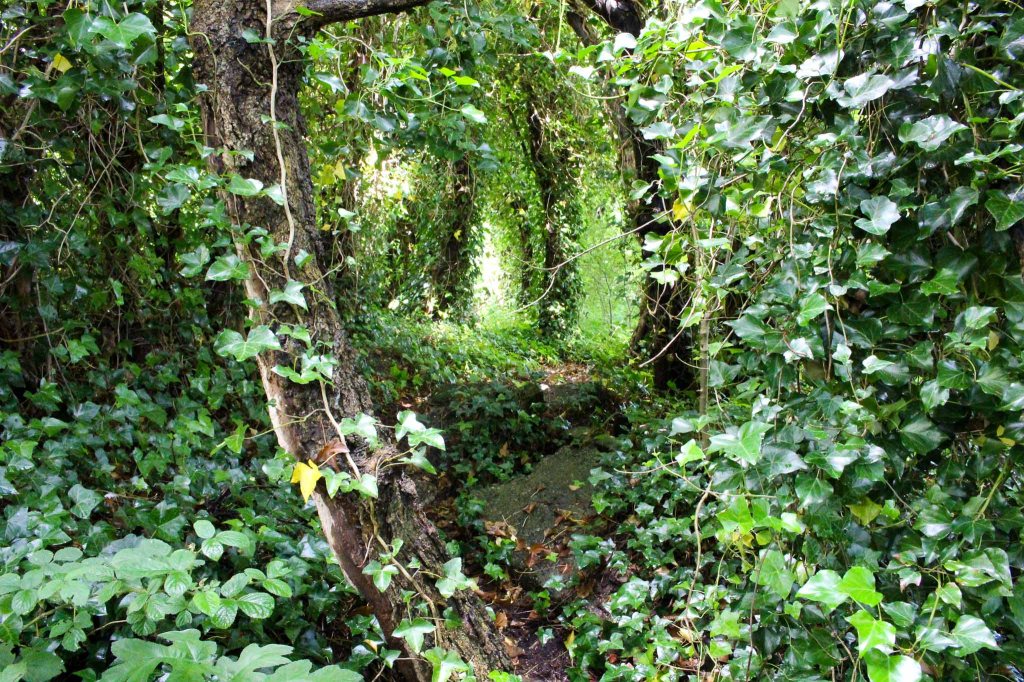
This abandoned house at the end of my street is gloriously overgrown with ivy and an assortment of climbing plants. Although it faces the main road, it feels camouflaged into the surrounding foliage which creates a sense of mystery and sympathy whenever I walk past it – if I even notice it at all. I mostly notice it when the seasons change and it is covered in foliage. The way that nature has reclaimed this abandoned, inert piece of architecture gives it a sense of personality and uniqueness. Although hidden and unnoticed, when you experience and study it over time, it has a sense of presence. This reflects themes in ‘Ways of Seeing’ of how context and time alter perception.


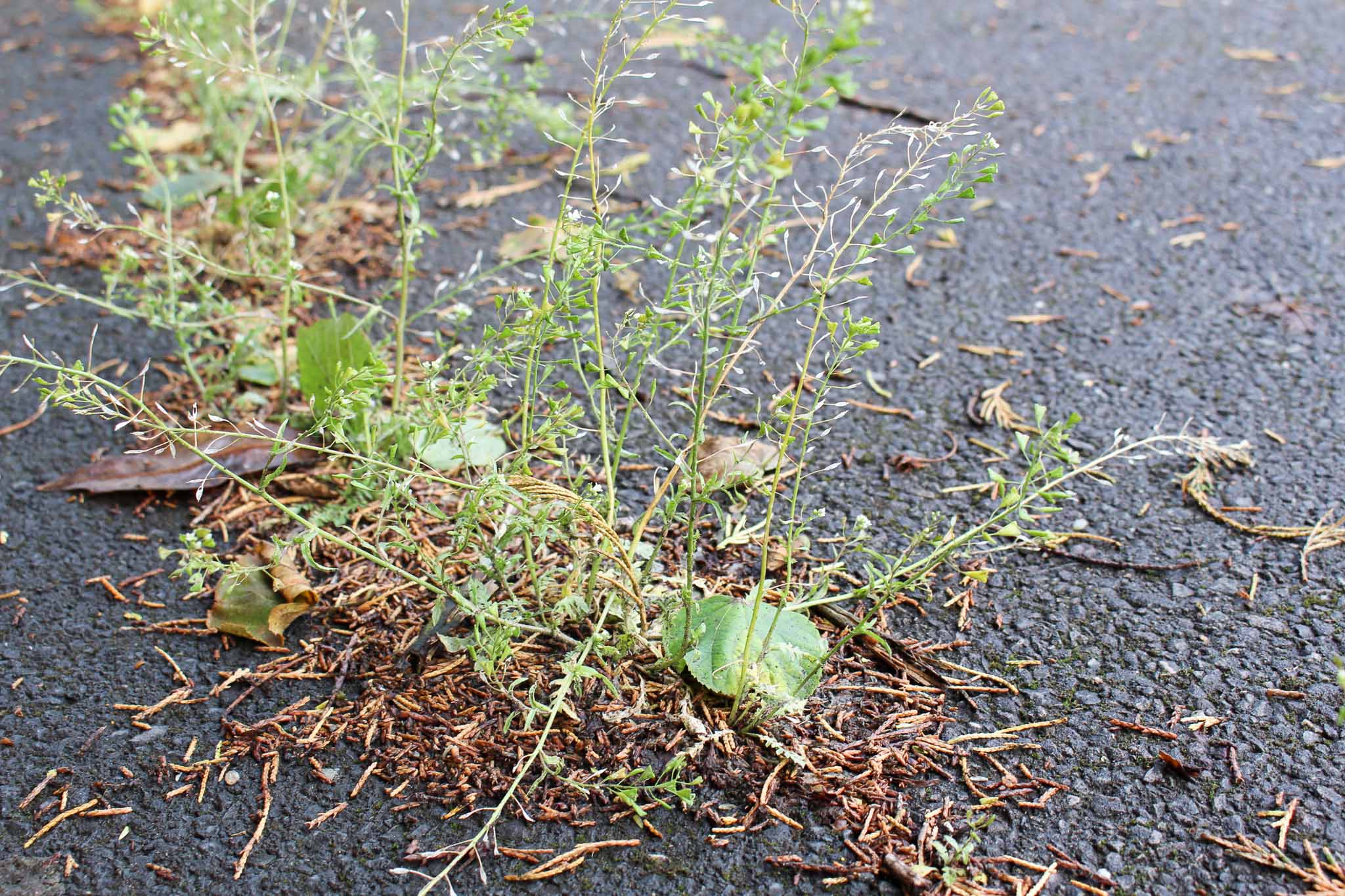
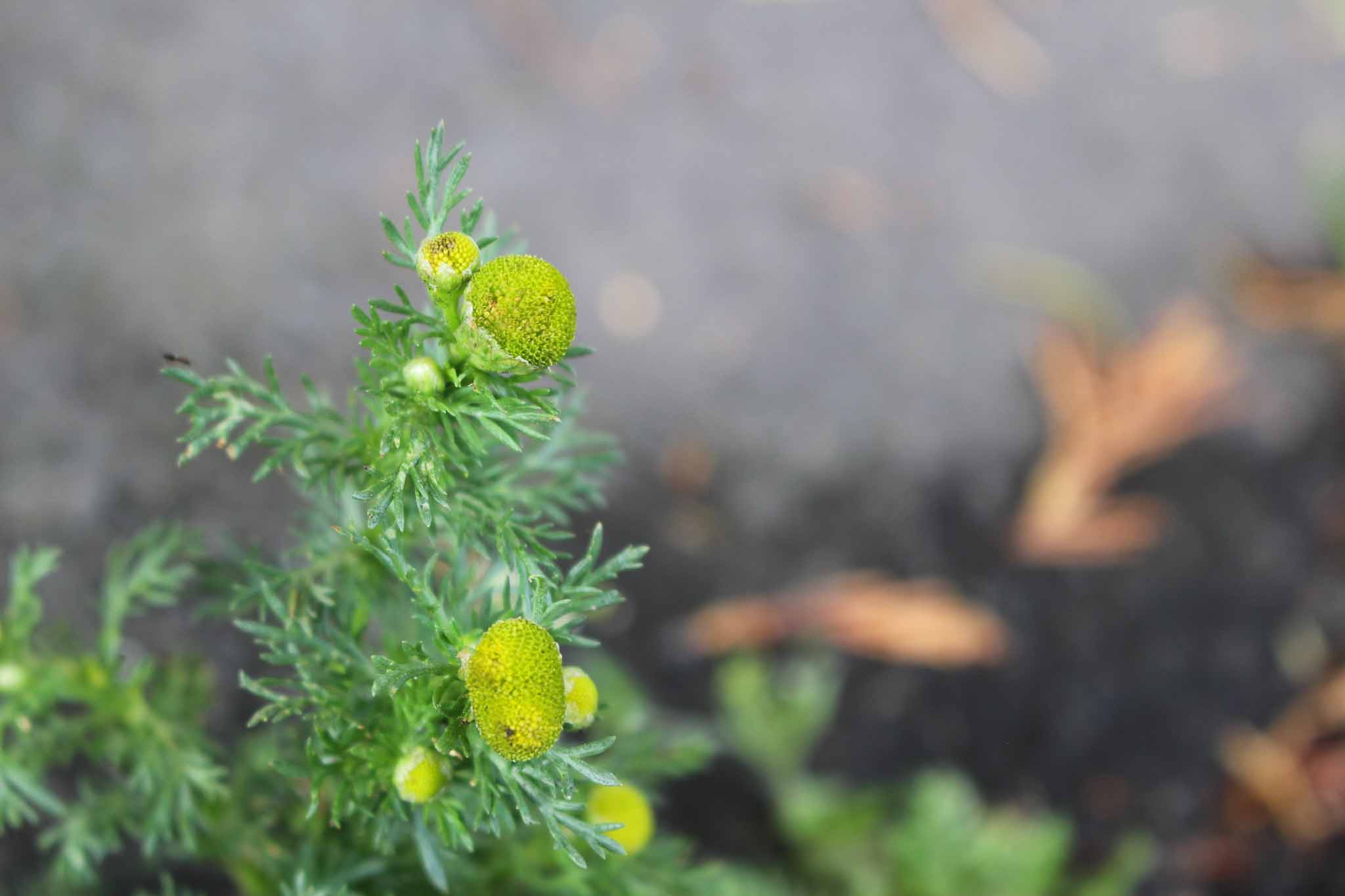
Hidden Plant Species:
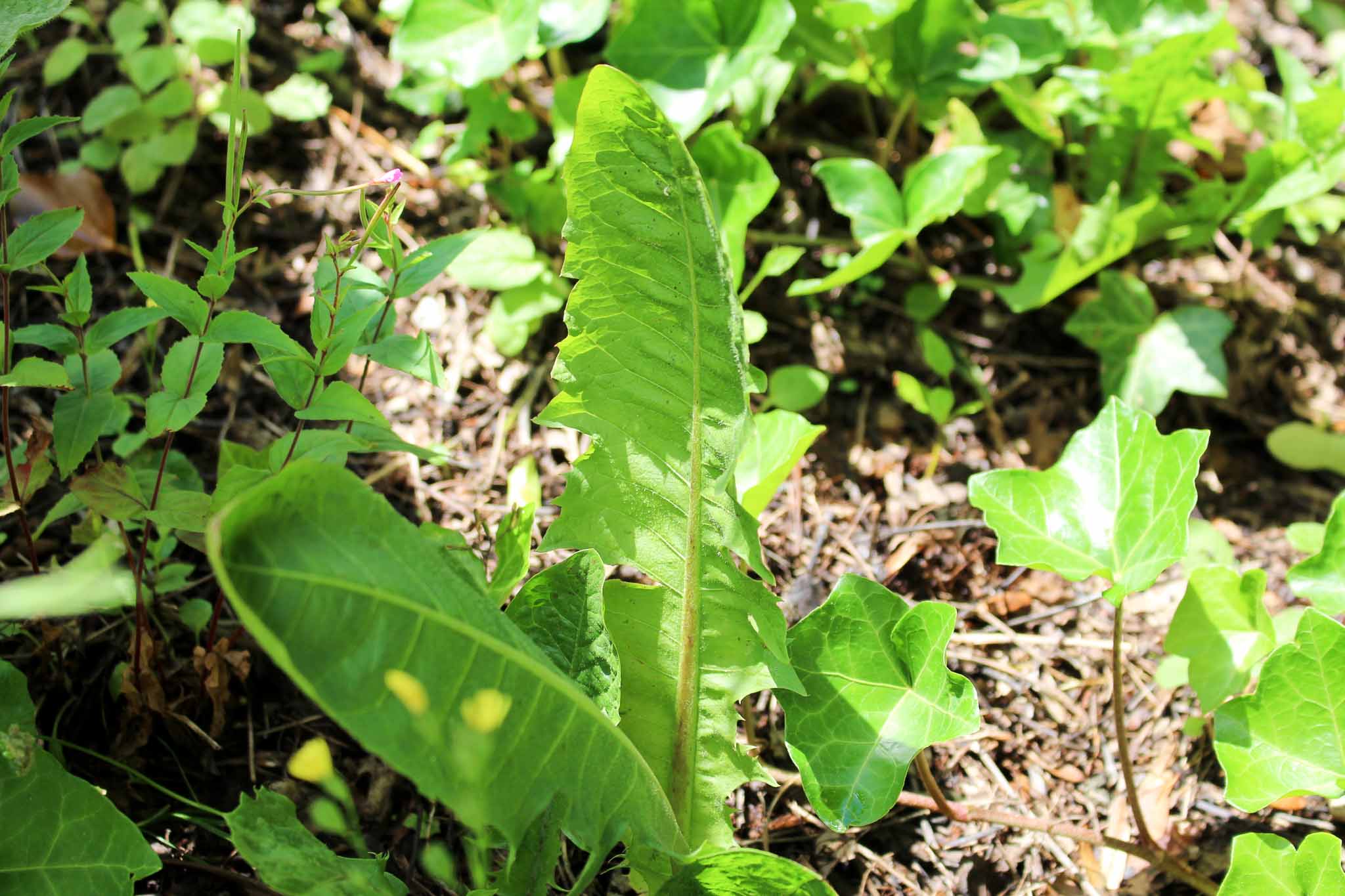
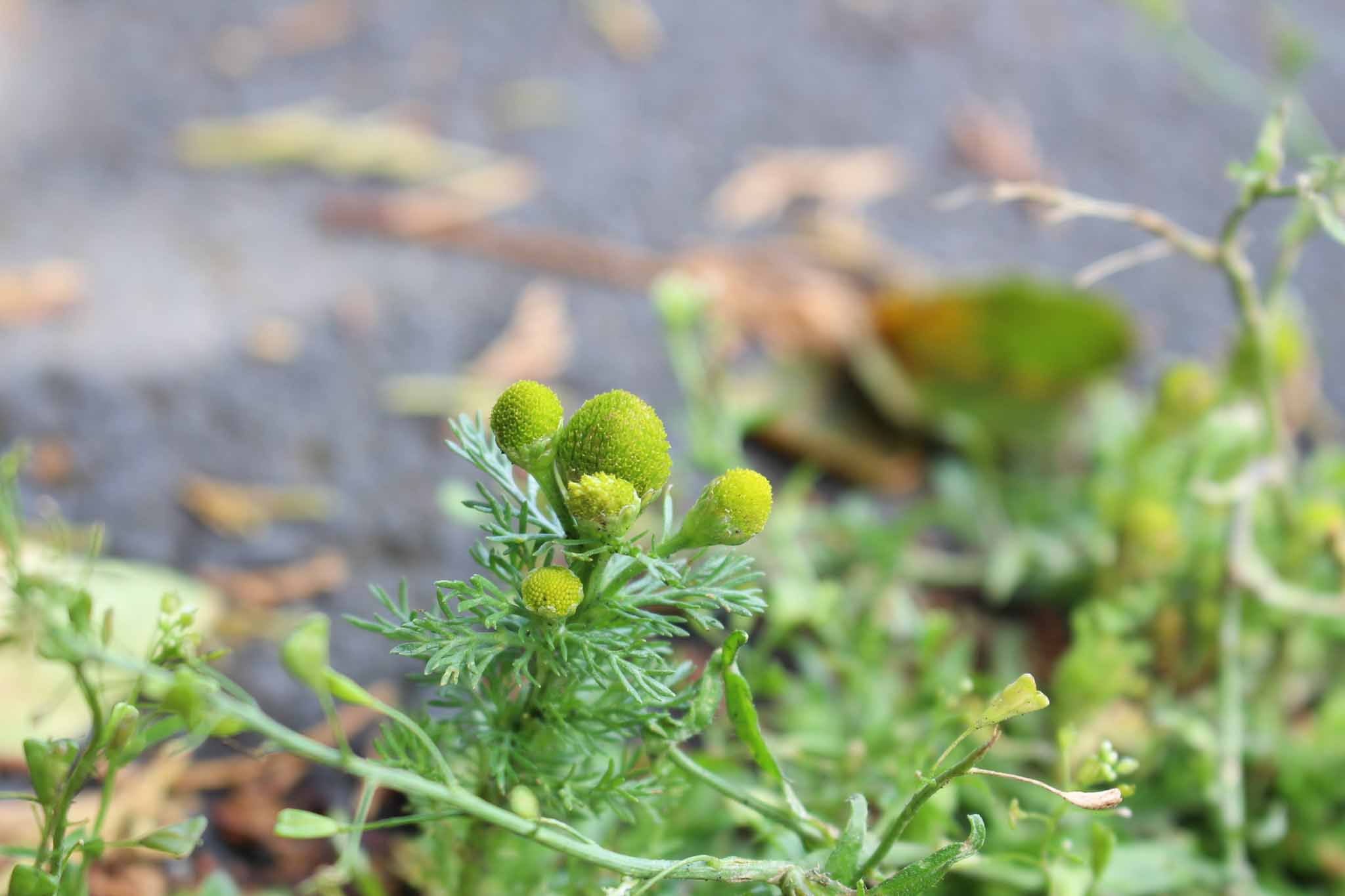
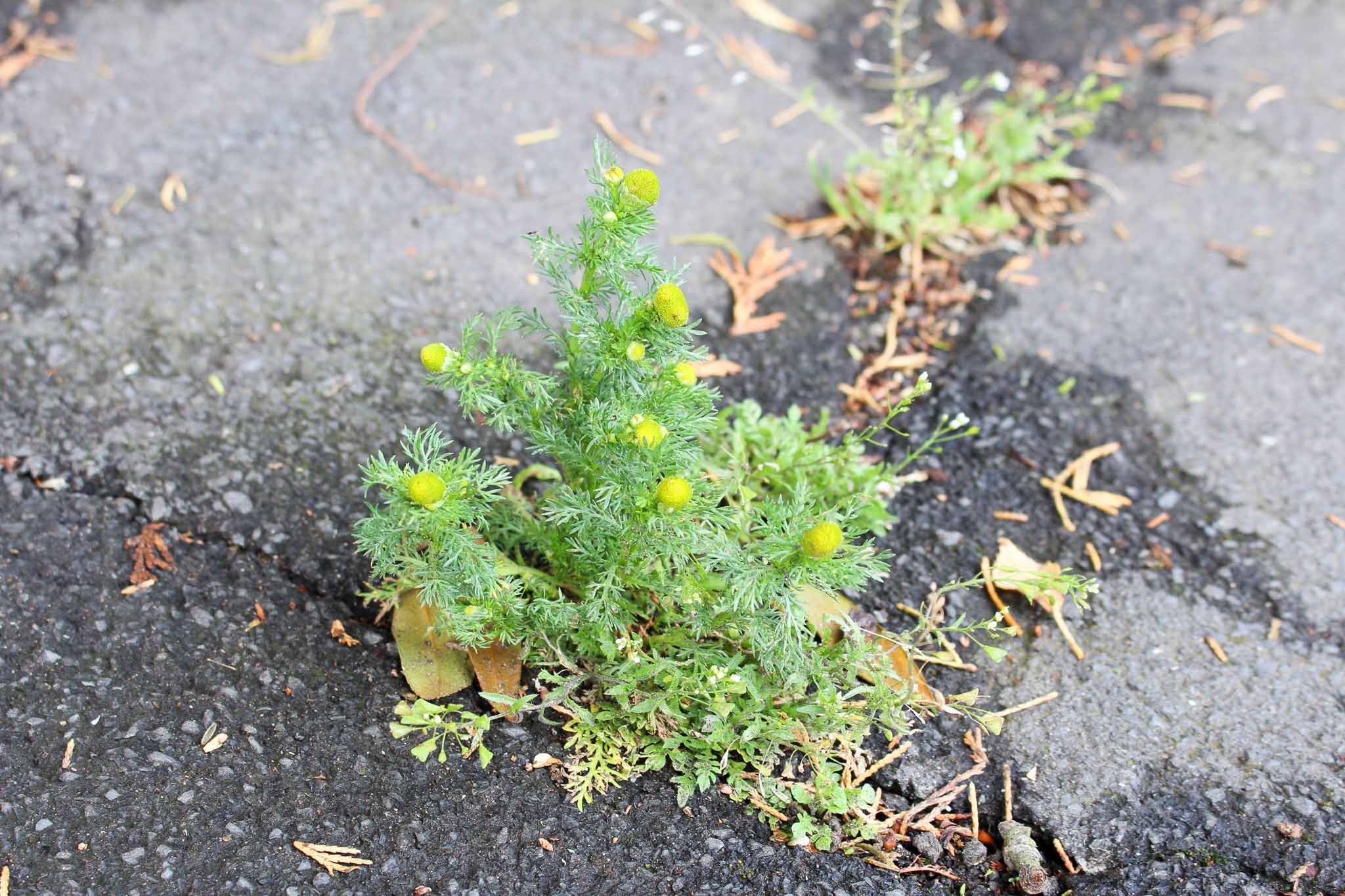
Interesting plant species such as chamomile and shepherd’s purse are in this context perceived as ‘weeds’, transcending through the tarmac roads and pavements. I love how they symbolise the tension between humanity’s aspiration for environmental order and nature’s will to survive. One idea for these images was to create an editorial design or info graphic referencing the historical uses, mythical meanings and representations of curb side urban plant species, exploring the hidden ancestral knowledge of nature.



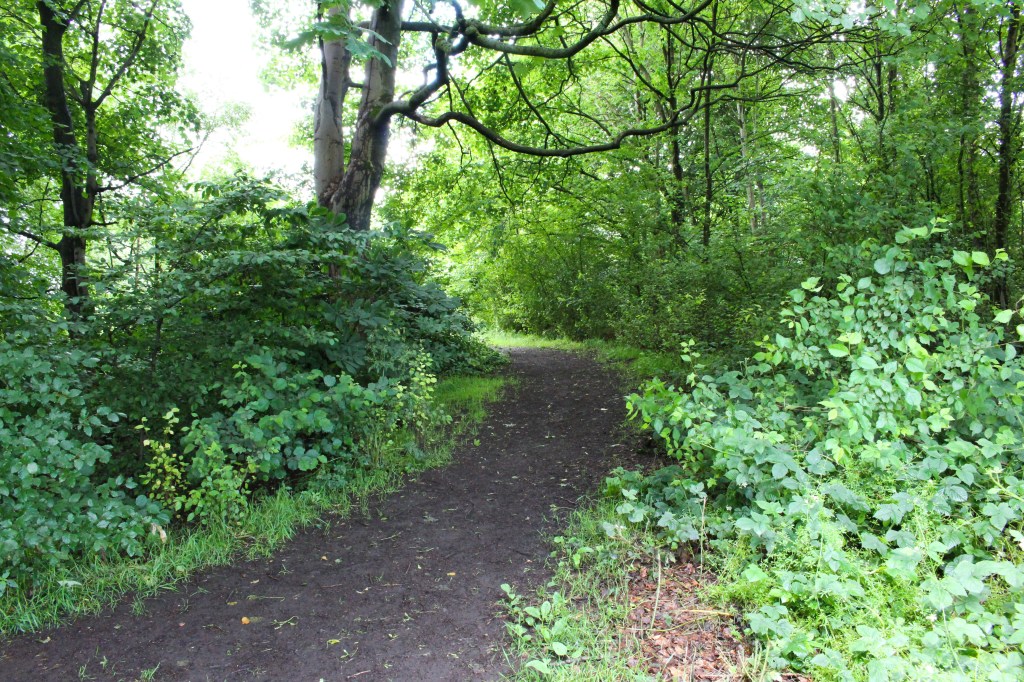
Hidden Pathways:


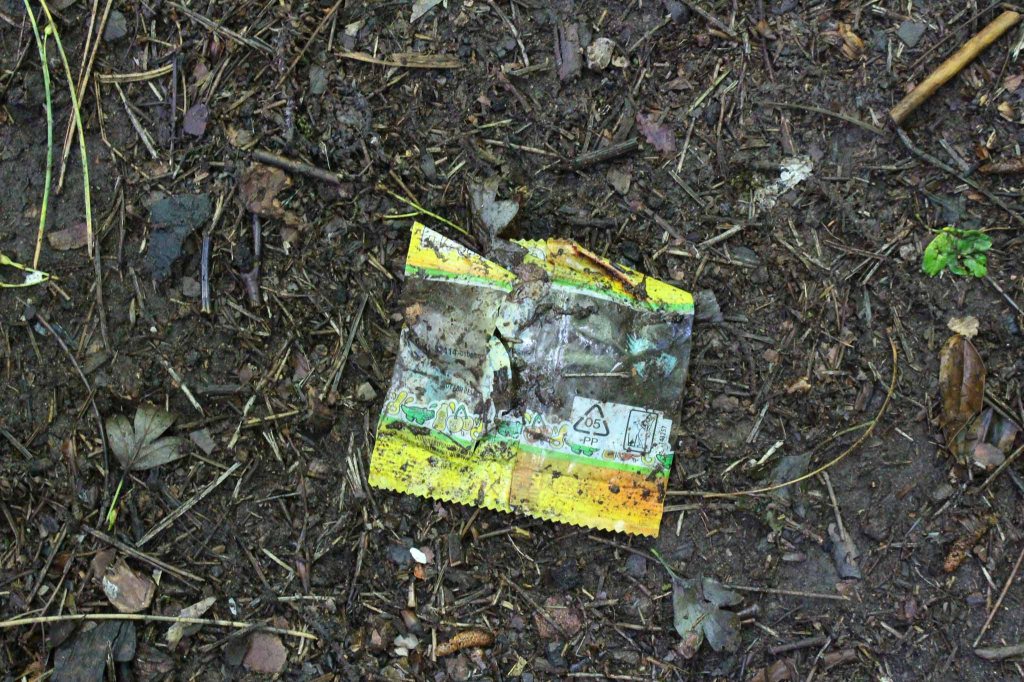
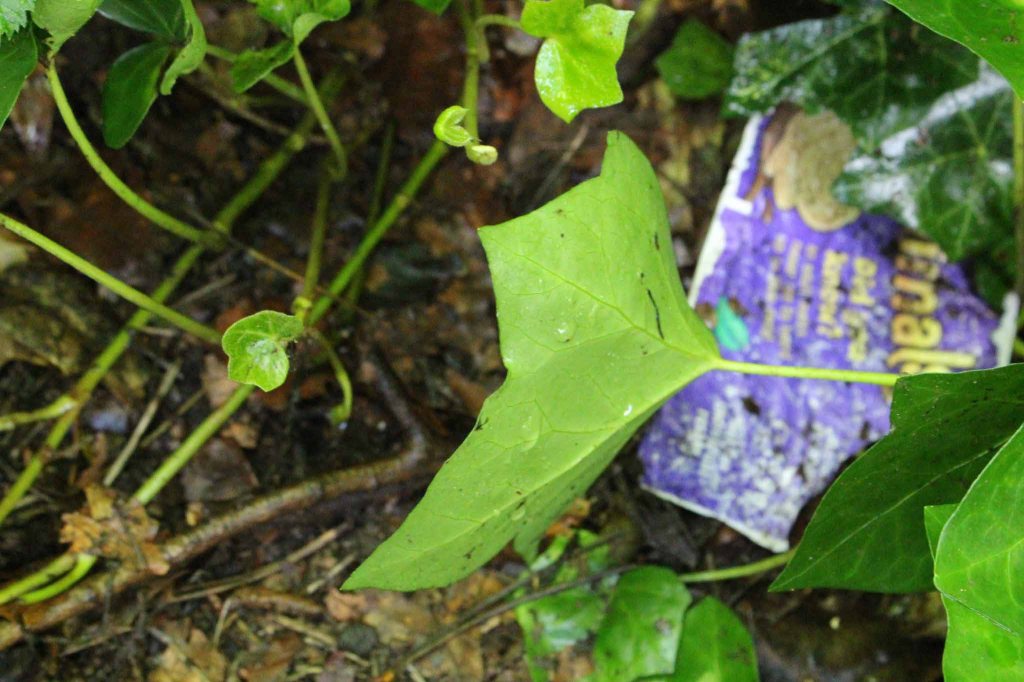
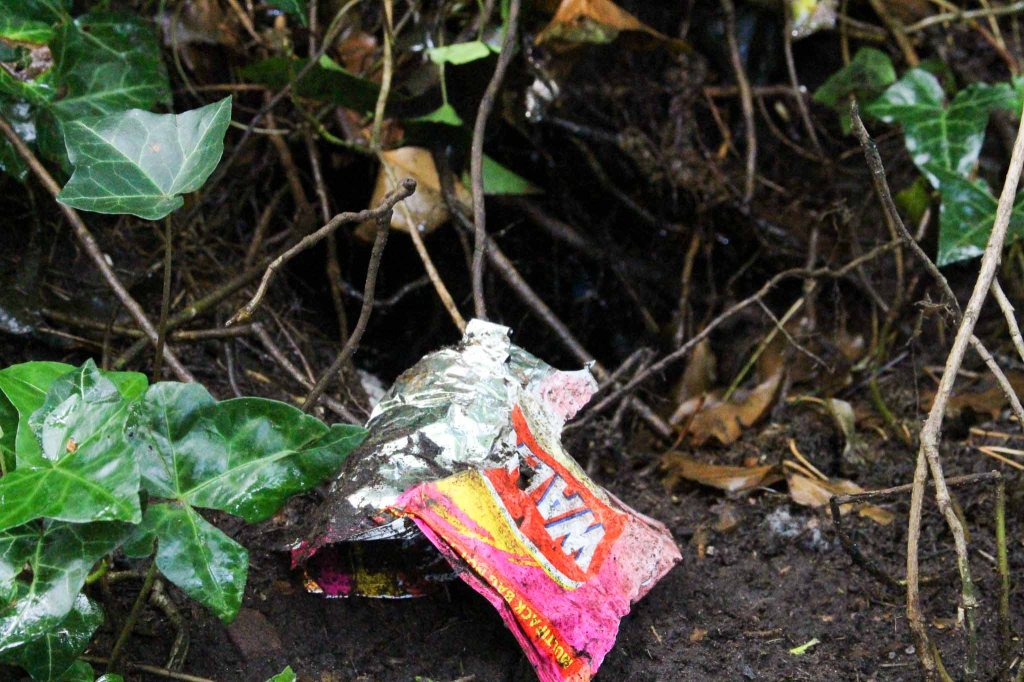
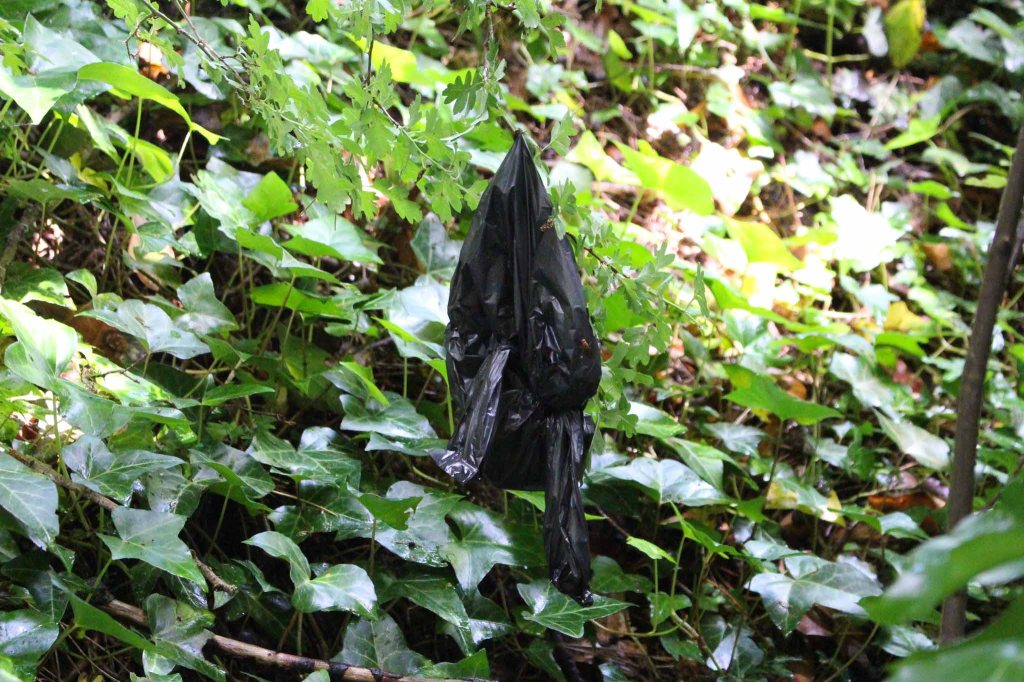
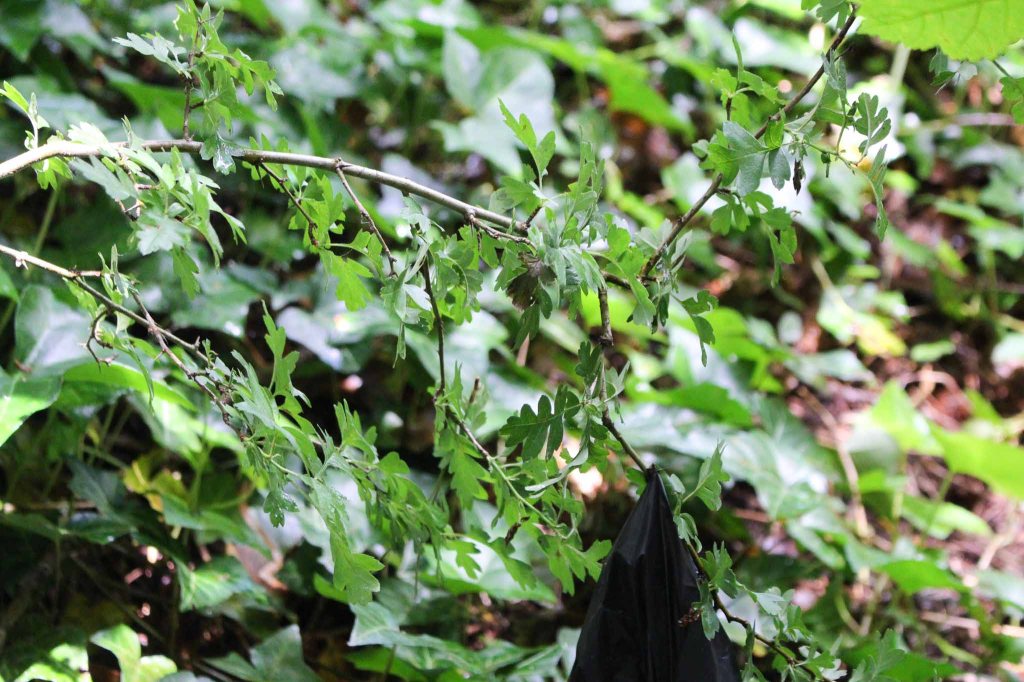
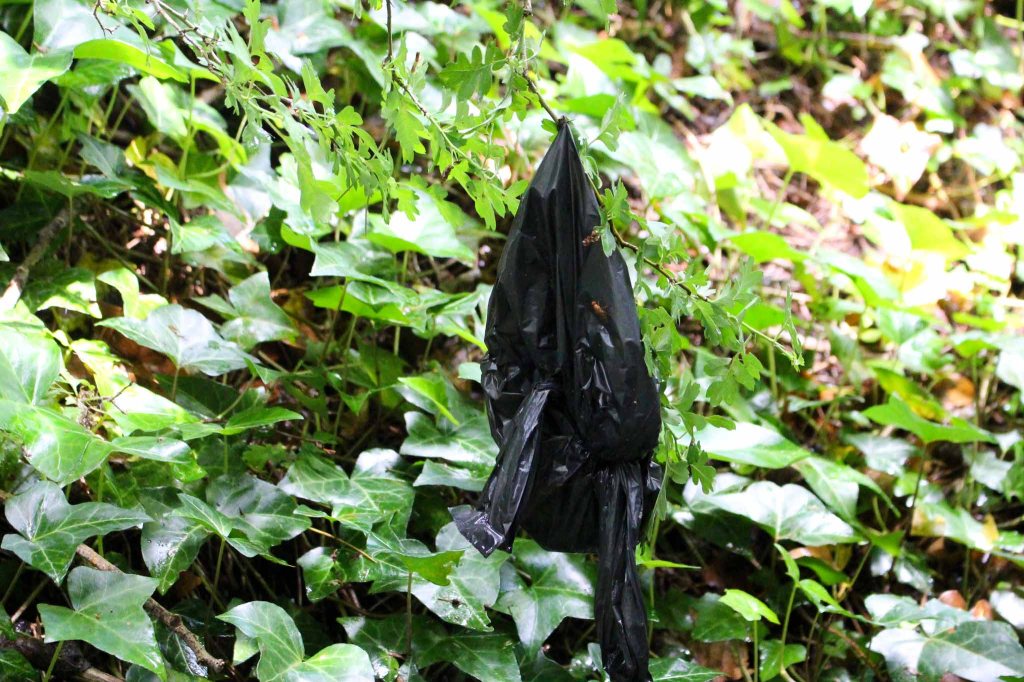
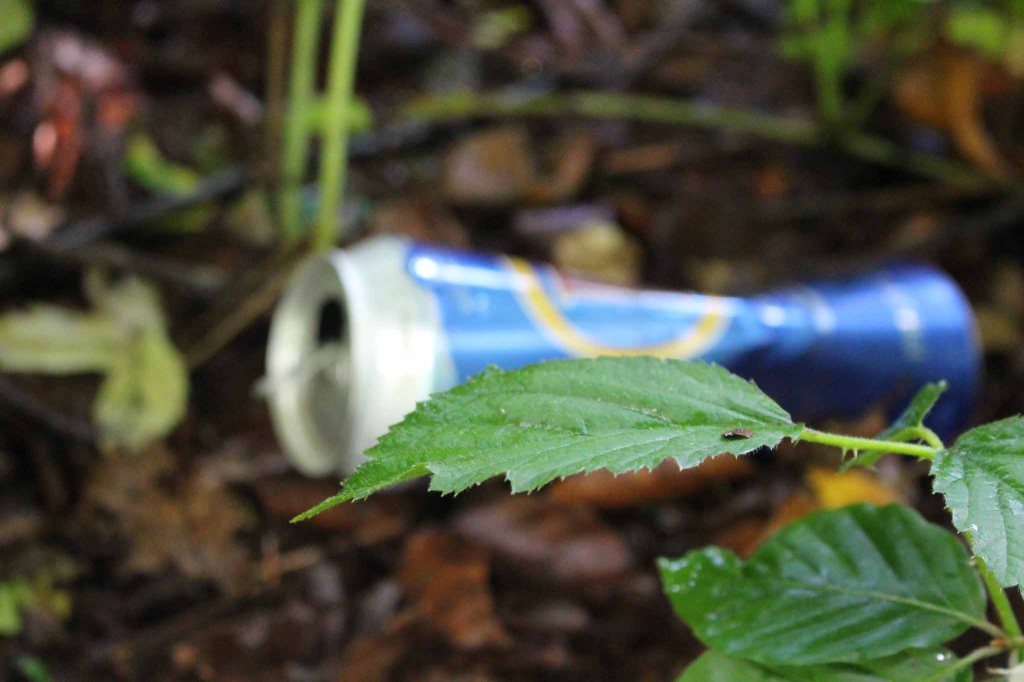
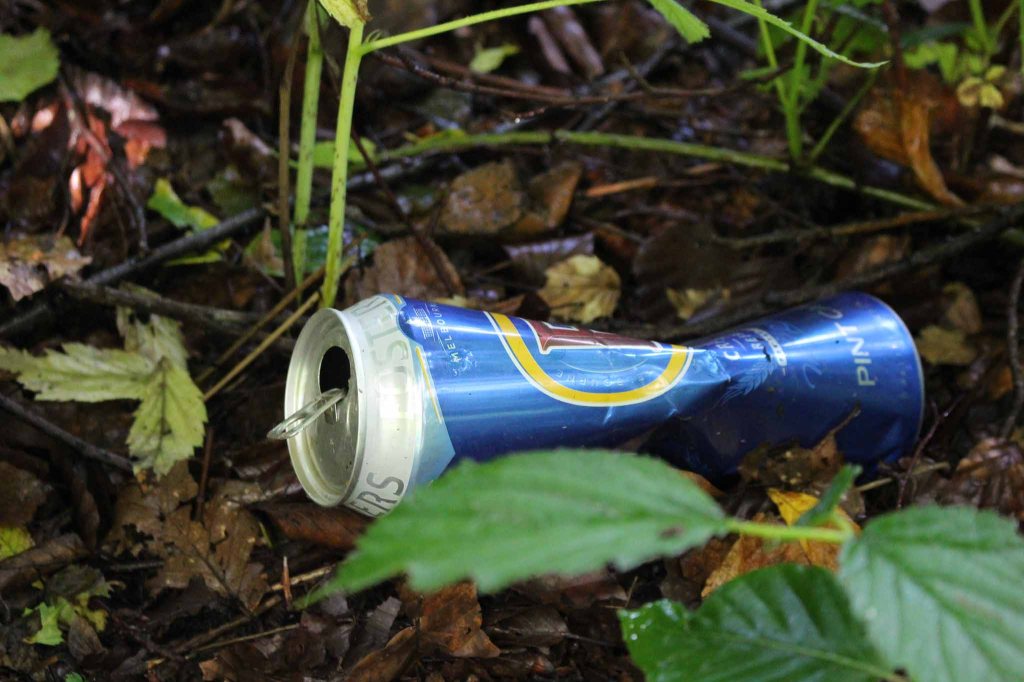
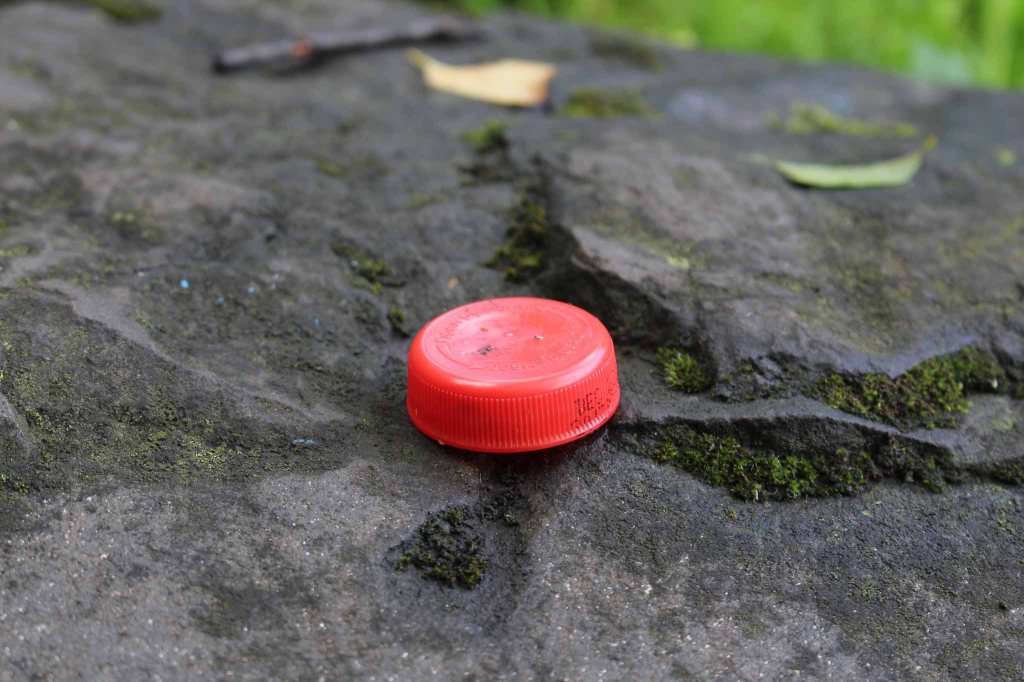
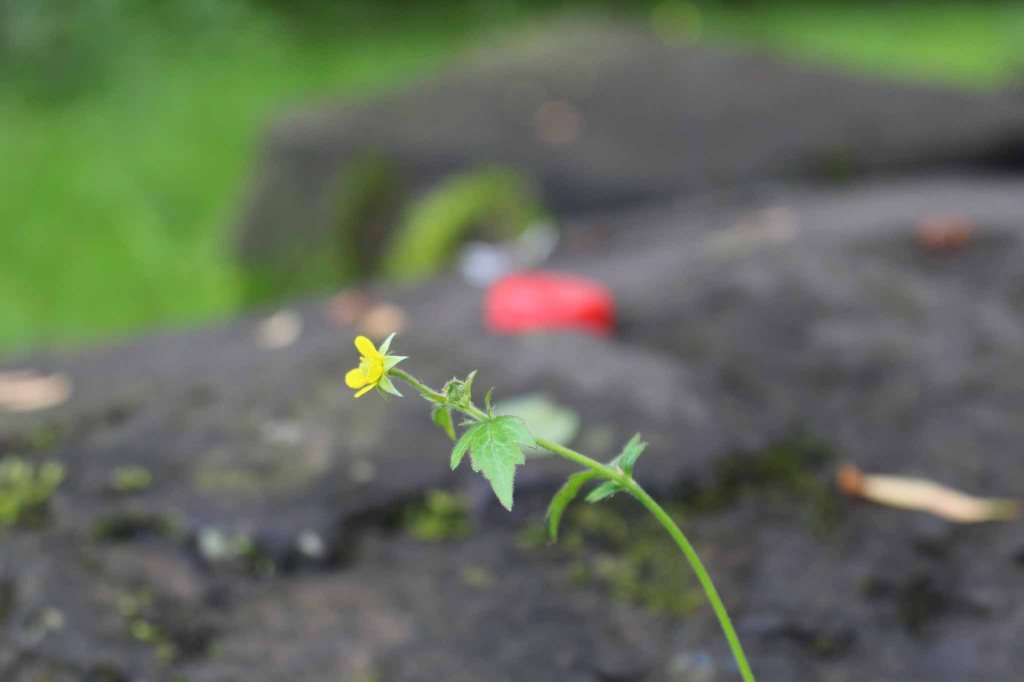
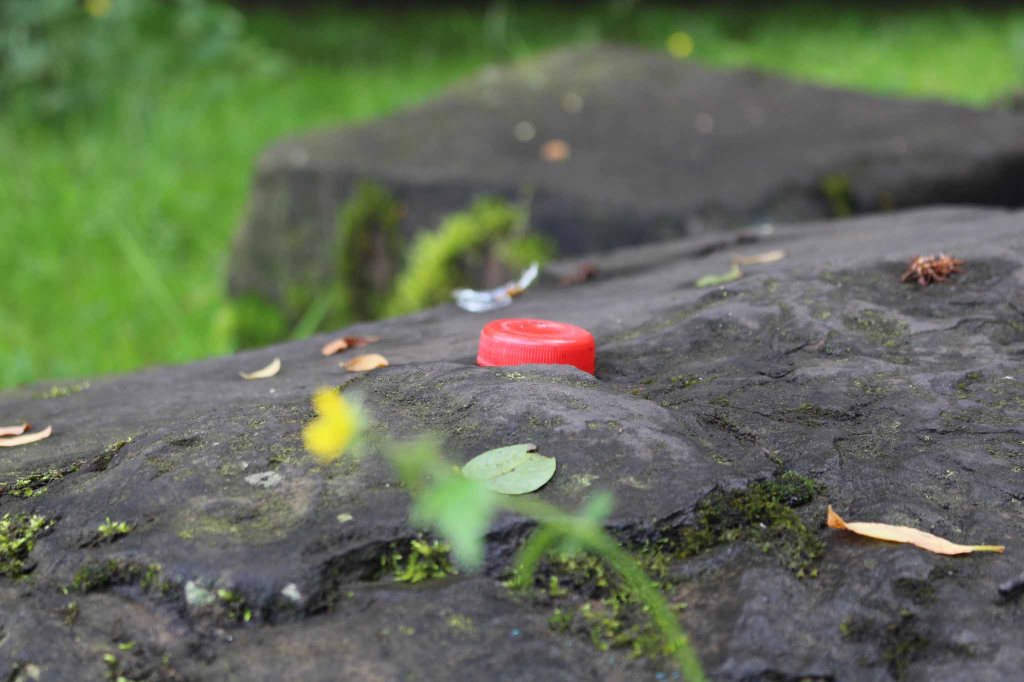
Litter in the Landscape:
Experimentation with photographic composition and depth of field to explore narratives behind products and packaging and its material influence on our local environment.








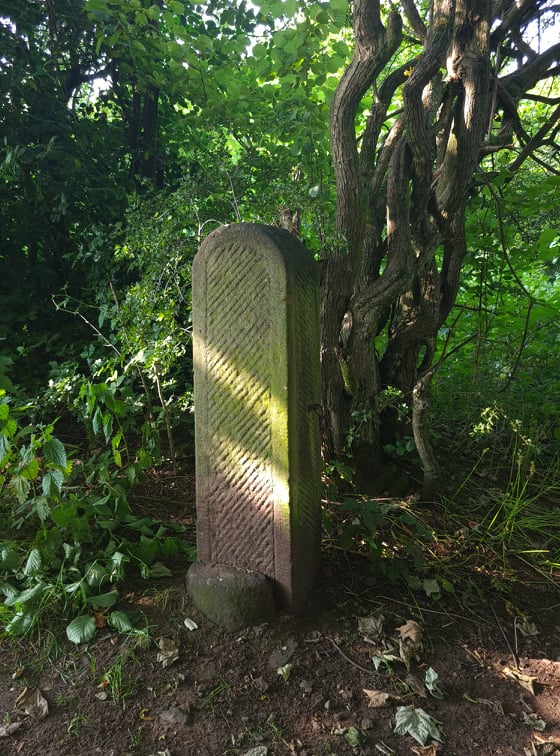
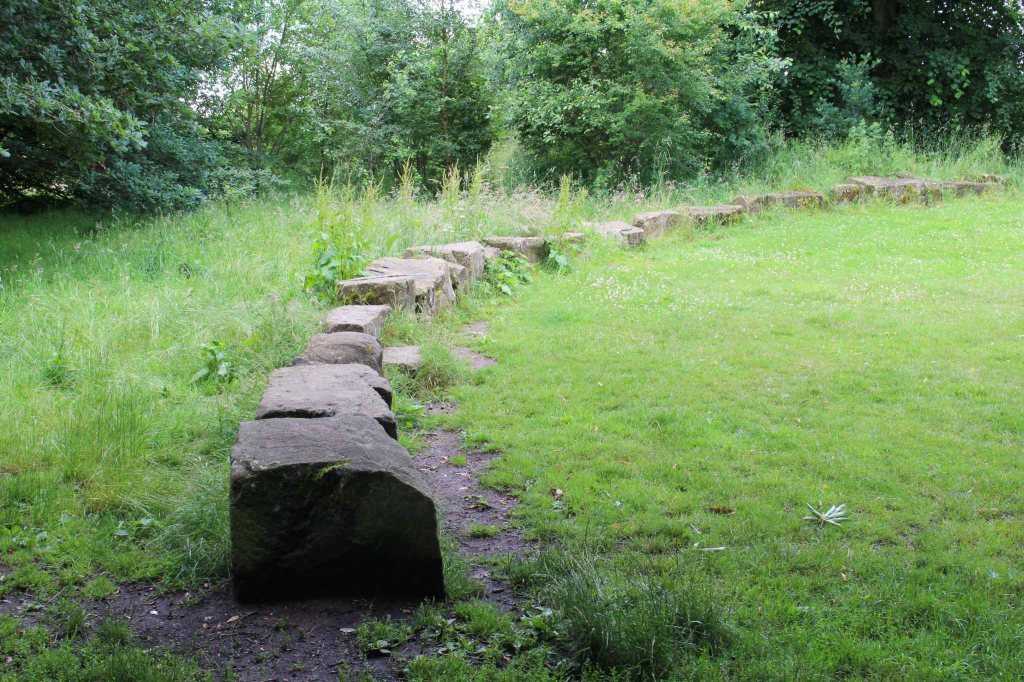
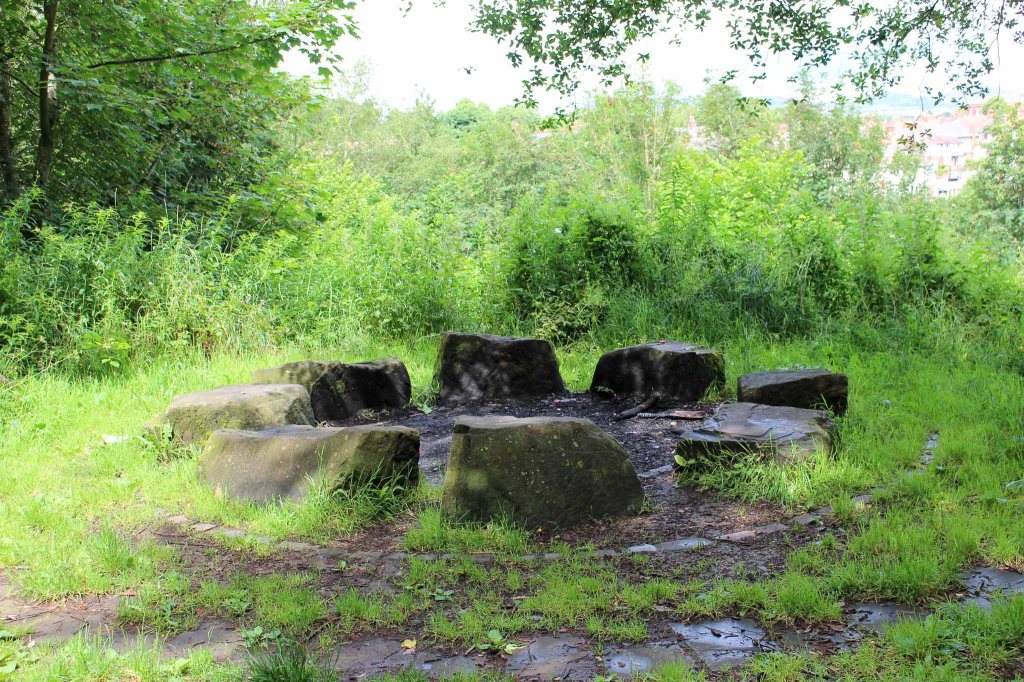
Historical Objects from the Unseen Past:
The woodland park at the back of my house has many remnants from an old Manor house that once existed on the land that is now my street, the surrounding shops, and the abandoned gas works which is now beautifully overgrown and home to badgers and foxes.
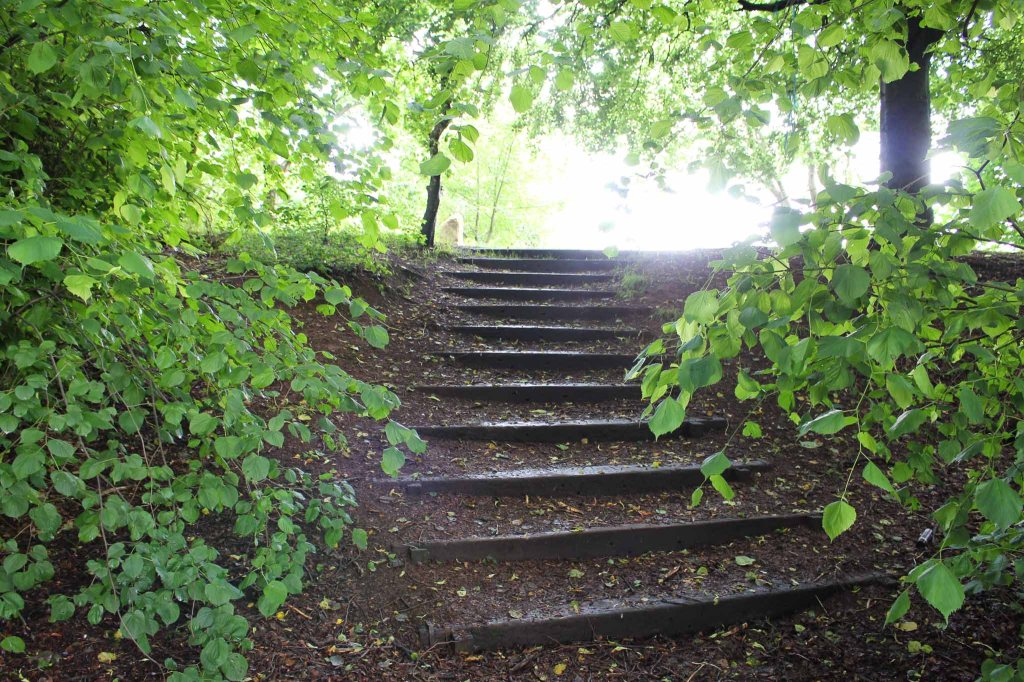


Additional Research
After conducting further formal research on the the history of the Woodcroft estate, demolished in 1935, I was able to make connections between the overgrown gas works, the woodland and the abandoned house covered in ivy. I now feel more connected to the geographical history of my street and find the overgrown gas works even more poetic as they are situated where the gates to the house were. Littered with fox ad badger sets, it feels quite a mystical, enchanted place, steeped in history.
https://www.stokesentinel.co.uk/news/history/after-century-away-pictures-original-878775

Additional Research:
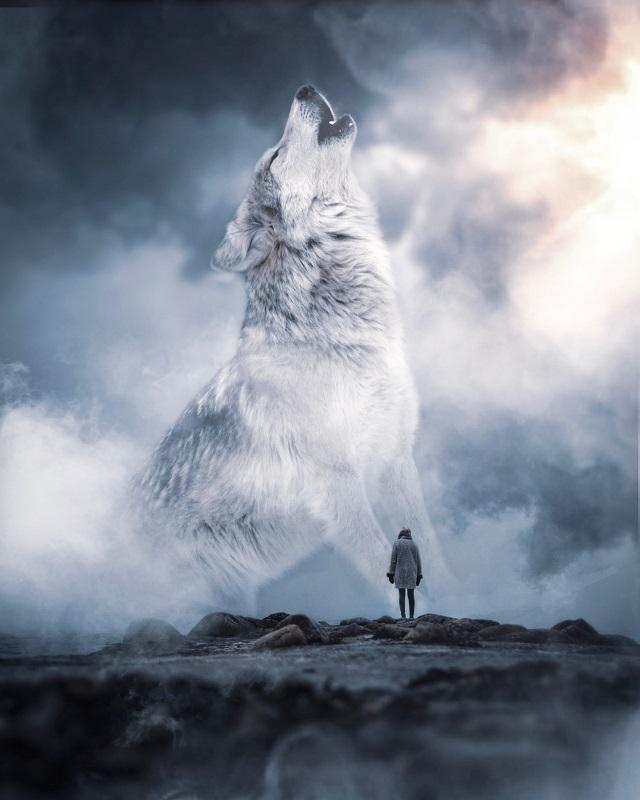
Photographer and digital manipulation artist, Eben McCrimmon, uses scale, perspective and context to create surreal and emotive images which communicate underlying themes of humanity’s relationship with nature.



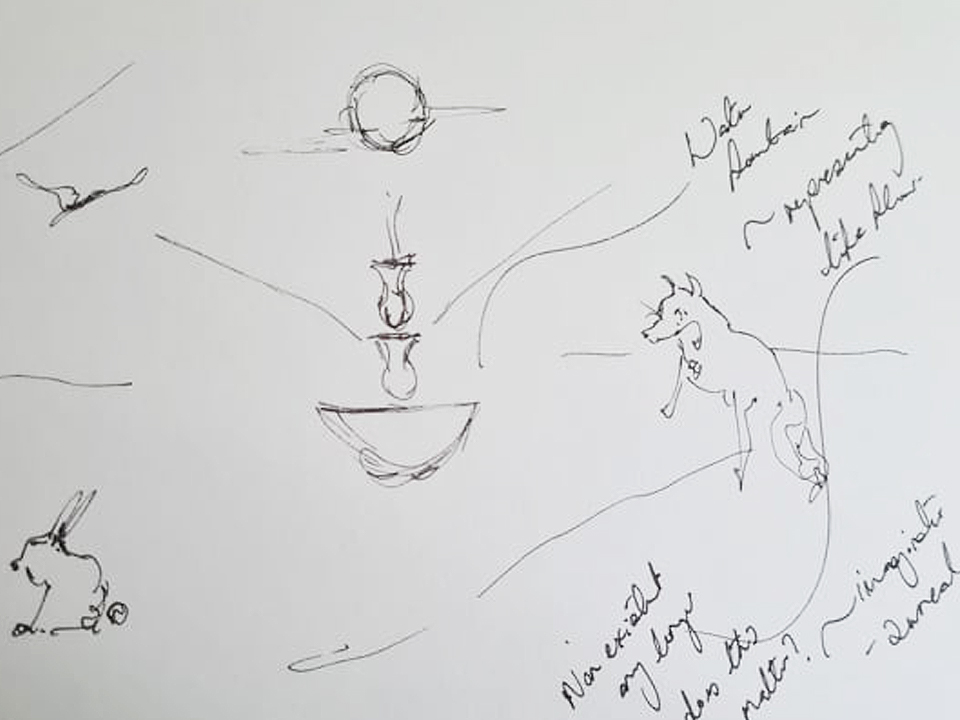
Idea generation:

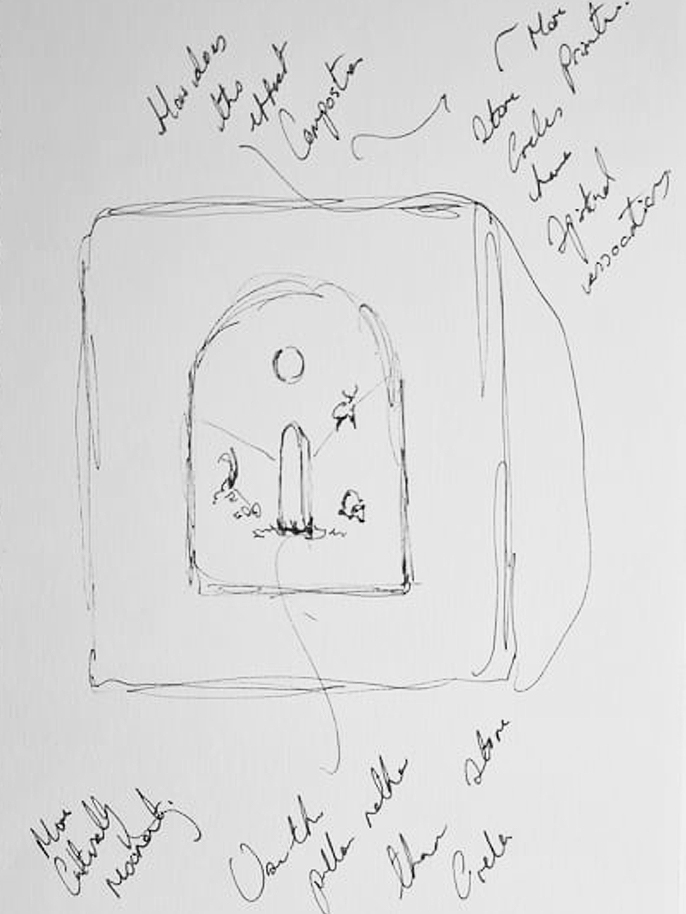
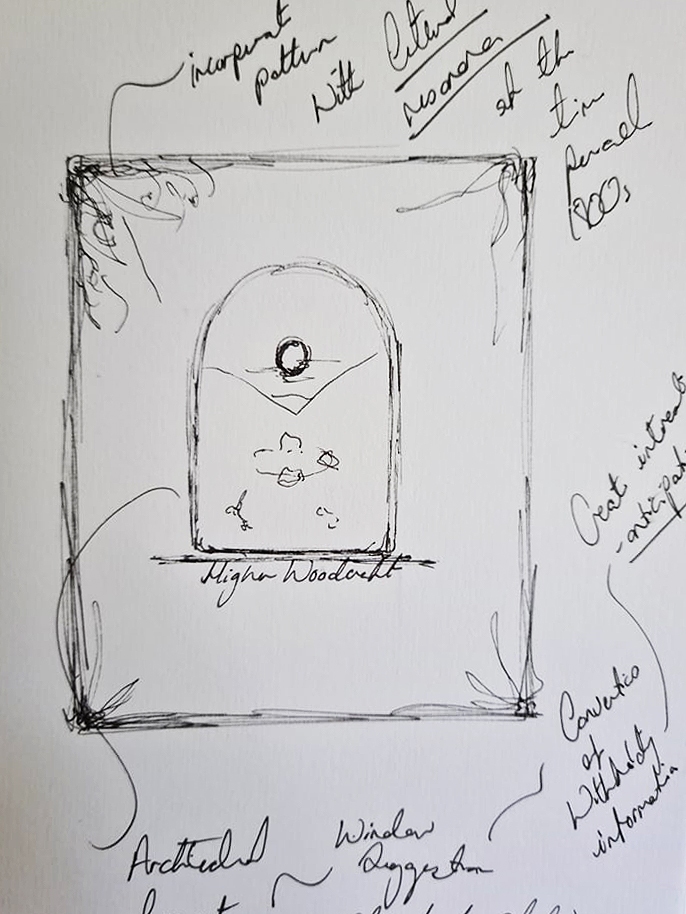
Outcome 1:

Critical Reflection
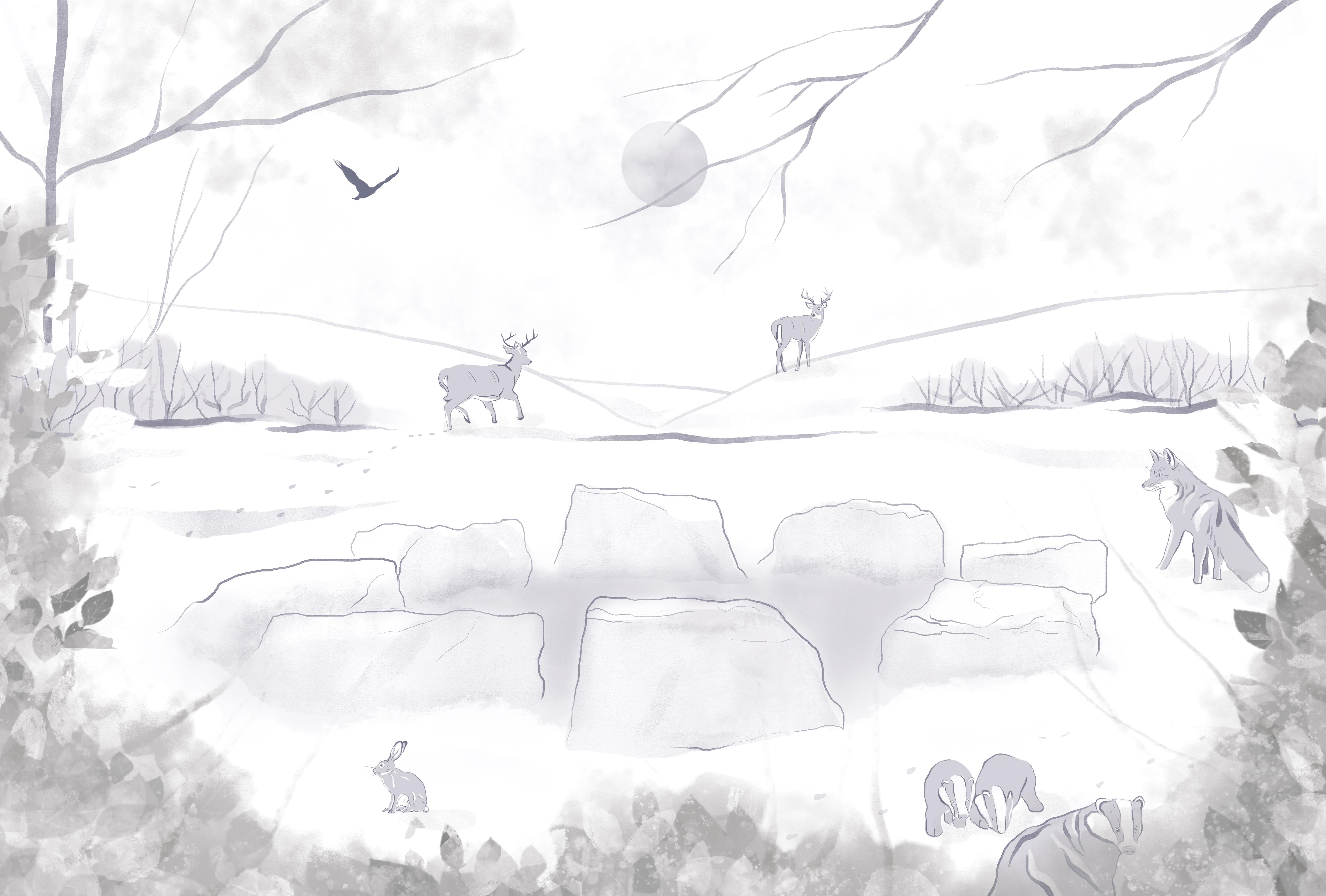
In this design, I wanted to create an illustration that represents my feelings of mysticism and wander regarding my location, inspired by the architectural remnants of Woodcroft House, and the wildlife that has reclaimed its grounds after it was demolished in 1935. Specifically I wanted to render the nocturnal species that I found evidence of during my research, in physical relationship with Woodcroft’s house’s remnants in order to communicate the overarching themes of place, time, decay, nature and renewal.
I was interested in the idea of representing the house in it’s 19th century glory, inspired by the images found in my research, however I wasn’t sure how this would effect the narrative, as the wildlife only exist in the houses absence. Therefore I experimented with ways of including a sense of cultural resonance without including it a literal sense, for example in through the architectural arch window geometric shape. If I had more time to develop this idea I would persevere with ornate features and patterns which might make this idea work. I used a monochromatic palette to create an ethereal ghostly sense of past, however I experimented with colour as I felt that it looked a bit washed out.
Development

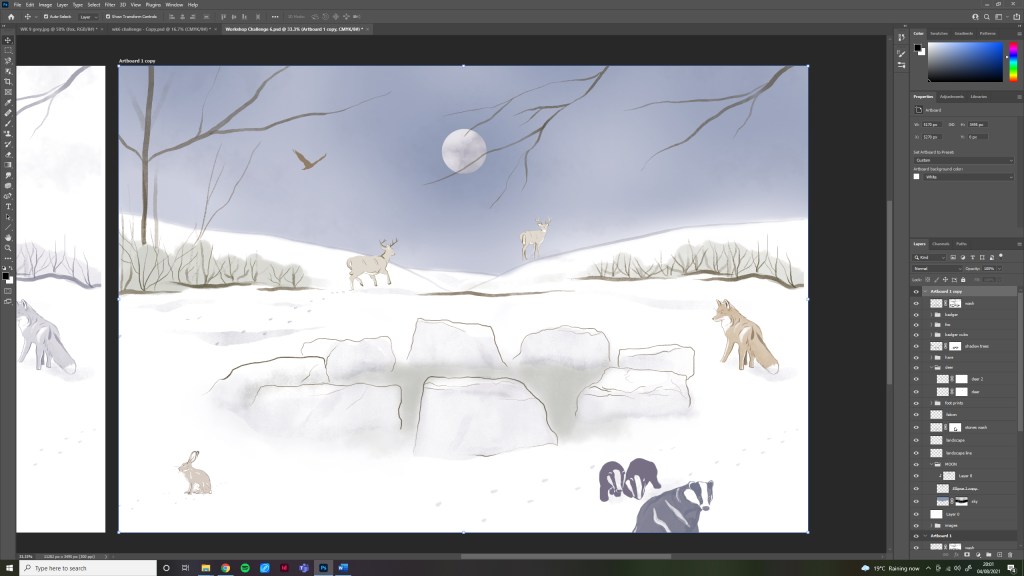
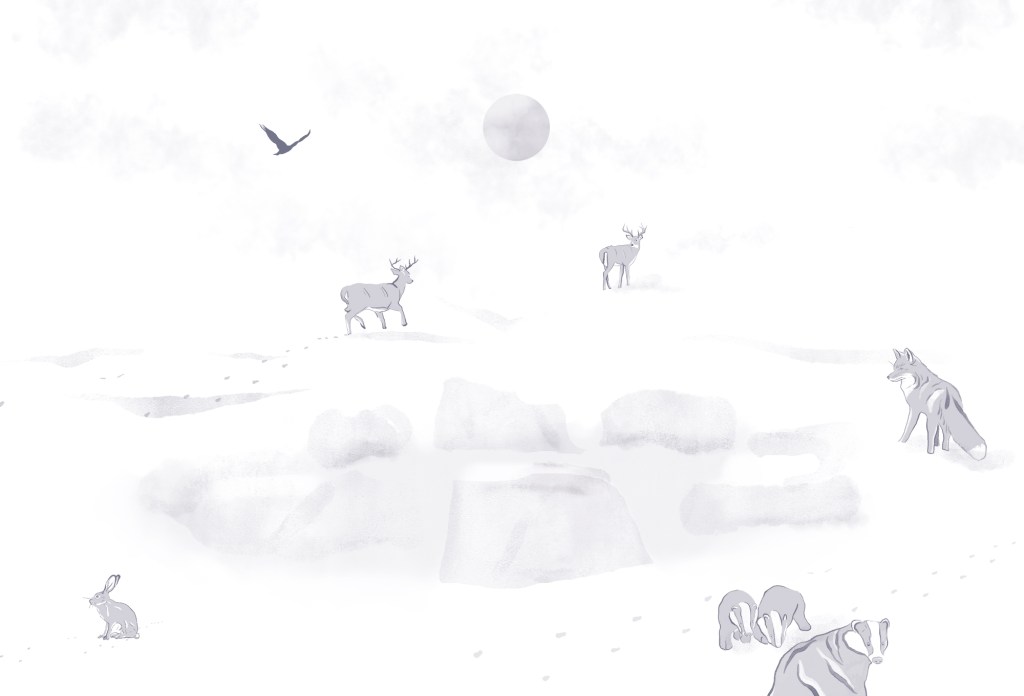

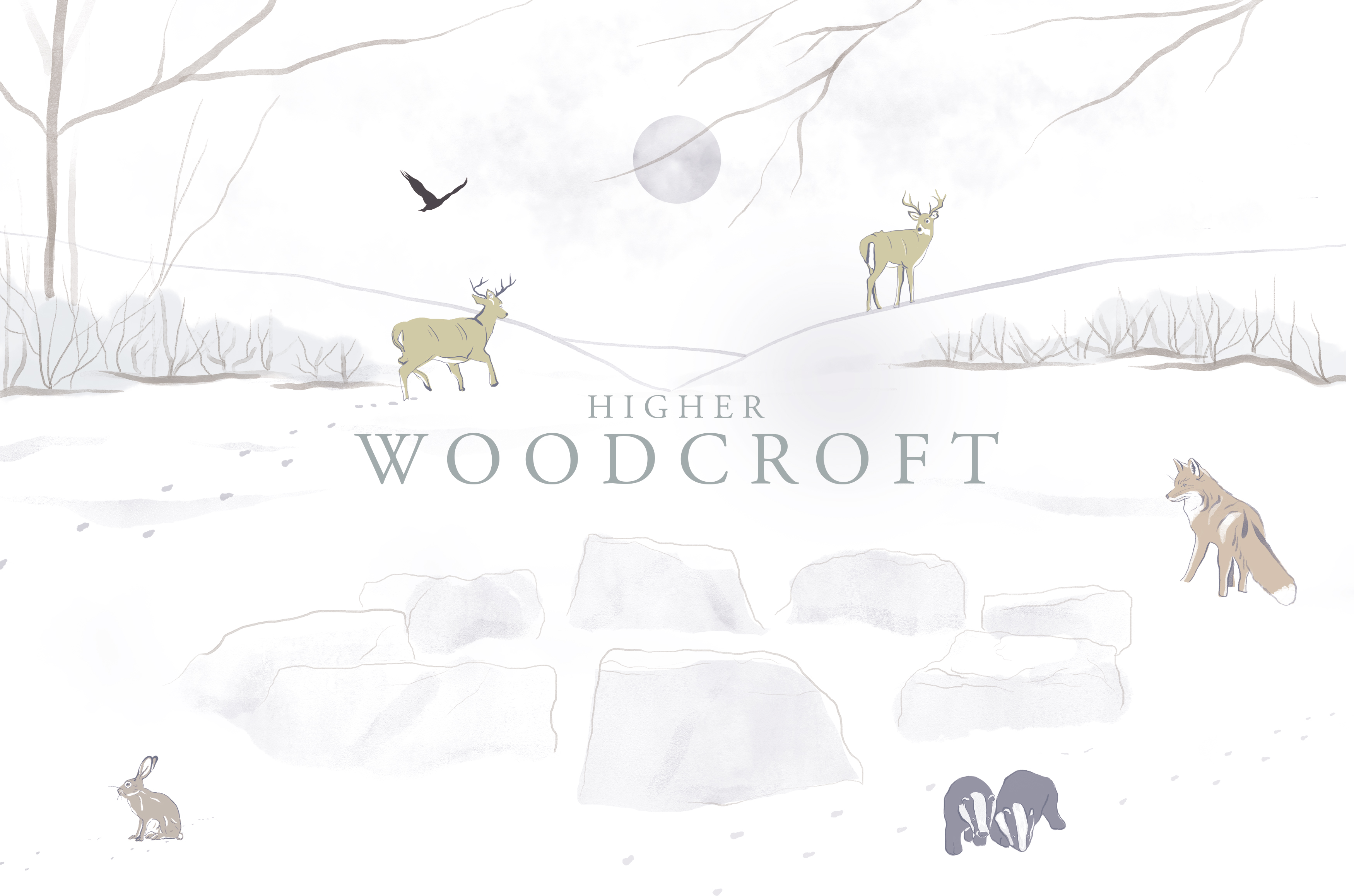
After experimenting with coloured versions of the design I decided that it lost the ethereal quality that worked in the first version. Even though the coloured version had potential, it felt a bit more like an editorial spread for a children’s book rather than an illustrative art piece with considered theoretical subtext. On a technical level, this project has encouraged me to explore digital painting and illustration in more depth. It has also sparked a curiosity in colour theory and and its technical application of digital palettes.
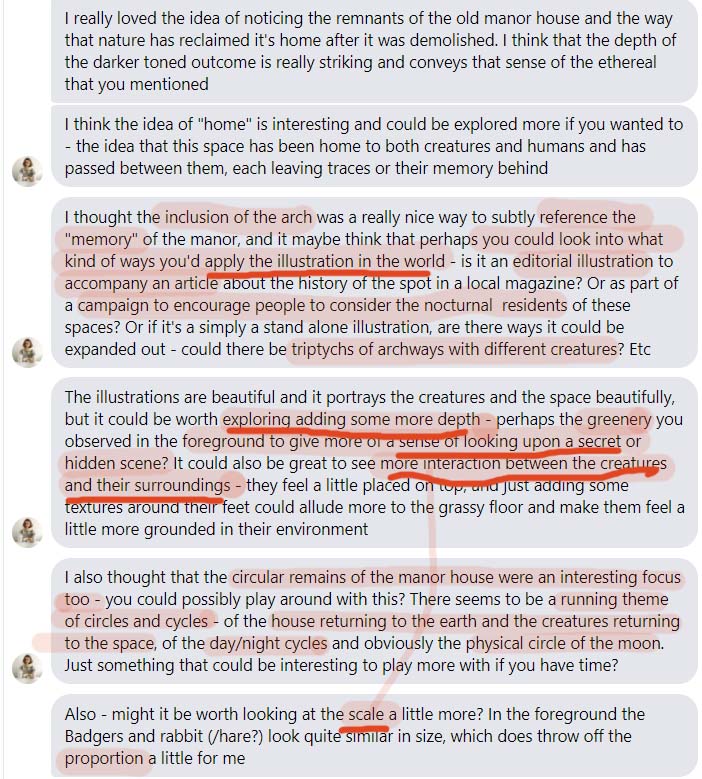
Feedback: Annie Dornan Smith, BA Graphic Design and Illustration
Further Development

Final Outcome
Evaluation
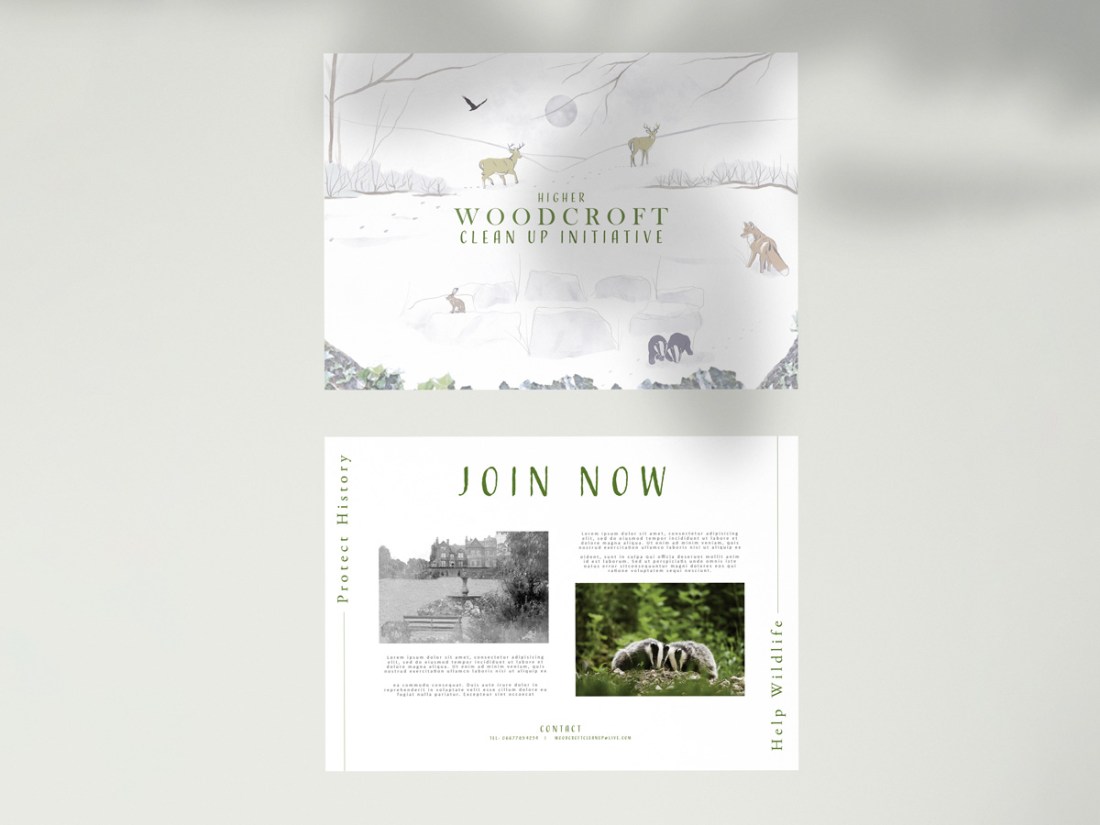
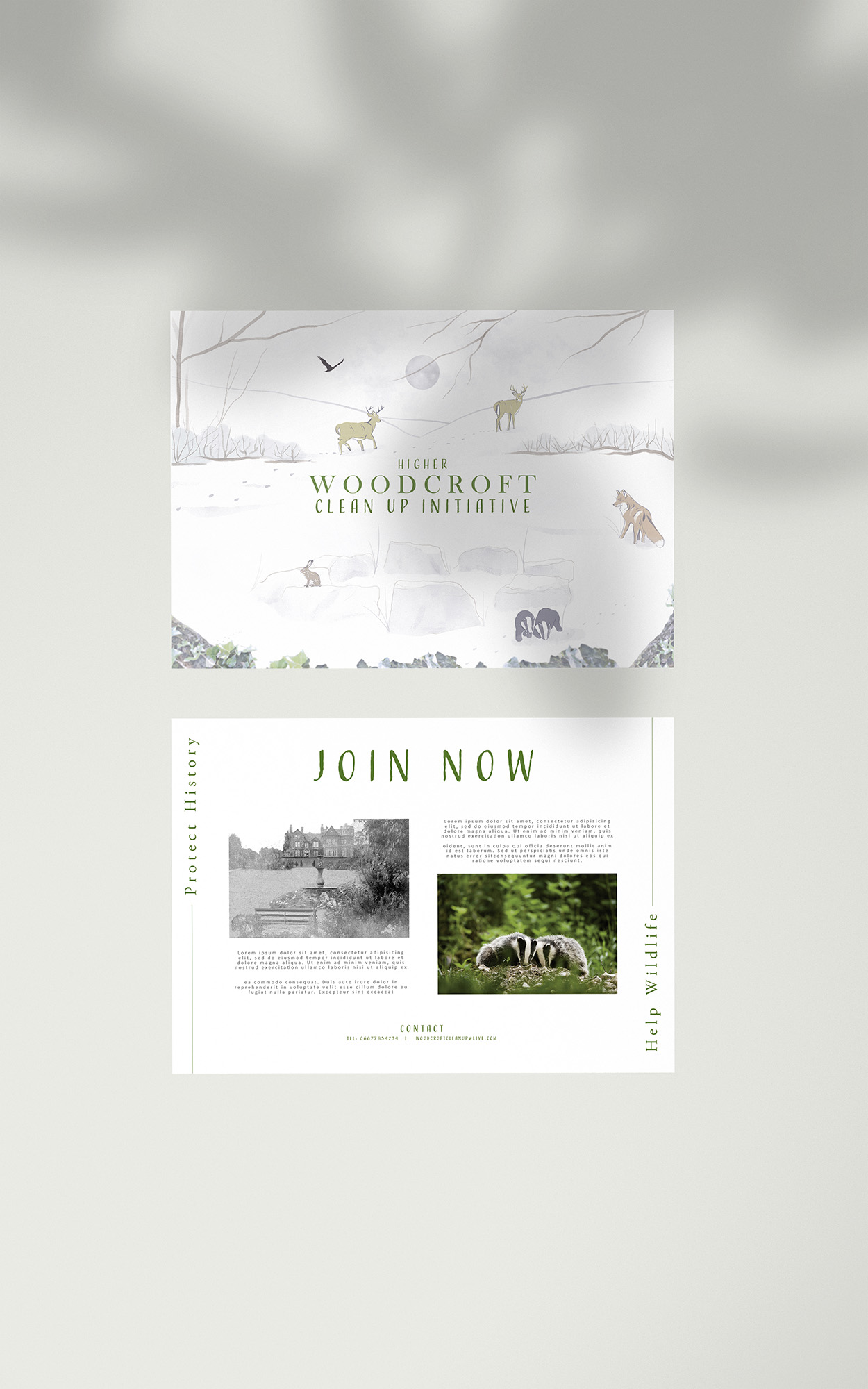
Following Annie’s feedback, I reflected on potential contexts for the design. Considering broader themes of place, time and regeneration, I thought that a local clean up initiative would be a meaningful real world application for the illustration as it acknowledges the social and ecological issue of pollution and threat to wildlife habitats as the importance of preserving and understanding local heritage. Although this concept was a rewarding solution, aesthetically I would have liked more time to develop a comprehensive campaign with additional graphic features such as logo marks and branding guidelines for a local group or organisation. Despite implementing a playful family/ child friendly typeface to balance the historical resonance of the original serif Baskerville type, I feel that the font pairing needs further consideration.
Further Development
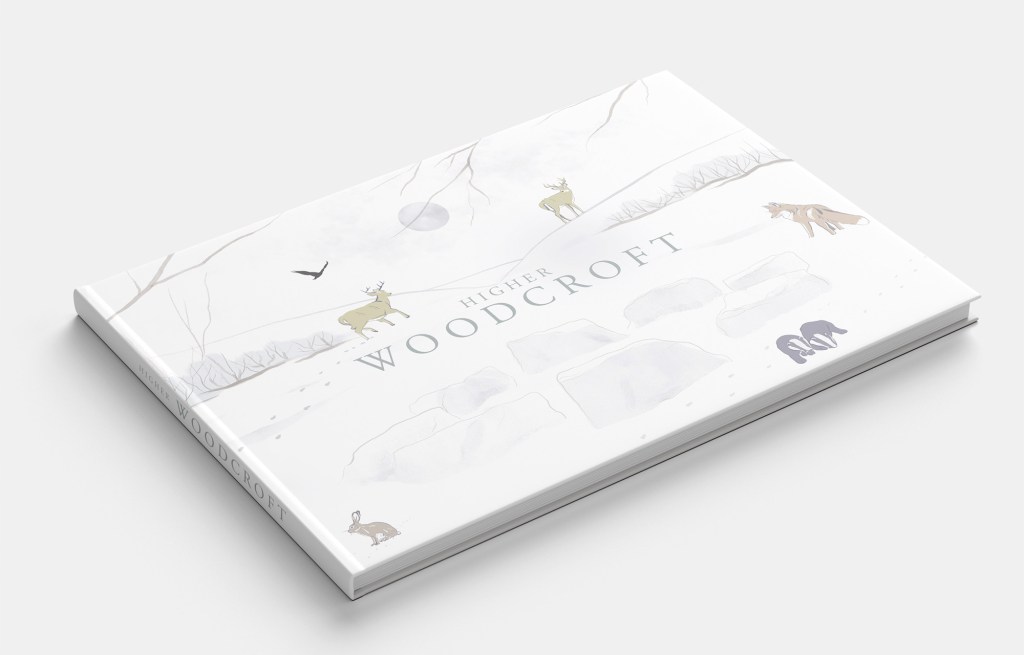
Annie’s positive feedback on the dark geometric archway idea stimulated further reflection on how various aspects of the design could be developed into a hanging printed artwork or editorial design. Although I did try to explore this idea, my technical approach of digital illustration in photoshop layers became too time consuming and complex to execute under the limitations of the weekly brief. In the future, I would like to develop my skills in digital painting in order to develop this idea into an illustrated story or poetry book, using the archways as chapter openings to introduce individual animals characters.


 CATHY DAVIES